iOS 27 lets apps detect scams in real time
Apple’s iOS 27 lets apps detect scams in real time by analyzing conversation context for social engineering tactics. This proactive approach warns users before they lose money, addressing the limitati
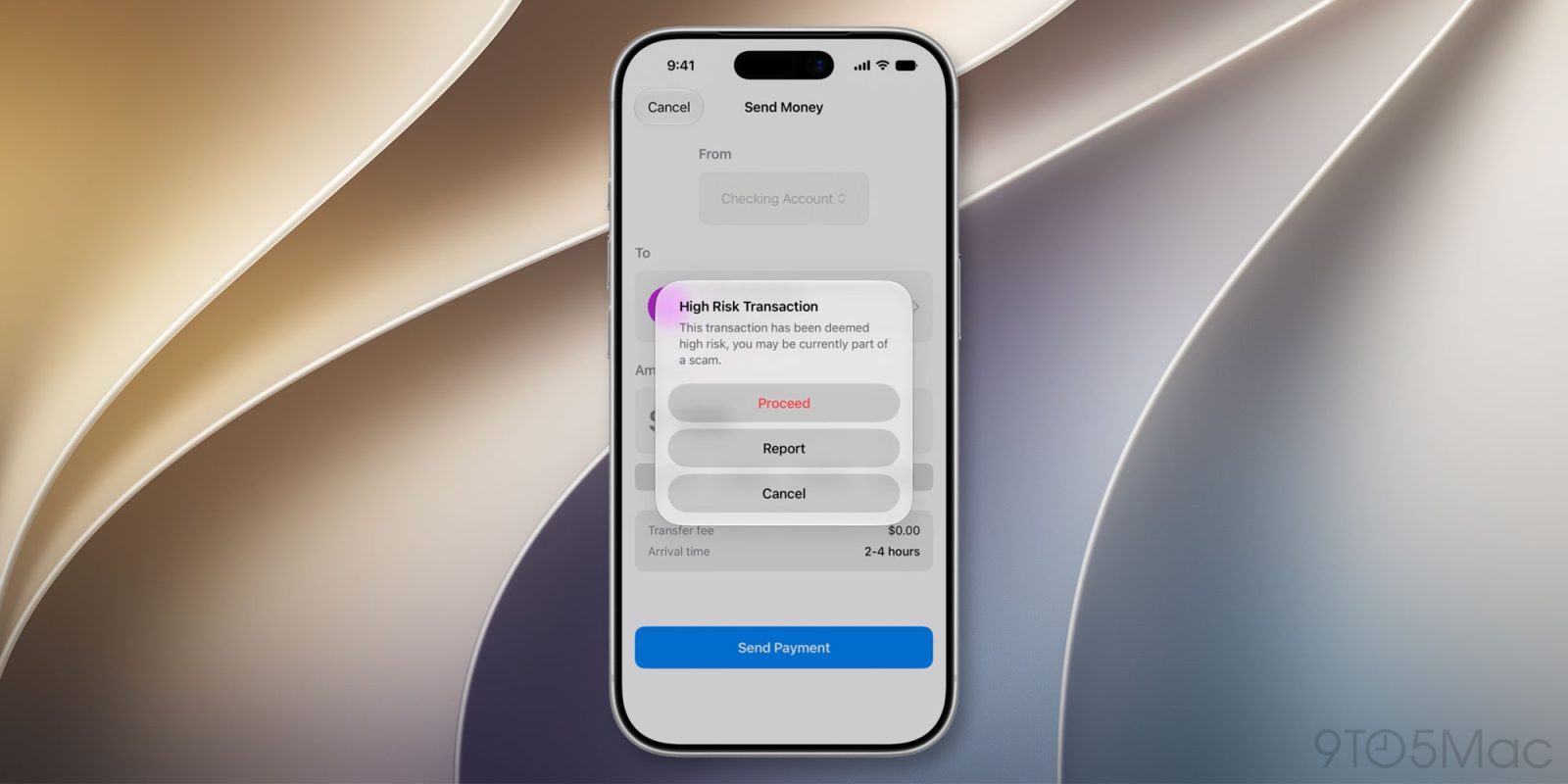
Apple is introducing a new security framework in iOS 27 that empowers messaging and communication apps to detect potential scams in real time. This sy
Read Full Story at 9to5Mac →Why This Matters
Apple’s move to embed real-time scam detection in iOS 27 represents a paradigm shift in how tech platforms engage with consumer protection—blurring the line between passive security measures and active intervention. By embedding these tools directly into third-party apps, Apple isn’t just fixing a vulnerability; it’s redefining the responsibility of digital ecosystems in preventing financial harm before it occurs.
Background Context
Social engineering scams have evolved from crude phishing emails to sophisticated, context-aware attacks that exploit real-time conversations—often mimicking trusted contacts or urgent financial alerts. Despite billions spent annually on cybersecurity, financial fraud remains the most reported crime in many countries, with victims losing an estimated $20 billion in 2023 alone. Apple’s approach contrasts sharply with reactive measures like transaction monitoring, instead targeting the moment of manipulation itself.
What Happens Next
Regulators may now scrutinize whether this on-device monitoring crosses privacy lines, especially as AI-driven analysis of personal conversations becomes standard. Developers will need to adapt quickly to integrate these APIs without disrupting user trust, while scammers will likely pivot to more obscure channels to evade detection. The long-term test will be whether this technology scales beyond Apple’s walled garden to influence other platforms or even shape future legislation.
Bigger Picture
This development signals a broader trend where tech giants are positioning themselves as de facto guardians of consumer trust, filling gaps left by under-resourced law enforcement. It also underscores the inevitability of AI-driven safety tools becoming embedded in daily digital interactions—raising questions about who controls these systems and how they’re audited. As scams grow more personalized, the arms race between protection and evasion will redefine both cybersecurity and the limits of corporate responsibility.