Trump faces pressure as Iran conflict disrupts Red Sea trade routes
The Iran conflict is escalating, with Houthi forces threatening Red Sea trade routes and Saudi officials accusing Iranian militias of attacking oil infrastructure. President Trump is under pressure t…
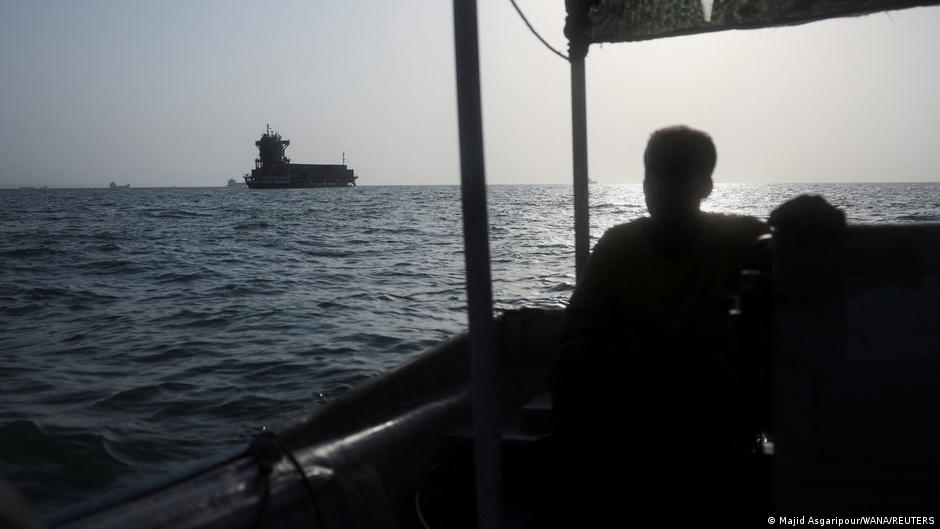
President Donald Trump is facing mounting pressure as the Iran‑related conflict spreads from the Strait of Hormuz to the Red Sea, and the United States prepares for a series of high‑profile meetings in Washington this week. Iran‑backed Houthi forces have seized key positions on the Yemeni coast, threatening Red Sea trade routes, while Saudi officials accuse Iranian‑aligned militias in Iraq of blowing up a vital east‑west oil pipeline. Trump is slated to meet Chinese President Xi Jinping and has signaled openness to a separate meeting with Iranian President Masoud Pezeshkian, who will attend the United Nations General Assembly in New York.
The escalation comes seven months into a war that began with a blockade of the Strait of Hormuz, a choke point for global oil shipments. The Houthi advance in September added a new flashpoint, jeopardising the flow of goods through the Red Sea and compounding an already severe energy crunch. Record‑high gasoline and diesel prices are hurting voters ahead of the November 3 midterm elections, intensifying calls for a decisive U.S. response. At the same time, Saudi Crown Prince Mohammed bin Salman phoned Trump on Sunday, urging the president to intervene and halt the Houthi surge.
Trump briefly considered airstrikes against the Houthis but later abandoned the plan, according to Fox News. Axios reported that the president rejected a Saudi request for strikes the previous week, and that Houthi leaders have reportedly agreed not to target U.S. assets. Iran expert Fatemeh Aman told DW that while U.S. pressure has weakened Tehran’s military capacity, a coherent strategy to force a lasting ceasefire remains elusive. The administration has imposed heavy military and economic costs on Iran, yet Tehran has not capitulated.
In the coming days Trump is expected to press China on its role as the world’s biggest buyer of Iranian oil, hoping Beijing will leverage its influence to curb Tehran’s actions in the Hormuz corridor. He will also hold talks with Gulf state representatives on the sidelines of the meetings. The outcome could determine whether shipping lanes reopen, fuel prices ease, and the president can claim a diplomatic win before the midterms.
Read Full Story at DW World →