Russia loses three Rassvet satellites in first 32 launches
Russia's Rassvet satellites, intended to rival SpaceX's Starlink, have at least three failures among the first 32 launched, raising reliability concerns for military and civilian communications. The …
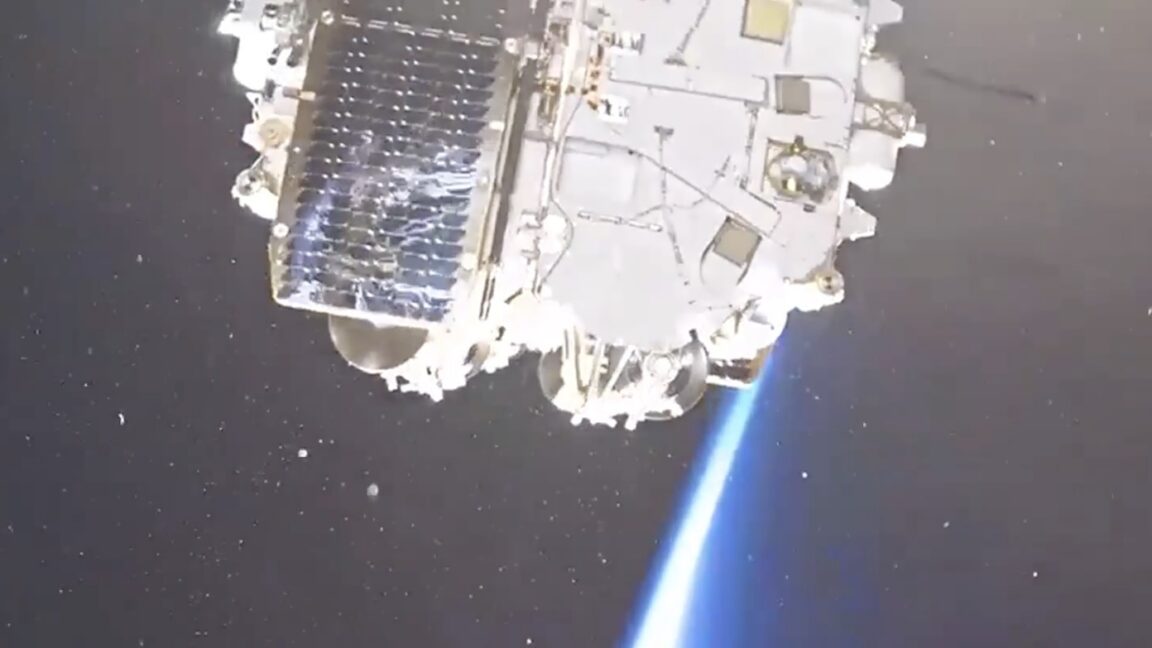
At least three of the first 32 Rassvet satellites launched by Russia’s Roscosmos have likely failed outright, with more possibly struggling to operate as designed. The satellites, part of Russia’s answer to SpaceX’s Starlink constellation, were deployed in batches starting in October 2023. Independent tracking and analysis suggest some have drifted from their intended orbits or stopped transmitting signals entirely. The failures raise questions about the reliability of a program touted by Moscow as a critical asset for military and civilian communications.
Rassvet, meaning “dawn” in Russian, is Moscow’s attempt to build a rival to Starlink, which has reshaped global satellite internet with thousands of low-orbit spacecraft. Russia accelerated the project after its invasion of Ukraine, facing sanctions that blocked access to Western electronics and launch services. The government framed Rassvet as a strategic necessity to reduce dependence on foreign technology and ensure secure communications. But the program has faced technical hurdles, delays, and a rushed timeline that experts say may have compromised reliability.
The 32 satellites launched so far were carried aboard Russian Soyuz rockets from Vostochny Cosmodrome in Russia’s Far East. Orbital data from U.S. tracking networks shows at least three have stopped maneuvering or changed orbits unexpectedly. Analysts at Seradata, a space industry consultancy, estimate failure rates could be higher once more data is collected. Roscosmos has not commented on individual satellite health, only saying the constellation is in “testing phase.” But the pattern suggests systemic issues, possibly linked to rushed production or flawed components amid sanctions.
If the failures persist, Russia may struggle to match Starlink’s scale or performance. Starlink now has over 6,000 active satellites providing global broadband. Russia has said it plans hundreds of Rassvet satellites by 2030. But without fixing technical problems, the project risks falling behind—undercutting a key propaganda and strategic goal. The setback also highlights how sanctions and isolation are hobbling Russia’s space ambitions, forcing it to rely on outdated systems or risky shortcuts.
Read Full Story at Ars Technica →