Stanford researchers discover brain develops from two distinct cell groups
Stanford researchers found that the brain develops from two distinct groups of cells, rather than a single population, which could explain challenges in growing hindbrain neurons in labs. This unders…
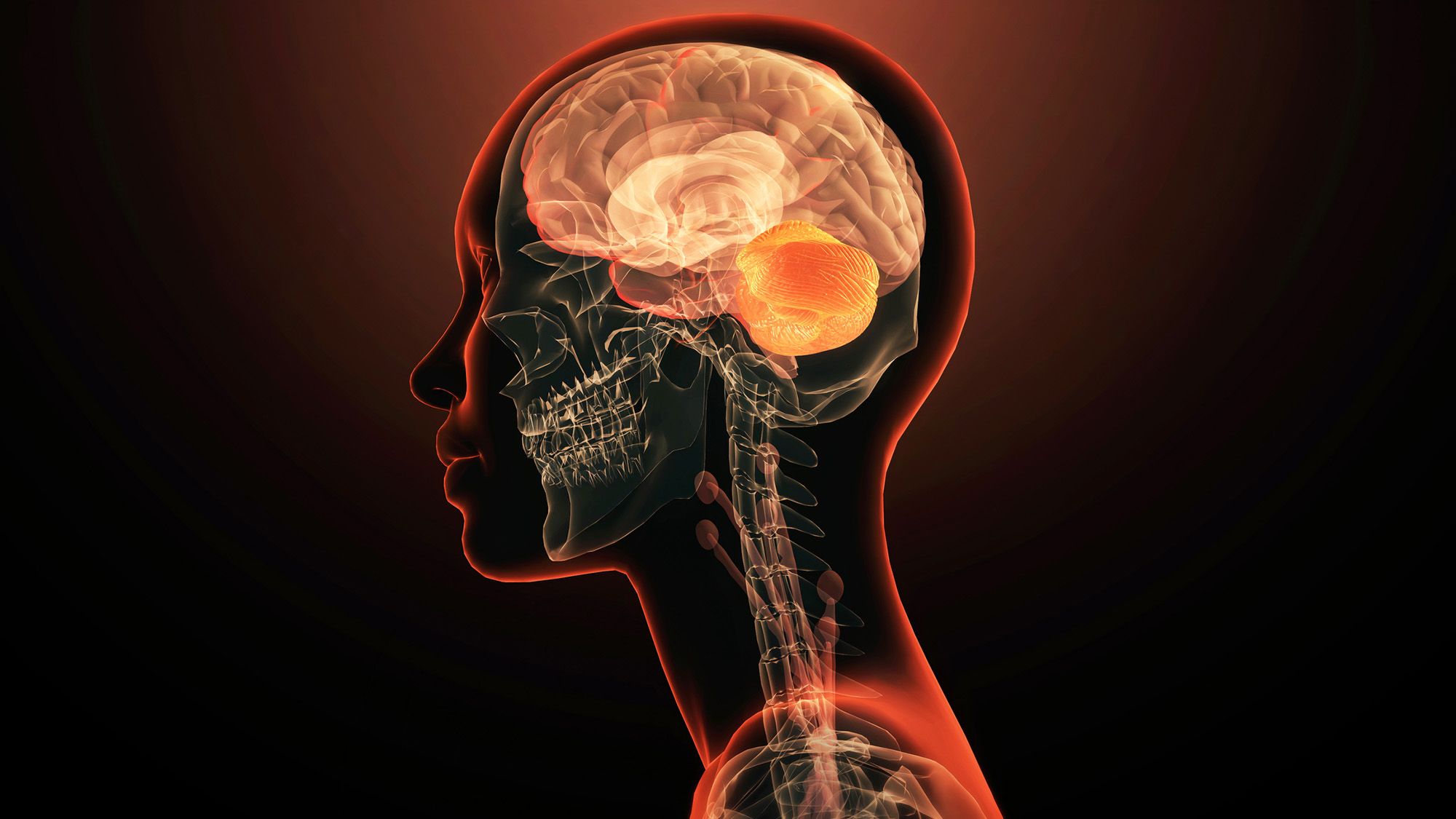
Stanford University researchers, led by associate professor Kyle Loh, published a paper in Nature Neuroscience last month that redefines how the brain forms. Their experiments in mouse embryos show that the forebrain and hindbrain do not come from a single group of cells; instead, two distinct populations merge to create the brain’s appearance as one organ. The study, released in September, challenges a long‑standing view of brain development.
The brain has always been described as a single organ divided into forebrain, midbrain and hindbrain. Yet scientists have struggled to grow hindbrain neurons in the lab, and the reasons were unclear. Loh’s team examined the earliest stages of embryonic development, a phase called gastrulation when cells begin to organize into organs. By tracking cell markers, they found that the brain’s building blocks split into two separate groups early on.
One group of cells expresses the gene Otx2, which directs the formation of the forebrain and midbrain. The other expresses Gbx2, a gene linked to midbrain and hindbrain development. The two groups stayed separate as they matured into nervous tissue, rather than blending together. The researchers also looked at chromatin, the DNA‑packing material in the nucleus, and found distinct patterns between the two cell types. This dual origin may explain why scientists have had trouble coaxing functional hindbrain neurons in culture.
If the brain is indeed two nervous systems smooshed together, it could open new paths for treating brainstem disorders. The brainstem, or hindbrain, controls vital functions such as breathing and heart rate. Understanding its separate developmental lineage could help researchers grow the right kinds of neurons for disease models and regenerative therapies. The study invites a rethink of developmental biology and offers a fresh framework for studying neurological conditions that affect the brainstem.
Read Full Story at Live Science →