Xenophobic violence in South Africa threatens $5 billion in investments
Xenophobic violence in South Africa ahead of the 2026 election threatens investment and economic stability, despite migrants contributing about two jobs each and making up just 4% of the population. F
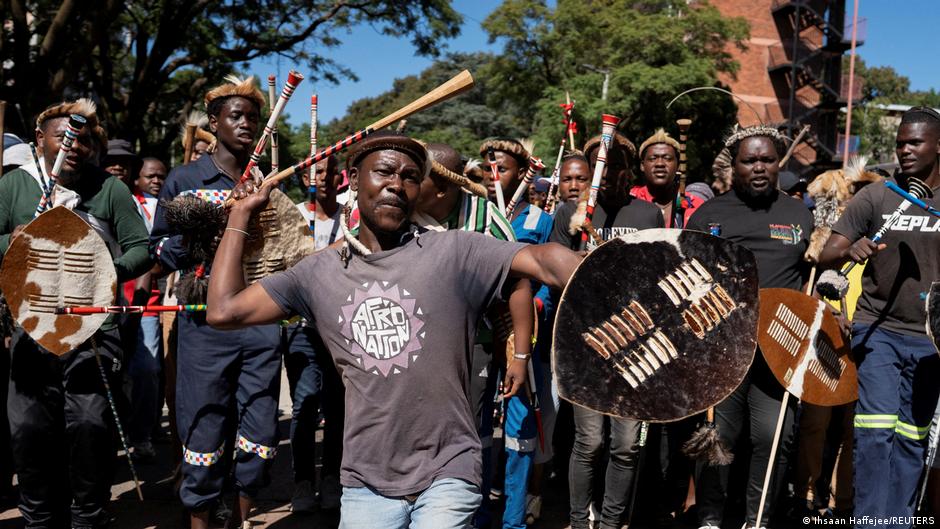
Hostile protests against foreigners in South Africa are turning violent and threatening investment just months before a crucial 2026 election. Right-w
Read Full Story at DW World →Why This Matters
The surge in xenophobic violence in South Africa ahead of the 2026 election isn’t just a humanitarian crisis—it’s an economic alarm bell. Foreign direct investment (FDI) flows are hypersensitive to perceptions of instability, and when violence is framed as targeting outsiders, it sends a chilling signal to global investors about the country’s reliability as a business destination. With migrants already contributing disproportionately to job creation, the paradox of scapegoating those who fuel economic growth underscores a deeper governance failure.
Background Context
South Africa’s fraught relationship with migration dates back to apartheid-era policies that strictly controlled movement, leaving a legacy where foreign nationals—particularly those from other African nations—are often framed as economic threats rather than contributors. While migrants make up roughly 4% of the population, their role in sectors like retail, agriculture, and informal trade is critical; studies suggest they generate about two jobs for every migrant worker through supply chains and ancillary services. Yet political rhetoric increasingly weaponizes xenophobia, exploiting public anger over unemployment and service delivery failures.
What Happens Next
The immediate risk is a capital flight as multinational corporations and investors reassess South Africa’s risk profile, particularly in volatile sectors like manufacturing and tourism. If violence escalates without decisive government intervention, credit rating agencies may downgrade the country further, increasing borrowing costs and stifling public investment. Meanwhile, the 2026 election campaign could weaponize xenophobic rhetoric, with opposition parties potentially amplifying anti-foreigner sentiments to gain traction—unless civil society and business leaders mount a coordinated pushback.
Bigger Picture
This crisis reflects a global pattern where economic insecurity fuels scapegoating of marginalized groups, even when data contradicts the narrative. South Africa’s struggle mirrors tensions in other emerging markets, from India’s debates over "outsiders" in labor markets to Brazil’s anti-immigrant backlash amid recession. The difference here is the country’s outsized role as an African economic hub—its instability could ripple across the continent, disrupting trade and remittance flows that sustain millions.






