DR Congo and WHO report Bundibugyo Ebola outbreak
The Democratic Republic of the Congo and WHO are leading efforts to contain an Ebola outbreak caused by the Bundibugyo virus, which lacks a licensed vaccine or targeted treatment. Community trust and early detection are critical to controlling the spread, as past outbreaks have been successfully managed with similar strategies.

The Democratic Republic of the Congo and the World Health Organization have reaffirmed their joint commitment to contain an outbreak of Ebola caused by the Bundibugyo virus, as senior officials from both sides visited Bunia this week to assess the response. Led by Congo’s health minister and the WHO director-general, the mission underscores the gravity of the situation in Ituri, North Kivu and South Kivu provinces, where cases and deaths are rising fast. The Government of the DRC is leading a sweeping national effort, backed by WHO and UN partners, to trace contacts, test samples and treat patients before the virus spreads further.
This is Congo’s eleventh Ebola outbreak, but the Bundibugyo strain is especially tricky because there is no licensed vaccine or targeted treatment yet. Health teams are nonetheless rolling out the same proven playbook—safe burials, infection control in clinics, and relentless community outreach—while racing to test experimental vaccines and drugs in real time. “We won’t wait for perfect tools,” said a WHO spokesperson on the ground. “We act now with what we have.” The government has also set up emergency coordination hubs in Ituri and neighboring provinces, mobilizing local leaders, women’s groups and religious figures to spread trusted health messages and stamp out rumors.
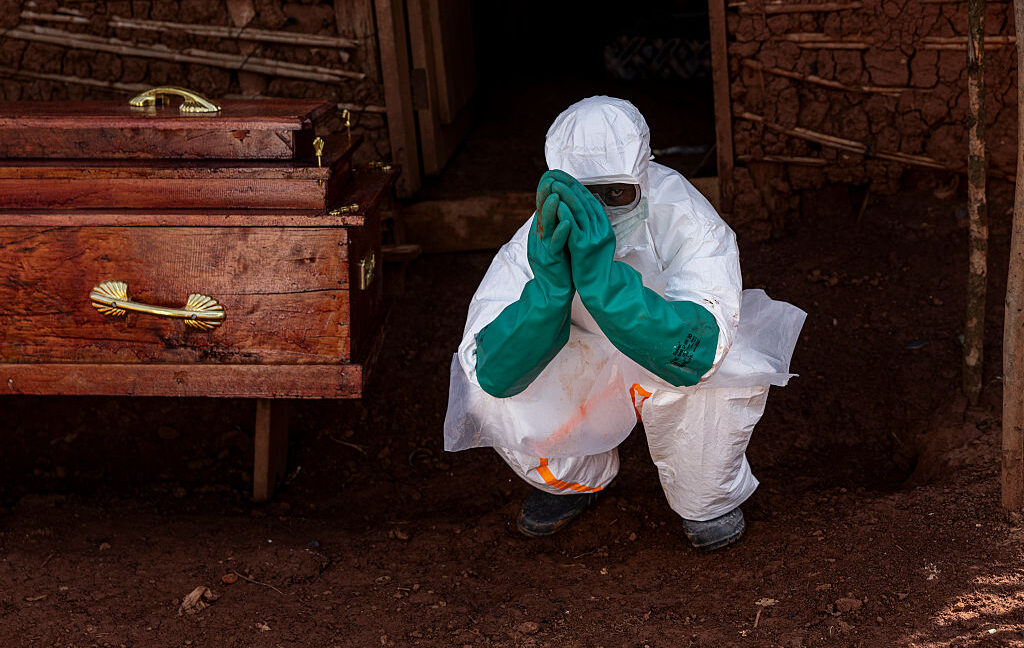
Trust is the real vaccine here, officials insist. Community buy-in can make or break any outbreak response, so teams are holding daily dialogues with elders, youth leaders and market traders to co-design solutions that fit local customs. “People must see their own voices reflected in the response,” said one provincial health director. Early detection remains the weakest link, with some families still hiding sick relatives or burying loved ones in secret. To fix this, mobile labs are being deployed to remote areas, and health workers are offering cash incentives for families who report cases promptly and comply with isolation rules.
Congo has beaten Ebola before, most recently in 2022, and this experience—combined with high-level political backing and fresh global support—gives experts cautious optimism. Yet the road ahead is steep: porous borders, weak health infrastructure and mistrust in some areas could easily let the virus slip through. The message from both Kinshasa and Geneva is simple: keep washing hands, seek care early, and speak up if you see danger signs. Every hour counts.