Kenyan Gen Z protests mark second anniversary
In 2024, Kenyan Gen Z protesters stormed parliament during anti-finance bill demonstrations, sparking ongoing resistance against police violence, high living costs, and government distrust, with littl
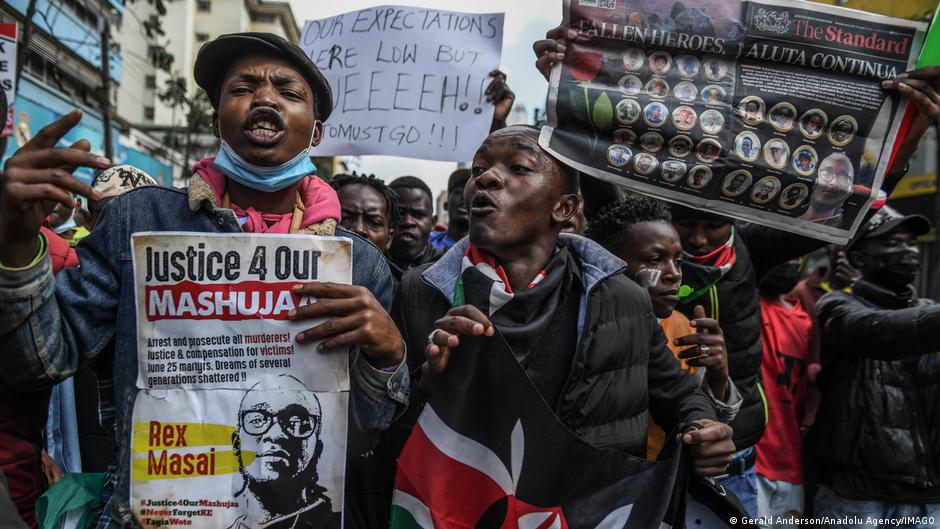
Kenya’s anti-riot police deployed heavily in Nairobi on Thursday, two years after Gen Z protesters stormed parliament during nationwide demonstrations
Read Full Story at DW World →Why This Matters
These protests represent a tectonic shift in Kenya’s political culture, marking the first time digital-native youth have forced structural confrontation with a government that long operated under the assumption of unchecked authority. The resilience of this movement—defying repression and co-optation alike—signals a generational rejection of top-down governance models, with implications for how African democracies will navigate the tension between economic reform and youth empowerment.
Background Context
While Kenya’s 2010 constitution promised devolution and transparency, successive governments have centralized fiscal and security controls, often sidelining public participation in budgetary decisions. The 2024 finance bill protests were not isolated; they built on decades of frustration with austerity measures disguised as economic "rationalization," and a police force repeatedly accused of extrajudicial killings without meaningful accountability.
What Happens Next
Expect intensified fragmentation within the ruling coalition as factions either double down on repression or seek tactical alliances with protest-adjacent leaders, while opposition parties scramble to avoid being outflanked by this new wave of activism. The judiciary’s handling of post-protest cases will test whether Kenya’s institutions can act as a counterweight—or succumb to political pressure.
Bigger Picture
This is part of a continental pattern where African youth, equipped with smartphones and globalized grievances, are redefining public dissent beyond traditional party structures. The Kenyan model—where viral hashtags translate into street-level defiance—is already influencing movements from Nigeria to Uganda, raising urgent questions about how governments will adapt to a citizenry that no longer waits for permission to demand change.








