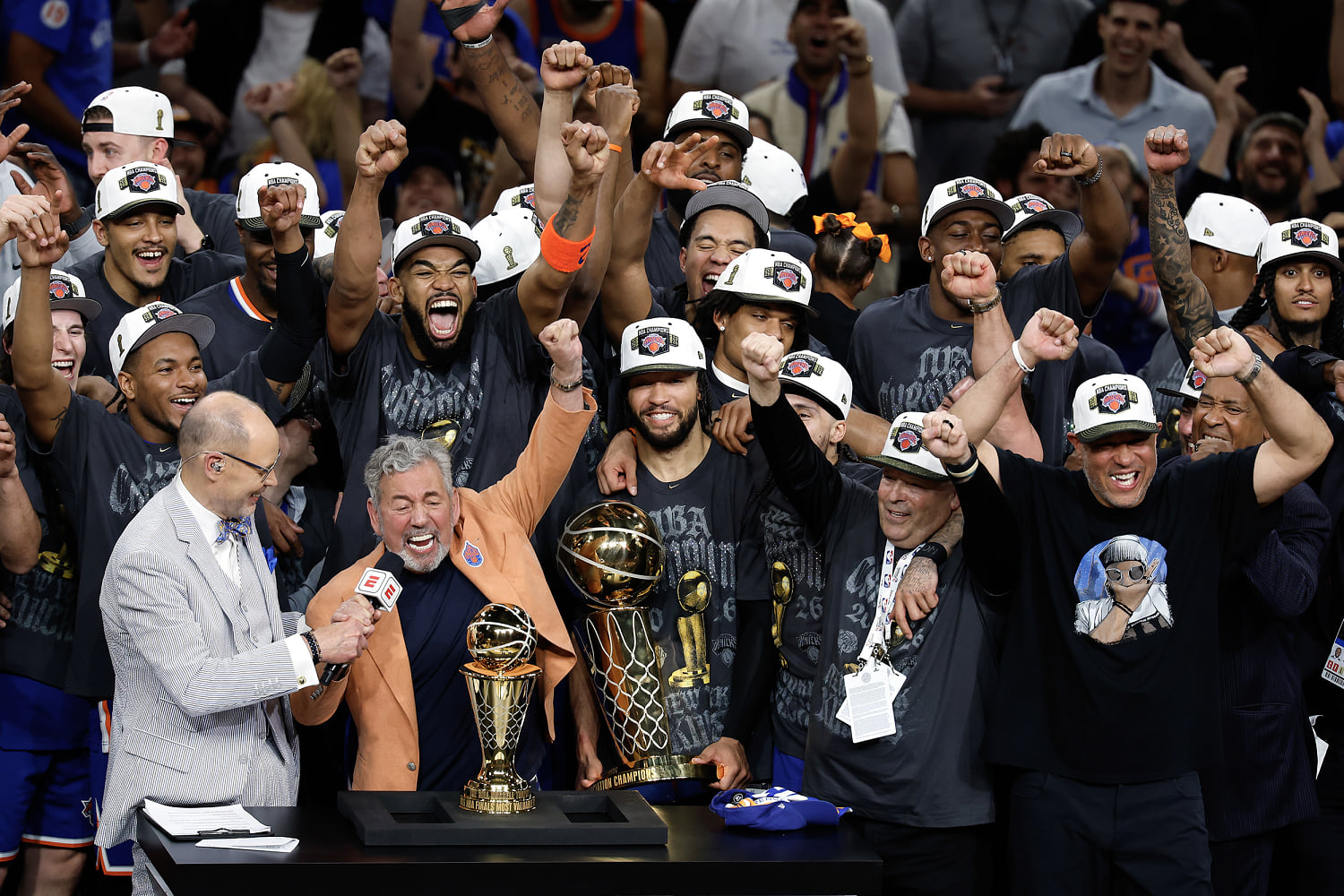
Knicks set to be first NBA team to visit White House under Trump
The president’s hometown team is expected to visit the White House after NBA champions skipped the visit throughout his first term.
NBC News — 17 June 2026
Text:
6
0
0
The president’s hometown team is expected to visit the White House after NBA champions skipped the visit throughout his first term. This report comes
Read Full Story at NBC News →
⚡ Quickyla Analysis
Original editorial context — not sourced from the article above
The New York Knicks’ expected visit to the White House under President Donald Trump marks a symbolic shift in sports diplomacy, one that reflects the evolving relationship between professional athletes and the nation’s highest office. While the Golden State Warriors and other NBA champions skipped the traditional post-victory ceremony during Trump’s first term—citing political divisions and personal objections—this invitation signals a possible thaw in tensions, at least for one franchise. The Knicks’ decision to accept is significant not just for its rarity but because it underscores how sports, often seen as a unifying force, can also become a microcosm of broader cultural and political divides.
New York’s stance on Trump has been complex. The city, a Democratic stronghold, has been a vocal critic of the former president, yet the Knicks’ ownership and players have historically maintained a more measured approach to political engagement. Their willingness to visit could be read as a pragmatic move—one that prioritizes tradition and institutional respect over ideological alignment. Still, it raises questions about whether this represents a broader normalization of sports teams engaging with a polarizing presidency or merely an isolated decision by a single franchise.
Looking ahead, the visit could set a precedent—or simply remain an outlier. If other teams follow suit, it might signal a gradual re-engagement with White House ceremonies, particularly for franchises from politically divided cities. Conversely, if the Knicks face backlash from fans or players, it could reinforce the idea that sports and politics are increasingly inseparable. The broader trend here is the growing expectation that athletes, even those who avoid overt political statements, must still navigate the expectations of their audiences in an era where neutrality is often perceived as complicity.
Ultimately, this moment is less about basketball and more about the enduring tension between tradition and activism in American culture. Whether the Knicks’ visit becomes a footnote or a turning point may depend on how other teams—and the league itself—choose to respond in the years to come.
Sources

🌍 World News
Man fleeing police attacked by alligator before continuing his getaway, Louisiana authorities say
🌍 World News
US crude exports hit record high in May as Iran war tightens global oil supplies

🌍 World News
Agitators outside Delaney Hall set up organized logistics operation before Newark protests began

🌍 World News
French doctors sound alarm over drinking water pollution

🌍 World News
Iran, Kuwait, Bahrain hit: Is the war in the Gulf escalating again?

🌍 World News
Four people trapped in flooded cave in Laos pulled to safety

