Malta proposes DeFi rulebook covering DAOs under MiCA-era framework
The Maltese regulator is seeking industry feedback on a legal framework for software-governed organizations, arguing that many DeFi projects are not fully decentralized.
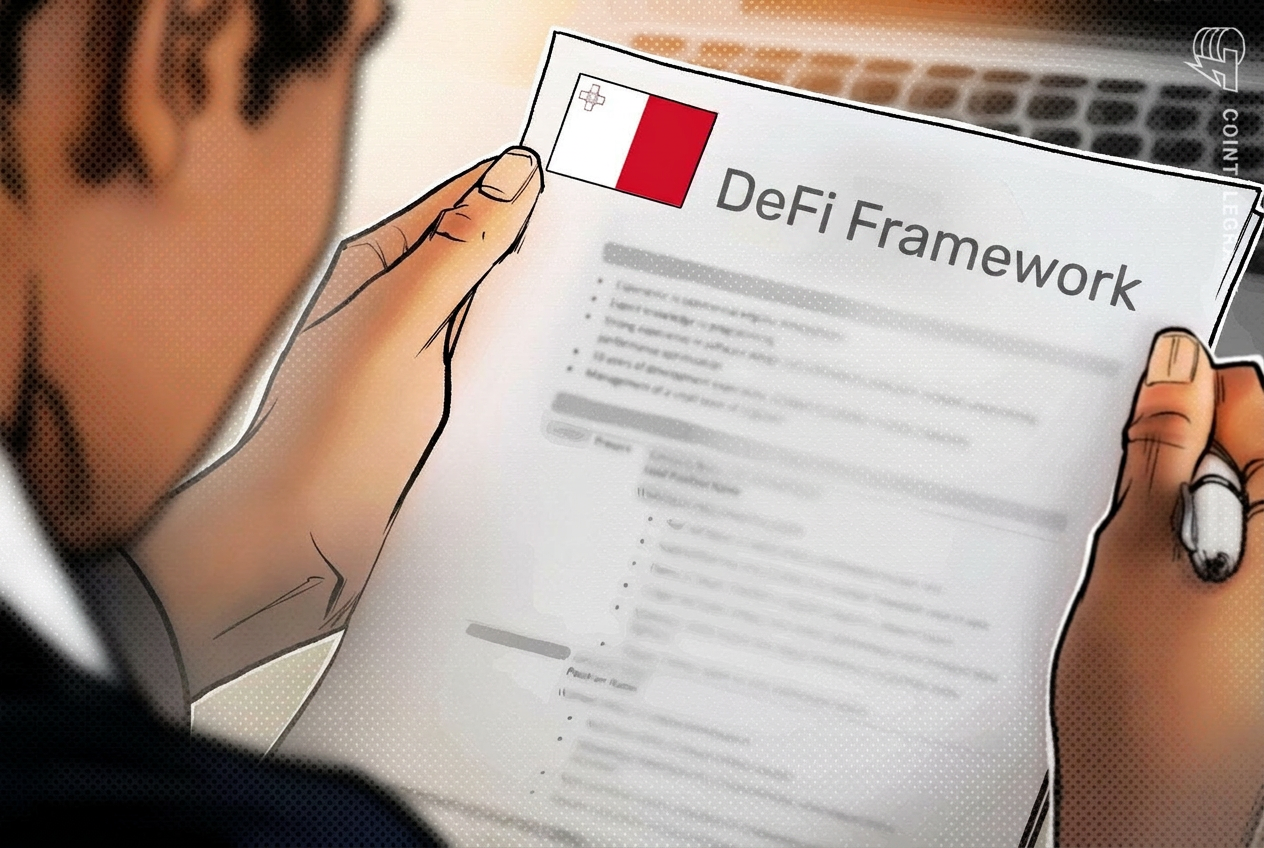
The Maltese regulator is seeking industry feedback on a legal framework for software-governed organizations, arguing that many DeFi projects are not f
Read Full Story at CoinTelegraph →Malta’s latest move to propose a regulatory framework for decentralized autonomous organizations (DAOs) under its MiCA-era legal structure marks a pivotal moment in the global race to define governance in decentralized finance. While the headline focuses on technical compliance, the broader significance lies in whether this approach can reconcile the core ethos of DeFi—permissionless, trustless systems—with the need for legal clarity. Malta, a pioneer in crypto regulation, is effectively testing whether a jurisdiction can accommodate DAOs without undermining their decentralized nature. The move suggests that even as the EU’s MiCA framework takes shape, smaller regulators are still experimenting with how to integrate decentralized entities into existing legal systems, potentially setting a precedent for others to follow. What makes this proposal particularly noteworthy is its recognition that many DeFi projects labeled as "decentralized" still exhibit centralization in key areas like governance token distribution, treasury management, or upgrade mechanisms. By proposing a DAO rulebook, Malta is tacitly acknowledging a paradox: the industry’s most disruptive innovation may rely on structures that are only partially decentralized, leaving regulators in a bind. This mirrors broader tensions in crypto governance, where the line between decentralization and centralized control is often blurred by practical realities. Looking ahead, the consultation process could reveal whether industry players are willing to accept even light-touch regulation as the cost of legitimacy. A key open question is whether this framework will serve as a blueprint for other EU nations or if Malta’s approach will be seen as too accommodating. Meanwhile, the proposal raises fresh questions about how DAOs might comply with existing financial laws, such as anti-money laundering (AML) and investor protection rules, without violating their core principles. At a macro level, this development reflects a growing trend: regulators are no longer treating DeFi as a monolithic wild west but as a sector that demands tailored oversight. How Malta navigates this balance could influence whether future frameworks preserve innovation or inadvertently centralize power in the hands of compliant entities. For now, the proposal stands as both a challenge and an opportunity—one that will shape how decentralized governance evolves in an era of increasing regulatory scrutiny.




