Many US Jewish adults have experienced assault or harassment over the past year, AP-NORC poll finds
WASHINGTON (AP) — The findings highlight the vulnerability that many Jewish adults in the U.S. feel as bipartisan support for Israel erodes and significant divides emerge within the Jewish community a
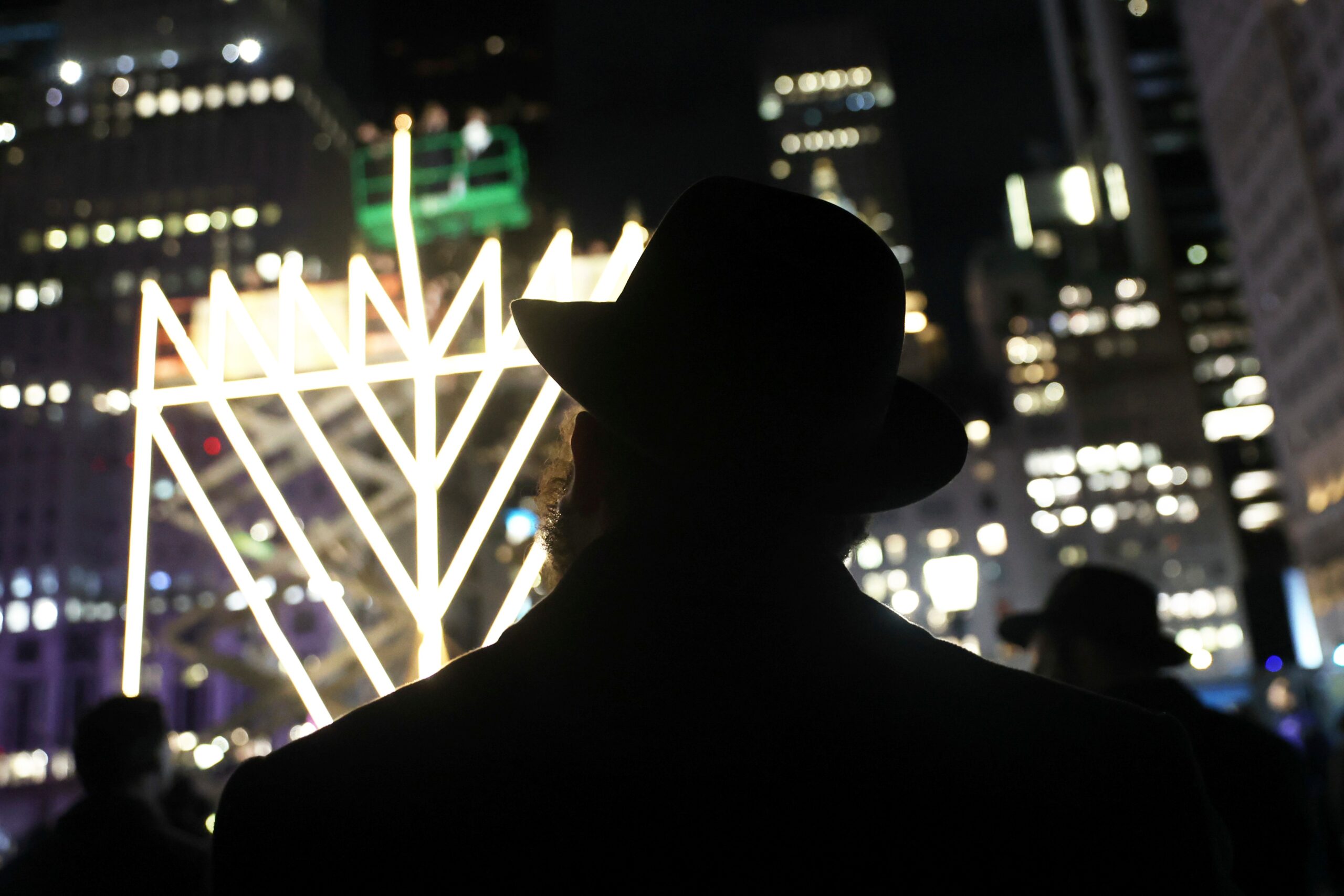
WASHINGTON (AP) — The findings highlight the vulnerability that many Jewish adults in the U.S. feel as bipartisan support for Israel erodes and signif
Read Full Story at Religion News Service →Why This Matters
The survey underscores a troubling normalization of anti-Jewish hostility in America, revealing how deeply societal fractures—whether over Israel, political ideology, or cultural identity—are manifesting in direct threats to personal safety. It forces a reckoning with the assumption that antisemitism remains a fringe issue, instead exposing its insidious spread across age groups, political affiliations, and geographic boundaries.
Background Context
Antisemitic incidents in the U.S. have steadily risen over the past decade, with spikes often correlating to Middle East conflicts or divisive domestic rhetoric. Unlike other forms of bigotry, antisemitism has historically targeted both religious and ethnic Jewish identities, complicating efforts to frame it solely as a religious or racial issue. The erosion of bipartisan consensus on Israel has further fractured the Jewish community, leaving many to navigate loyalty tests from both sides of the political aisle.
What Happens Next
Institutions may face intensified pressure to address security concerns, potentially widening the gap between urban and suburban Jewish communities in terms of access to protection. The findings could also embolden advocacy groups to push for federal data collection on antisemitic incidents, a long-standing demand that has thus far been met with resistance. Meanwhile, internal Jewish communal debates over how to respond—whether through political activism, enhanced security, or interfaith dialogue—are likely to intensify.
Bigger Picture
This data reflects a broader pattern of rising identity-based violence in the U.S., where traditional targets of hatred are increasingly intersecting with modern political grievances. The Jewish experience offers a microcosm of how global conflicts can fracture domestic social fabrics, challenging the notion that America’s pluralism is immune to the spillover effects of international disputes. It also raises questions about whether other minority groups will soon face similar dilemmas as polarization deepens.