🌍 World News
Live
Maryland Senate president faces primary after snubbing Democratic redistricting effort
Maryland state Senate president Bill Ferguson is facing a primary challenge in the wake of his decision last year not to pursue a new Democratic gerrymander in the state, in a rebuke to national Democ
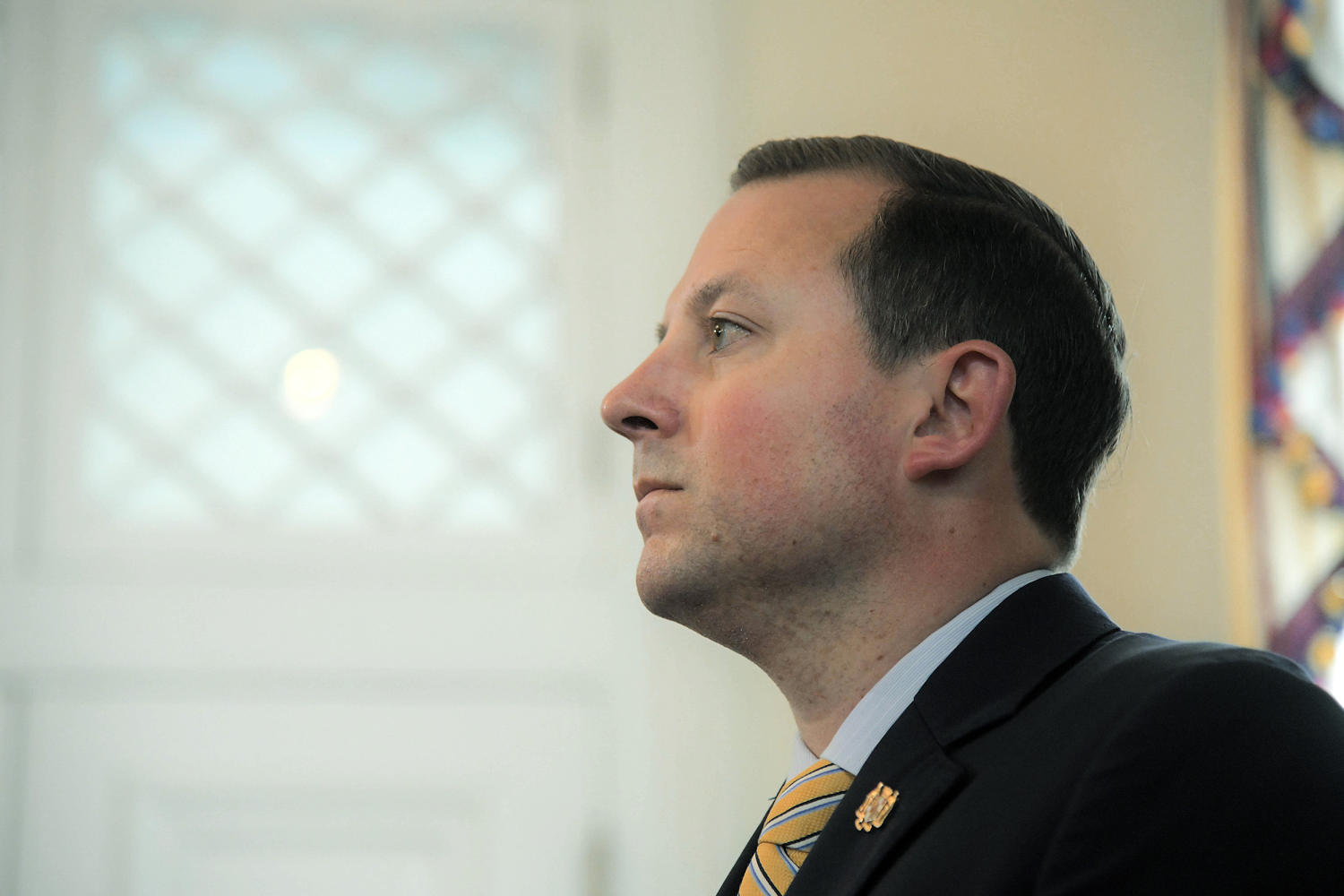
NBC News — 19 June 2026
Text:
9
0
0
Maryland state Senate president Bill Ferguson is facing a primary challenge in the wake of his decision last year not to pursue a new Democratic gerry
Read Full Story at NBC News →
⚡ Quickyla Analysis
Original editorial context — not sourced from the article above
The primary challenge facing Maryland Senate President Bill Ferguson underscores a growing tension within the Democratic Party over the ethics and practicality of gerrymandering, even as Republicans have weaponized the practice with far greater aggressiveness. Ferguson’s refusal to push for a new partisan map in Maryland—despite Democratic dominance in the state—reflects a strategic gamble that redistricting should prioritize fairness over raw political advantage. This stance has drawn backlash from progressives who argue that Democrats, particularly in deep-blue states, cede long-term power by rejecting aggressive redistricting. Maryland’s last map, drawn in 2021, already tilted heavily toward Democrats, giving them a 71-29 advantage in the state’s congressional delegation. Ferguson’s position challenges the conventional wisdom that the party must match Republican ruthlessness to maintain control, raising questions about whether Democrats can sustain electoral dominance without relying on structural advantages.
The broader significance of this primary battle lies in its potential to reshape how Democrats approach redistricting nationwide. For years, the party has wrestled with the moral dilemma of gerrymandering, caught between seizing every possible electoral edge and upholding democratic norms. Ferguson’s challenge comes from a progressive faction that views his stance as a betrayal of working-class voters, who could benefit from stronger Democratic representation in Congress. Yet his opponents may be underestimating the political risks of overcorrecting—Democrats in states like New York and Illinois have faced backlash for aggressive redistricting, which fueled Republican gains elsewhere by packing urban voters into fewer districts.
What happens next could signal whether Democrats are willing to abandon the redistricting arms race or double down on it. If Ferguson survives, it may embolden other Democratic leaders to resist partisan maps, even in states where they hold total control. If he loses, the party could revert to a more transactional approach, prioritizing seat maximization over ethical considerations. Either outcome will reverberate in 2026, when redistricting cycles resume in many states, and could influence whether Democrats can retain or expand their narrow majorities in Congress. The stakes are higher than a single primary—they represent a philosophical fight over the future of fair representation in American democracy.
Sources

🌍 World News
Man fleeing police attacked by alligator before continuing his getaway, Louisiana authorities say
🌍 World News
US crude exports hit record high in May as Iran war tightens global oil supplies

🌍 World News
Agitators outside Delaney Hall set up organized logistics operation before Newark protests began

🌍 World News
French doctors sound alarm over drinking water pollution

🌍 World News
Iran, Kuwait, Bahrain hit: Is the war in the Gulf escalating again?

🌍 World News
Four people trapped in flooded cave in Laos pulled to safety

