Anil Menon launches to ISS on Soyuz Tuesday at 9:37 a.m. EDT
NASA astronaut Anil Menon launches Tuesday at 9:37 a.m. EDT aboard a Russian Soyuz rocket to the ISS for a six-month mission, marking the first Indian-American on a long-duration spaceflight. The miss
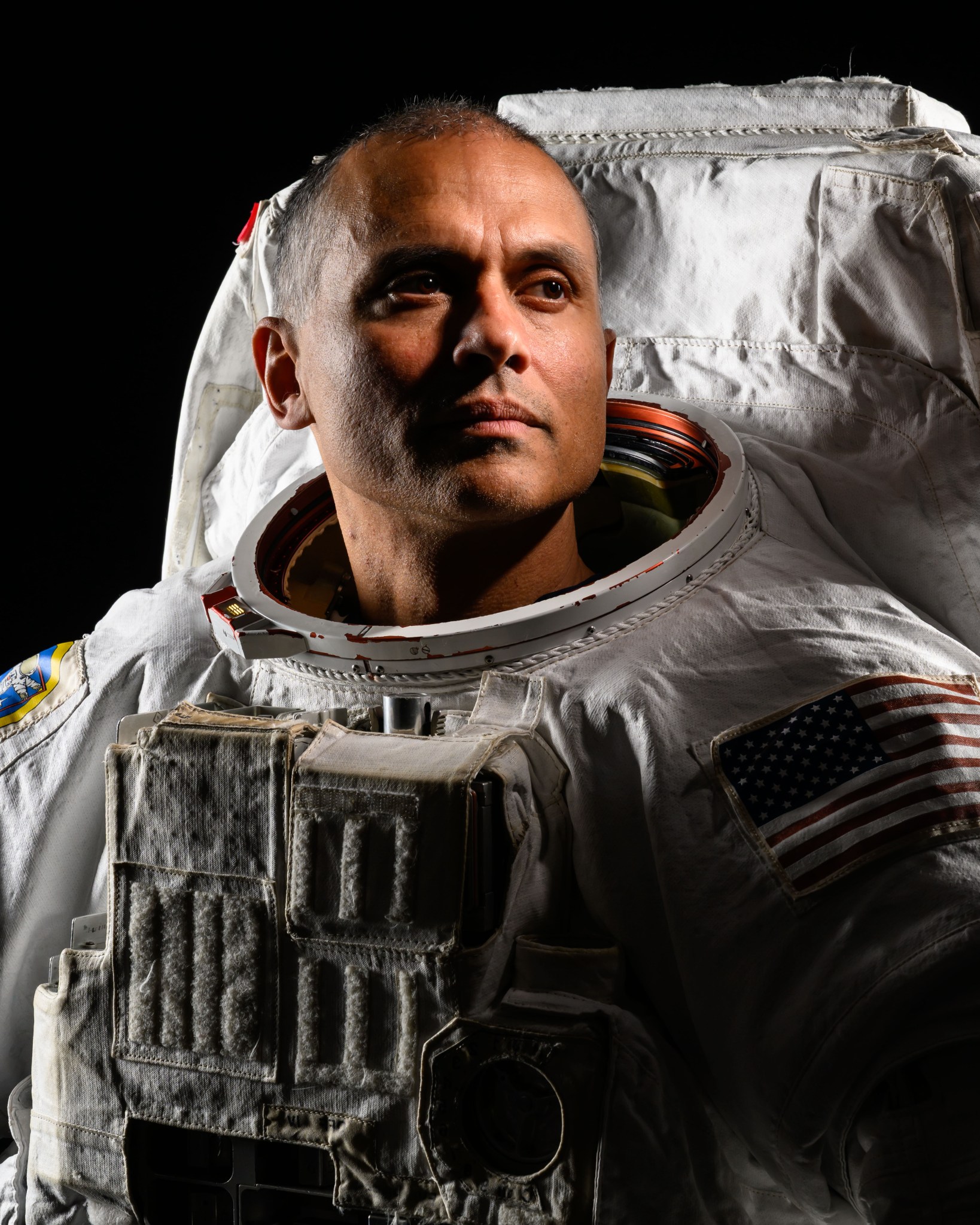
NASA astronaut Anil Menon will blast off Tuesday aboard a Russian Soyuz rocket, becoming the first Indian-American to serve on a long-duration mission
Read Full Story at NASA →Why This Matters
Anil Menon’s mission to the International Space Station (ISS) represents a pivotal moment in establishing India as a formidable player in the global space race, particularly as the country accelerates its domestic space program while also expanding collaborations beyond its traditional partners. Beyond national pride, his role aboard a Russian Soyuz rocket—amid geopolitical tensions—underscores the enduring, if strained, interdependence of space exploration even in an era of heightened competition. For Indian-American communities, his achievement serves as a tangible symbol of representation, inspiring future generations to pursue careers in STEM and spaceflight.
Background Context
Anil Menon’s selection by NASA in 2018 was part of the agency’s push to diversify its astronaut corps, but his deep ties to both countries—having trained in the U.S. and served as a flight surgeon for SpaceX’s Crew Dragon missions—highlight the fluidity of talent in an increasingly globalized aerospace sector. Russia’s continued reliance on Soyuz rockets for crewed missions, despite the war in Ukraine and Western sanctions, underscores the paradox of space exploration as a rare domain where Cold War-era cooperation persists. Meanwhile, India’s own ambitions, including its upcoming Gaganyaan crewed mission, signal a new chapter in its spacefaring history, one where partnerships with NASA and private companies could redefine its role.
What Happens Next
Menon’s six-month stay on the ISS will likely focus on biomedical research, a critical field as both NASA and its partners prepare for long-duration missions to the Moon and Mars. His presence aboard the Soyuz could also serve as a litmus test for whether Russia’s space agency, Roscosmos, can maintain its reliability as a partner amid sanctions and technical setbacks. Observers will watch closely for any signs of strain in the mission’s planning, particularly as India’s own human spaceflight program advances, potentially reshaping future collaborations.
Bigger Picture
Menon’s flight reflects a broader trend of spacefaring nations leveraging diaspora talent and international partnerships to bolster their programs, a strategy that blurs traditional geopolitical lines. As nations like India, the UAE, and others ramp up their space capabilities, the ISS may become a microcosm for how collaboration and competition coexist in low Earth orbit




