NASA’s Perseverance finds record organic molecules in Jezero Crater
NASA’s Perseverance rover found the highest concentration of complex organic molecules on Mars in a rock from Jezero Crater, a former lake that may have supported life. Determining their origin—biolog
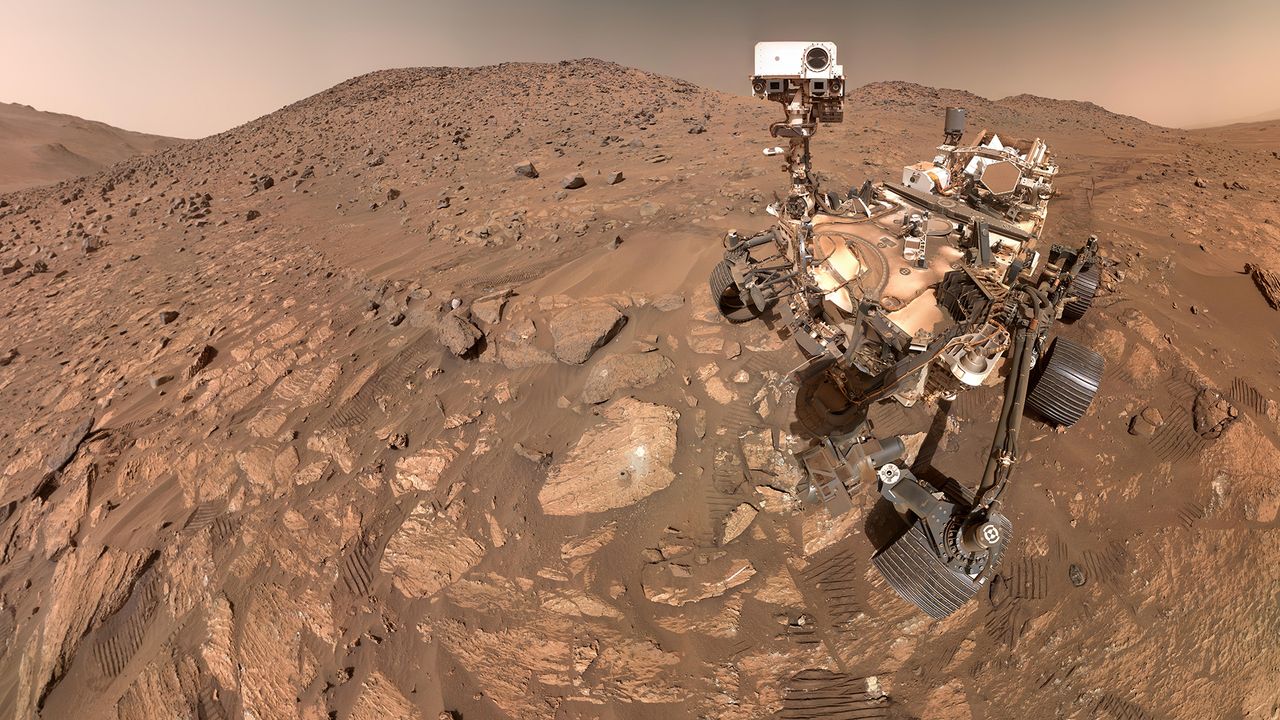
NASA’s Perseverance rover has detected the highest concentration yet of complex organic molecules on Mars, a discovery that could help scientists piec
Read Full Story at Live Science →Why This Matters
The discovery of an unprecedented concentration of complex organic molecules on Mars underscores the planet's potential to preserve chemical signatures of past or even present biological processes. This finding shifts the paradigm from merely searching for water to actively hunting for the building blocks of life, which may fundamentally alter how we approach planetary exploration and the search for extraterrestrial life.
Background Context
NASA's Perseverance rover was specifically designed to probe the geology and astrobiology of Jezero Crater, a site selected for its ancient lakebed deposits that could harbor signs of microbial life. The rover's state-of-the-art instruments, including SHERLOC and PIXL, have already detected organic compounds in multiple samples, but this latest find represents the most concentrated and diverse collection to date—hinting at more robust preservation conditions or higher biological potential than previously suspected.
What Happens Next
Scientists will prioritize analyzing the molecular structure of these compounds to determine whether their origins are abiotic (geochemical) or biotic (potentially biological). Meanwhile, the Mars Sample Return mission faces heightened pressure to retrieve these and other high-value samples before Earth contamination risks or natural degradation alter their pristine state. Public and private sector investments in advanced astrobiology tools may accelerate as this discovery reshapes funding priorities.
Bigger Picture
This breakthrough aligns with a broader renaissance in astrobiology, where missions to Mars, Europa, and beyond are increasingly focused on organic chemistry rather than just habitability metrics. It also reflects a growing consensus that detecting life—past or present—may require interdisciplinary approaches combining geology, chemistry, and even AI-driven pattern recognition to parse ambiguous signals in extraterrestrial environments.







