Nigeria to seek compensation for property abandoned by citizens fleeing South Africa
Nigeria says it will seek compensation from South Africa for its citizens who have left the country following recent protests targeting undocumented migrants. Foreign ministry spokesperson Kimiebi Imo
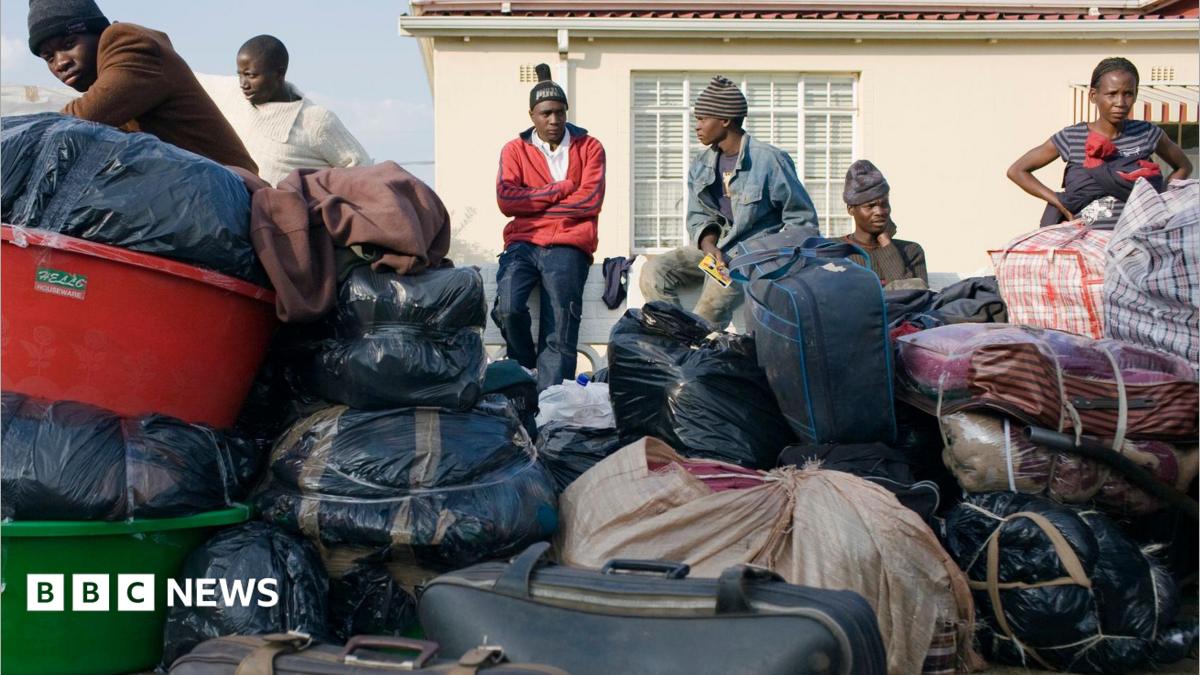
Nigeria says it will seek compensation from South Africa for its citizens who have left the country following recent protests targeting undocumented m
Read Full Story at BBC World News →Why This Matters
This move by Nigeria underscores the growing frustration among African states over the erosion of regional solidarity amid rising xenophobia. It signals a potential shift in diplomatic strategies, where compensation claims could become a tool to hold nations accountable for failing to protect migrants within their borders. The case may set a precedent for how post-colonial relationships navigate the tension between sovereignty and cross-border rights.
Background Context
South Africa has a long history of violent outbreaks against African migrants, often fueled by economic grievances and scapegoating. Nigeria, as Africa’s most populous nation and a regional power, has historically downplayed such incidents to preserve diplomatic ties, despite public outcry. The timing of this compensation demand coincides with a period of strained relations between Pretoria and Abuja over trade, security, and leadership within continental blocs.
What Happens Next
Nigeria’s legal and diplomatic teams will likely explore two parallel tracks: formal claims through regional bodies like the African Union and bilateral pressure on South Africa. The success of such efforts hinges on whether other affected nations join the chorus, or if South Africa counters with its own narratives about migration governance. Observers should watch for whether this escalates into a formal dispute resolution mechanism or remains a symbolic gesture.
Bigger Picture
The development reflects a broader reckoning across the continent, where economic integration and free movement agreements (e.g., Africa’s Continental Free Trade Area) clash with nationalist backlashes. It also highlights how African states are increasingly leveraging legal and economic tools—rather than symbolic rhetoric—to address diaspora crises. If successful, similar claims could emerge in other regions where migrants face systemic abandonment.





