‘Petrol on the fire’: Sikhs in UK reconsider Reform support over response to Henry Nowak murder
Recent success among Sikh voters in doubt after party’s proposed kirpan ban adds to sense of racist scapegoating “There’s a genuine battle going on between Reform UK and Labour for Sikh voters,” says Dabinderjit Singh, of the Sikh Federation. Until the case of Henry Nowak , the
Recent success among Sikh voters in doubt after party’s proposed kirpan ban adds to sense of racist scapegoating
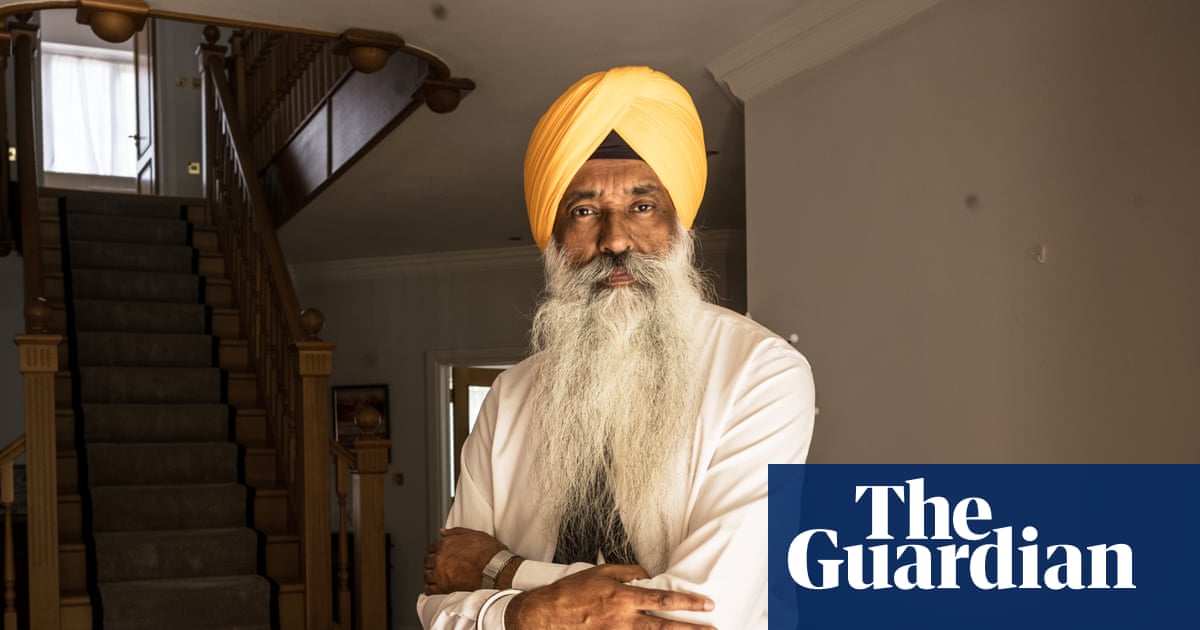
“There’s a genuine battle going on between Reform UK and Labour for Sikh voters,” says Dabinderjit Singh, of the Sikh Federation.
Until the case of Henry Nowak , the 18-year-old stabbed to death by Vickrum Digwa, a British Sikh, hit headlines across the country, traditional support for Labour among British Sikhs was slumping, while support for Reform was rising from a low base. But now the fledgling alliance between some British Sikhs and the populist right is facing its toughest test.
The Reform party is facing questions from its own Sikh membership about Zia Yusuf’s threat to stop British Sikhs from carrying ceremonial kirpan blades, while community leaders blame comments from the Reform leader, Nigel Farage – who called for “pure, cold rage” after Nowak’s killer was jailed for life – for contributing to anti-Sikh hate crime.
The moment raises questions over whether the populist right can successfully retain sympathetic ethnic minority voters or whether such alliances are destined to end in tears.
Reform’s deputy leader, Richard Tice, met Sikh leaders after some “furious” Sikh Reform activists warned him the party risked losing their vote for good, the Guardian has learned.
Another Reform activist from a Sikh background – Navtaij Sangha – has said a nuanced debate on the rules around the kirpan would be welcomed.
Sikh community organisations say the blade Digwa used was not a kirpan – the small blade Sikhs are permitted to carry by UK law – but a Persian blade that Digwa wore as part of his membership of Nihang, a Sikh warrior subculture. Nonetheless, the case has triggered a debate that goes to the heart of Sikh identity.