Polestar barred from selling cars in U.S. in 2027
Polestar cannot sell cars in the U.S. in 2027 due to Commerce Department rules blocking vehicles with Chinese or Russian tech; its South Carolina-built Polestar 3 is affected because Geely, a China-ba
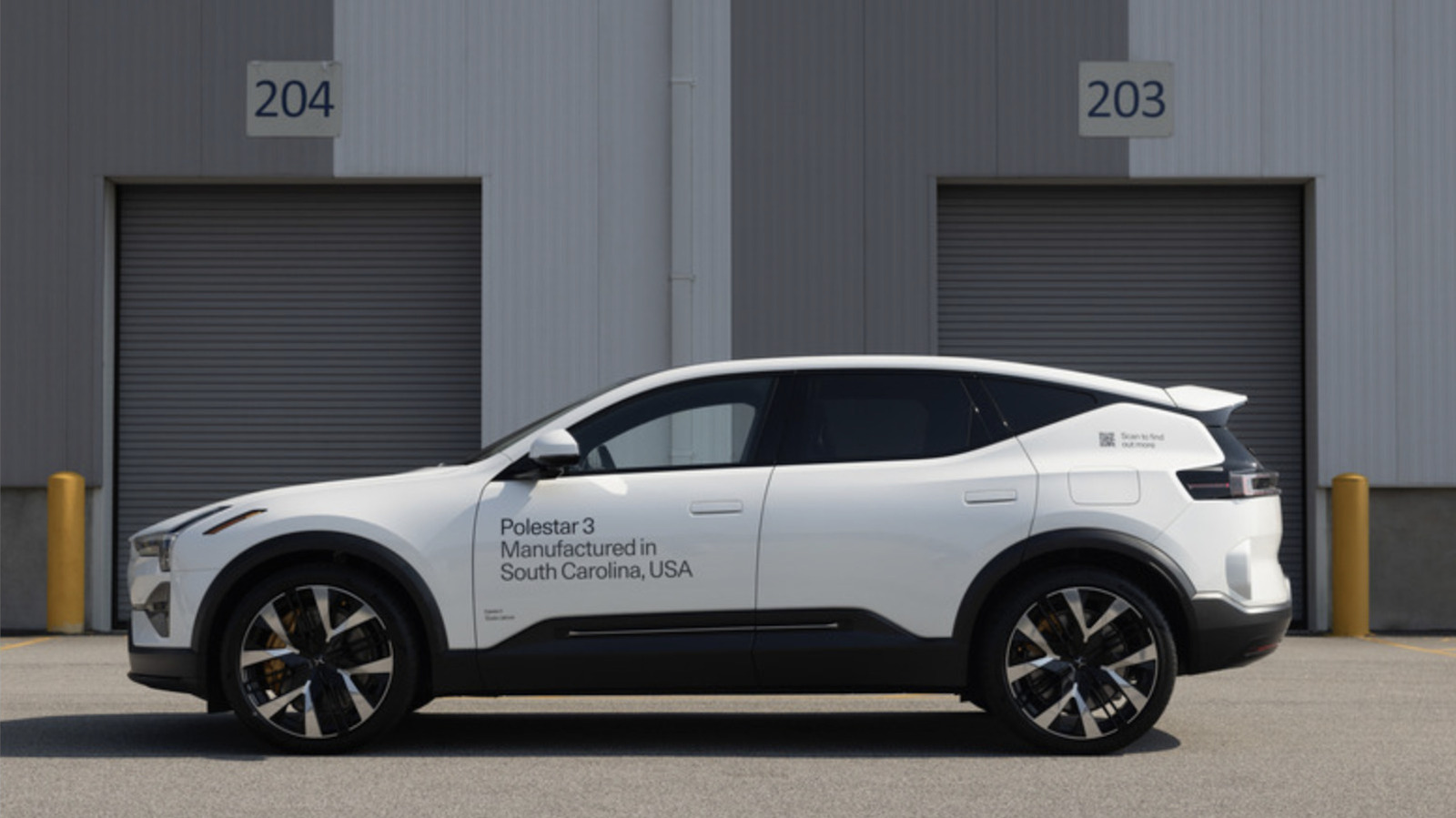
Polestar will effectively be locked out of the U.S. car market in 2027 after the Department of Commerce blocked new models from entering the country.
Read Full Story at Engadget →Why This Matters
The Polestar shutdown in the U.S. isn’t just about one automaker—it signals a hardening regulatory stance that could reshape how foreign-owned firms operate in Western markets, particularly those with complex supply chains tied to geopolitical rivals. This move forces a reckoning for Western EV brands that rely on Chinese battery technology or manufacturing partnerships, potentially accelerating a bifurcation of the global auto industry into blocs aligned with U.S. or Chinese industrial policy.
Background Context
Polestar’s predicament stems from a 2023 U.S. Commerce Department rule targeting vehicles with components from Chinese or Russian suppliers, reflecting escalating techno-nationalism in Washington. The policy targets vehicles assembled outside China but using parts from sanctioned jurisdictions—a category that includes Polestar’s South Carolina-built Polestar 3, which sources critical software and battery systems from Geely’s China-based ecosystem. This isn’t an isolated case; it mirrors similar crackdowns on Chinese-made drones, solar panels, and semiconductors, where national security justifications are increasingly used to justify protectionist trade measures.
What Happens Next
The clock is now ticking for Polestar to either pivot its supply chain away from Chinese tech or exit the U.S. market entirely—options that could reshape its business model globally. Competitors like Tesla and Ford, already navigating similar constraints, will watch closely to see if the Commerce Department enforces the rule uniformly or grants exemptions, which could expose arbitrage opportunities. Meanwhile, South Carolina officials may pressure the Biden administration to soften the stance, given the state’s growing stake in the clean energy transition and its recent investments in Polestar’s plant.
Bigger Picture
This episode fits a broader pattern where the electrification of transportation is colliding with geopolitical fragmentation, forcing automakers to choose sides in a decoupling between Western and Chinese industrial ecosystems. The U.S. auto industry’s future may hinge on whether it can replicate China’s battery and software supply chains domestically—or else risk ceding ground in the EV race to firms that can navigate these restrictions. For consumers, the stakes are clear: cheaper, China-backed EVs may become harder to buy in America, while domestically compliant models could command premium prices.




