Navigation apps reject UN's Equal Earth map for Mercator convenience
Popular navigation apps are unlikely to replace the Mercator projection with the UN-recommended Equal Earth map, despite calls for more accurate representations. This is primarily due to user familia…

Popular navigation apps are unlikely to switch from the traditional Mercator projection to the UN-backed Equal Earth map, despite a recent resolution promoting the latter. This resolution, which calls for the use of the Equal Earth map in educational settings, was adopted to address the distortions caused by the Mercator projection. The Mercator map, while widely used, significantly alters the size and shape of land masses, particularly near the poles, leading to misconceptions about geographic proportions.
The push for the Equal Earth map stems from a growing awareness of these distortions and their implications. The Mercator projection, created in the 16th century, was originally designed for maritime navigation and prioritizes angles over area. This has led to inflated perceptions of countries like Greenland and Russia, making them appear much larger than they are relative to countries near the equator. As global discussions around geography and representation evolve, advocates argue that maps should reflect more accurate depictions of our world.
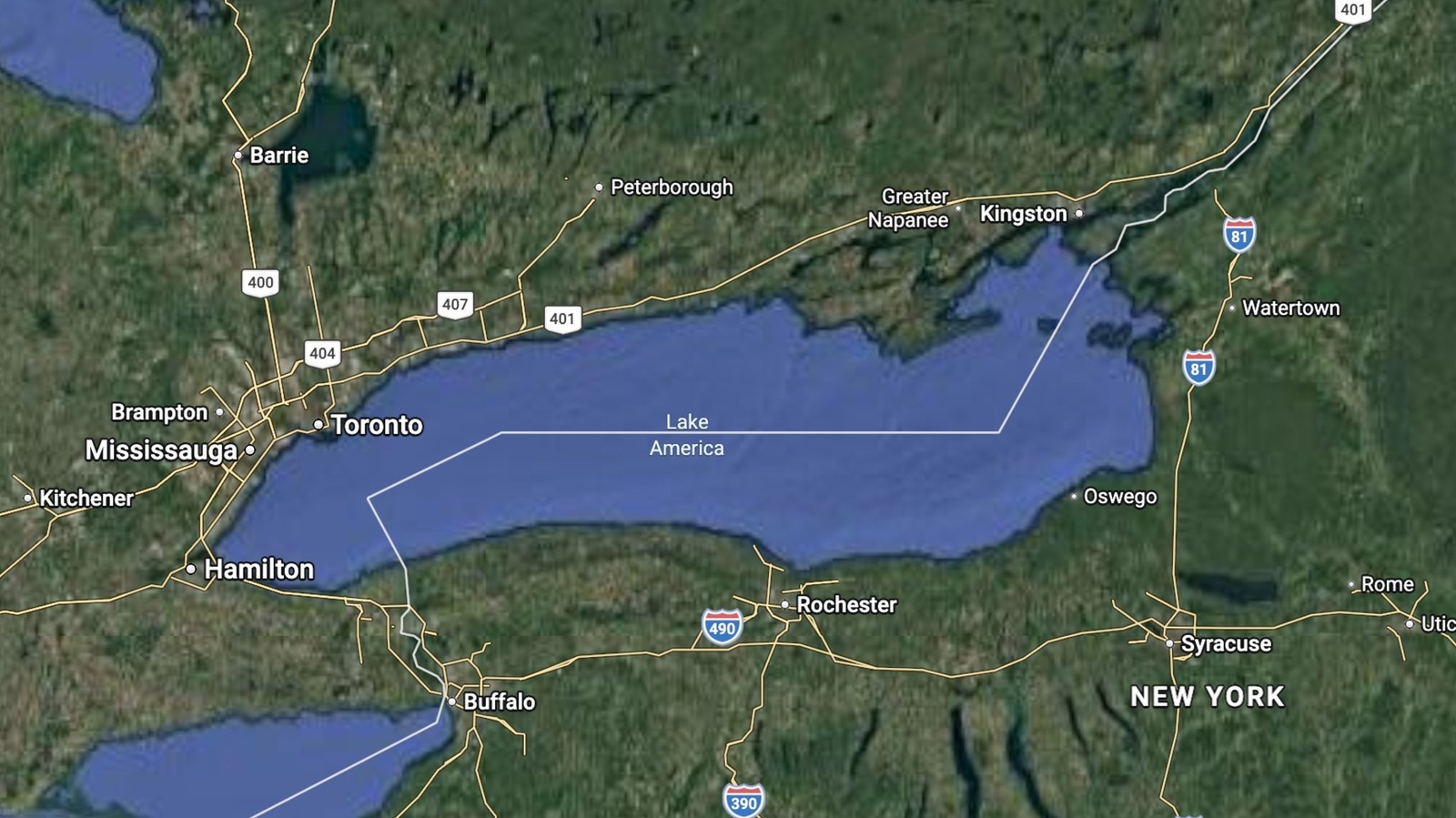
Despite the UN's resolution, major navigation apps like Google Maps and Waze are not likely to adopt the Equal Earth map anytime soon. These platforms prioritize functionality and user familiarity, and the Mercator projection remains deeply embedded in their design. Users are accustomed to the visual cues provided by Mercator maps, which are optimized for navigation rather than education. The technical constraints of incorporating a new projection into existing applications further complicate potential shifts in mapping approaches.
Looking ahead, the conversation around map projections is expected to continue. While educational institutions may embrace the Equal Earth map to promote a more accurate understanding of global geography, navigation apps will likely maintain the status quo. As discussions around geographic representation grow, there may be opportunities for innovation in how maps are presented, but any significant changes will require user buy-in and technological adjustments.
Read Full Story at Ars Technica →