Louisiana sees 96% lunar eclipse Aug 27
A partial lunar eclipse on August 27, 2026, obscured 96.3% of the Moon for Louisiana viewers. This near-total event resulted from a precise syzygy alignment, demonstrating predictable orbital mechani…
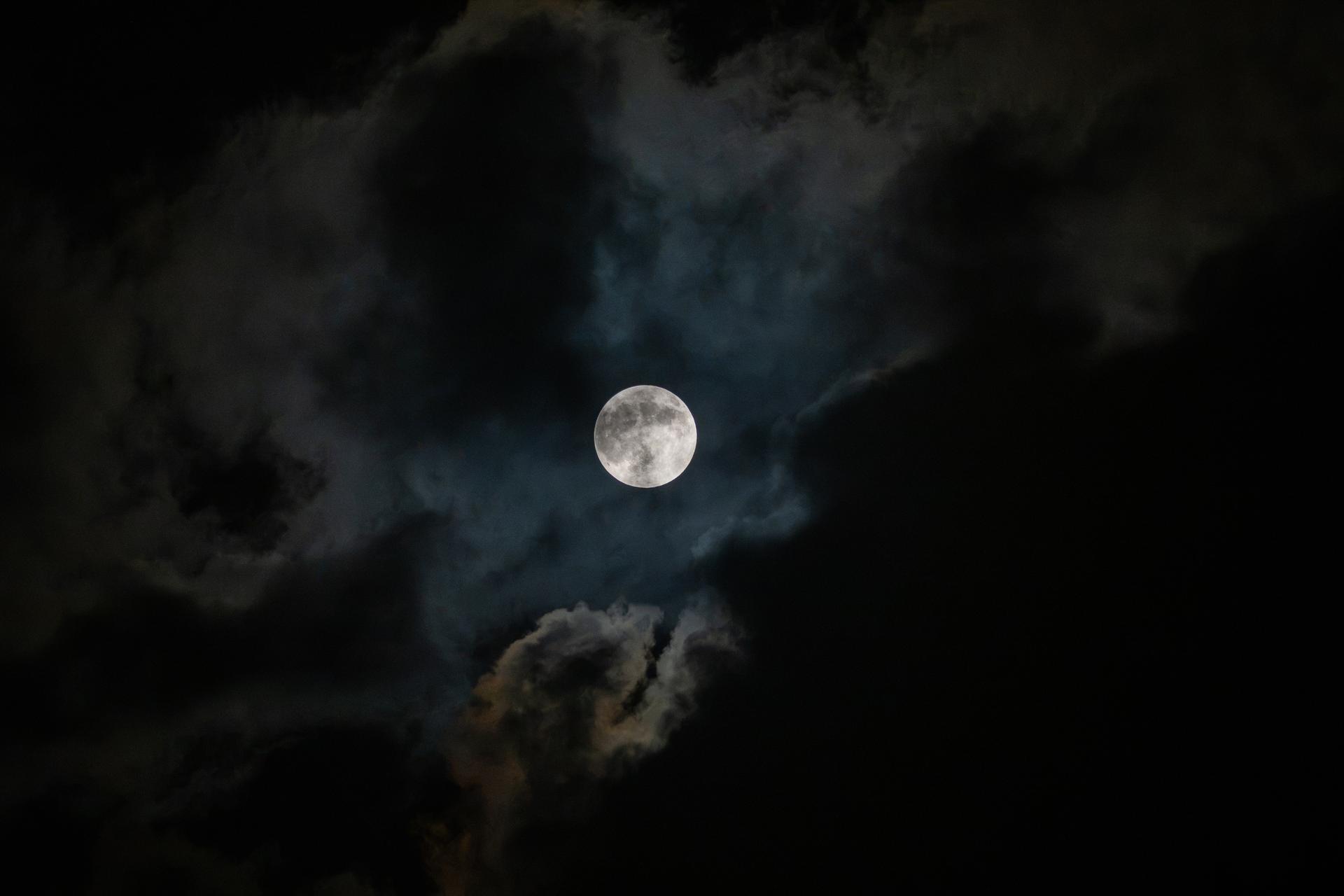
The Moon entered Earth’s deep shadow on the night of August 27 and into the early hours of August 28, 2026, delivering a dramatic partial lunar eclipse visible across the Americas and parts of the Pacific. At 12:13 a.m. Eastern Daylight Time, the event reached its peak intensity. Observers in Louisiana and much of the central United States watched as 96.3 percent of the lunar disk vanished into the umbra, the central and darkest portion of Earth’s shadow where direct sunlight is completely blocked. This was not a total eclipse, where the entire Moon disappears, but the margin was incredibly slim. The vast majority of the Moon was obscured, leaving only a thin, bright sliver illuminated by direct sunlight. For skywatchers, the effect was striking. The immersed portion likely took on a dull, coppery, or deep gray hue, caused by sunlight bending through Earth’s atmosphere and filtering onto the lunar surface. The clarity of this event depended heavily on local weather conditions, but the geometry of the alignment was perfect for those with a clear view of the night sky.
This celestial event is part of a predictable cycle governed by the orbital mechanics of the Earth, Moon, and Sun. A lunar eclipse occurs only during a full moon when the three bodies align nearly perfectly in a straight line, known as syzygy. Because the Moon’s orbit is tilted relative to Earth’s orbit around the Sun, these alignments do not happen every month. Instead, they occur during eclipse seasons, periods when the nodes of the Moon’s orbit intersect with the Sun-Earth line. The partial nature of this eclipse indicates that the Moon passed slightly off-center through Earth’s shadow cone. It did not go far enough into the shadow to be completely engulfed, nor did it miss the shadow entirely. This specific alignment is the result of decades of predictable orbital motion, calculated with precision by astronomers. Understanding these cycles allows scientists and enthusiasts alike to forecast such events years in advance. The high percentage of obscuration makes this a particularly notable event for photographers and amateur astronomers, who seek out eclipses that offer a dramatic visual contrast without the total darkness of a full immersion.
The significance of this eclipse extends beyond mere spectacle. It offers a natural laboratory for studying Earth’s atmosphere. As sunlight passes through the edge of our planet to reach the Moon, it filters through our air, scattering blue light and allowing red light to pass. The color and brightness of the eclipsed Moon provide indirect data about atmospheric conditions, including dust, clouds, and volcanic aerosols. While a total eclipse provides a clearer signal, a deep partial eclipse like this one still offers valuable observational data. Furthermore, these events serve as a reminder of the dynamic relationship between our planet and its satellite. They connect modern observers to centuries of human history where such events marked time, influenced culture, and drove scientific inquiry. The public interest in such events remains high, driving tourism and educational engagement in communities across the affected regions.
Looking ahead, the immediate aftermath of the eclipse involves the gradual return of the Moon to full illumination as it exits Earth’s shadow. The process is the reverse of the ingress, taking roughly an hour or more for the Moon to fully clear the umbra. For those who missed the peak, the waning phases of the eclipse still offer a chance to observe the shadow’s edge. In the broader context, this eclipse is one of several that will occur in the coming years, but its high degree of obscuration makes it a standout event for the latter half of the decade. Astronomers will continue to track similar events, using them to refine our understanding of orbital dynamics and atmospheric science. For the general public, the event serves as a rare opportunity to witness the mechanics of our solar system in real time, reinforcing the tangible connection between Earth and the cosmos.
Read Full Story at NASA →