Robinhood cuts 10% of workforce as Tenev touts business strength
Robinhood cuts about 10% of staff as CEO Vlad Tenev says business “has never been stronger” despite weak Q1 trading.
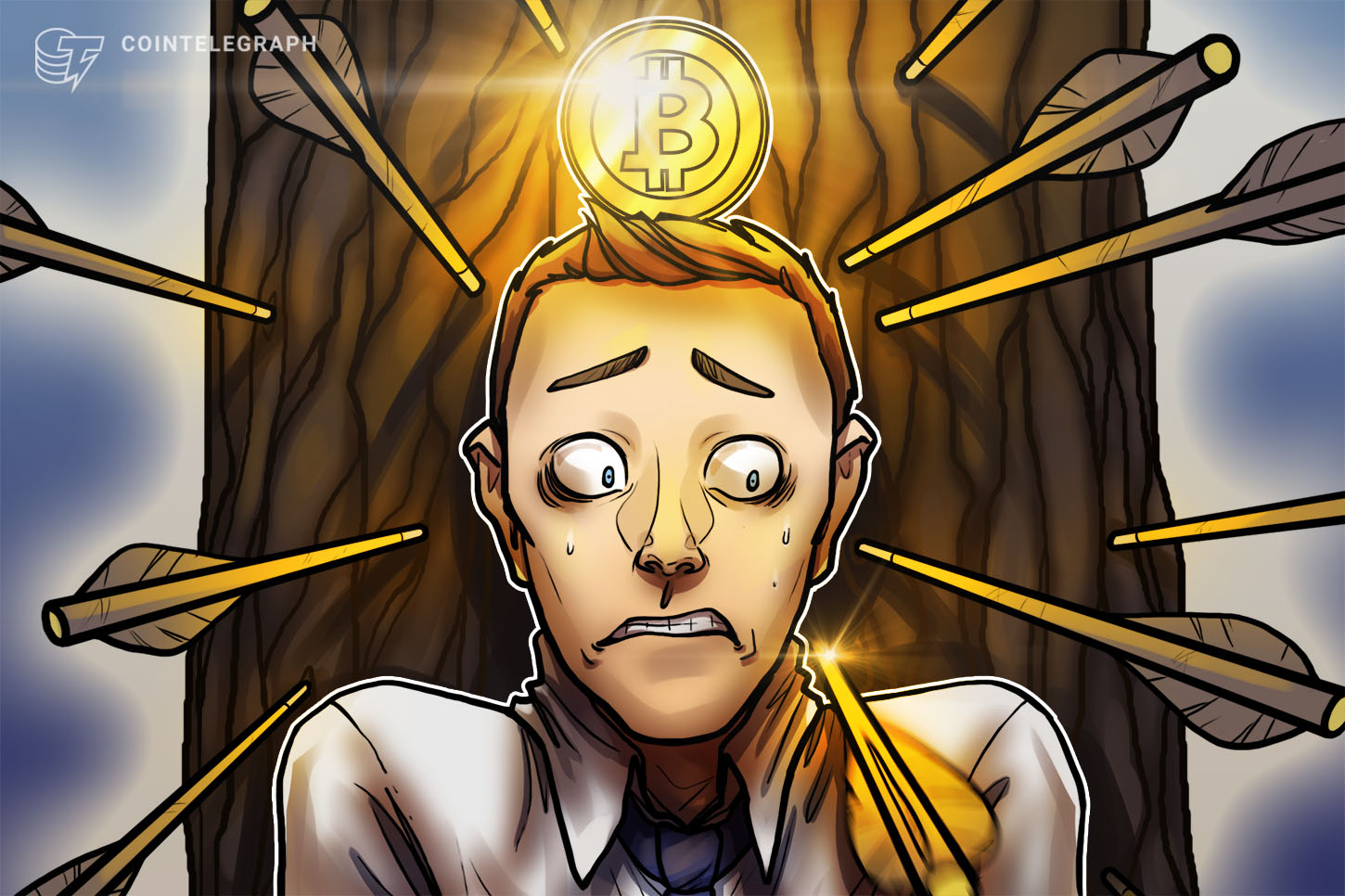
Robinhood cuts about 10% of staff as CEO Vlad Tenev says business “has never been stronger” despite weak Q1 trading. This report comes from CoinTeleg
Read Full Story at CoinTelegraph →The latest round of layoffs at Robinhood—amounting to roughly 10% of its workforce—paints a stark contrast between the company’s internal cost-cutting and its public-facing confidence. CEO Vlad Tenev’s insistence that the business “has never been stronger” despite a sluggish first-quarter trading environment underscores a troubling disconnect between perception and performance. For a fintech platform that once symbolized the democratization of stock trading, these cuts signal deeper structural challenges. Robinhood’s rapid growth during the pandemic was fueled by zero-commission trading and viral meme-stock rallies, but as market volatility subsides and retail trading volumes decline, the company’s reliance on high-frequency, commission-free activity faces existential pressure. The layoffs, while framed as a strategic pivot, also reflect the brutal math of a business model built on thin margins and high customer acquisition costs—especially when customer retention is shrinking. Behind the headlines lies a broader reckoning for neobrokers, many of which over-expanded during the trading boom of 2020-2021. Robinhood’s troubles are not unique; competitors like eToro and SoFi have also slashed jobs, while traditional brokerages face similar headwinds. The shift isn’t just cyclical—it’s structural. The post-pandemic normalization of trading volumes, combined with rising interest rates that reduce the appeal of cash-rich brokerages, has exposed the fragility of growth-at-all-costs strategies. Tenev’s upbeat rhetoric suggests a bet on future profitability through diversification—crypto, options, and international expansion—but these avenues come with their own regulatory and competitive hurdles. What remains uncertain is whether Robinhood can successfully navigate this transition without alienating its core user base or ceding ground to better-capitalized rivals. The company’s heavy losses in Q1, driven by falling transaction revenue and legal settlements, raise questions about its long-term viability. Investors, already skeptical of unprofitable tech disruptors, may demand more than optimistic soundbites. Meanwhile, regulators are watching closely as Robinhood doubles down on features like AI-driven trading tools—raising concerns about gamification and customer risk exposure. The next few quarters will reveal whether these cuts are a necessary correction or a sign of deeper systemic strain in the retail trading industry. For a company that once disrupted Wall Street, survival now depends on proving it can adapt—or risk becoming a cautionary tale of the fintech boom’s aftermath.




