Russia culls 1,000 bears after 22 deaths in 2023
Russia will cull or relocate up to 1,000 bears to address 22 human fatalities in 2023. This intervention targets climate-driven habitat loss and aims to balance conservation with public safety.
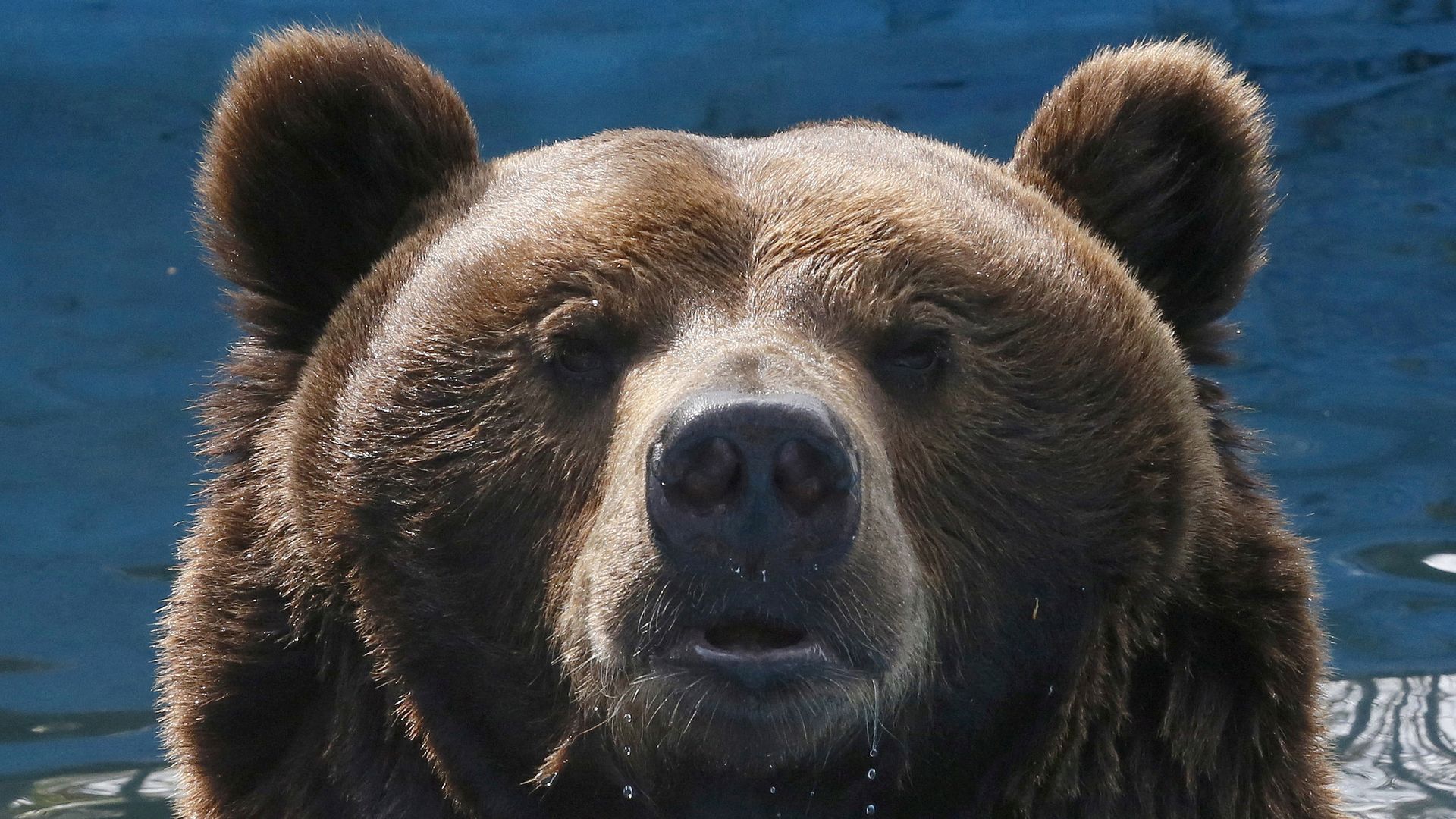
Russia has announced a new plan to reduce its brown bear population after at least 22 people were killed in attacks across the country’s eastern forests in 2023. The government will begin a coordinated program of bear removal, habitat management and public safety measures in the Siberian and Far‑Eastern regions by the end of the year.
The rise in bear attacks has been linked to shrinking natural food sources and more people moving into forested areas for timber and tourism. Climate change has pushed bears into human settlements as rivers freeze earlier and berry crops fail. In 2023 alone, authorities logged 22 fatal incidents, the highest number in a decade, and more than 30 non‑fatal attacks. The Ministry of Natural Resources and Ecology says the region hosts roughly 20,000 brown bears, many of which are now roaming closer to villages.
To curb the problem, officials will use a mix of culling and relocation. Field teams will capture up to 1,000 bears for sterilisation or transfer to protected reserves. The Ministry will also install electric fencing around key villages and increase ranger patrols. Local residents will receive free bear‑proof storage units and safety training. The plan has faced criticism from animal‑rights groups who argue that better food management could reduce conflict without killing bears. The government insists that the measures are necessary to protect human lives and will be monitored by independent wildlife scientists.
The next phase will involve a pilot program in the Khabarovsk region, where scientists will track the health of the bear population and human safety outcomes. If successful, the strategy could be rolled out across other parts of Russia. The initiative also aims to meet the country’s commitments under the Convention on Biological Diversity, balancing conservation with public safety. The outcomes will be reported to the federal government in early 2025, with adjustments made based on data and community feedback.
Read Full Story at Sky News →