Researchers discover blood protein signature predicting healthy aging
Researchers have identified a blood-based "protein signature" that can predict healthy aging by analyzing immune cells, revealing that a lower ratio of granzyme K-producing T cells to granzyme B-prod…
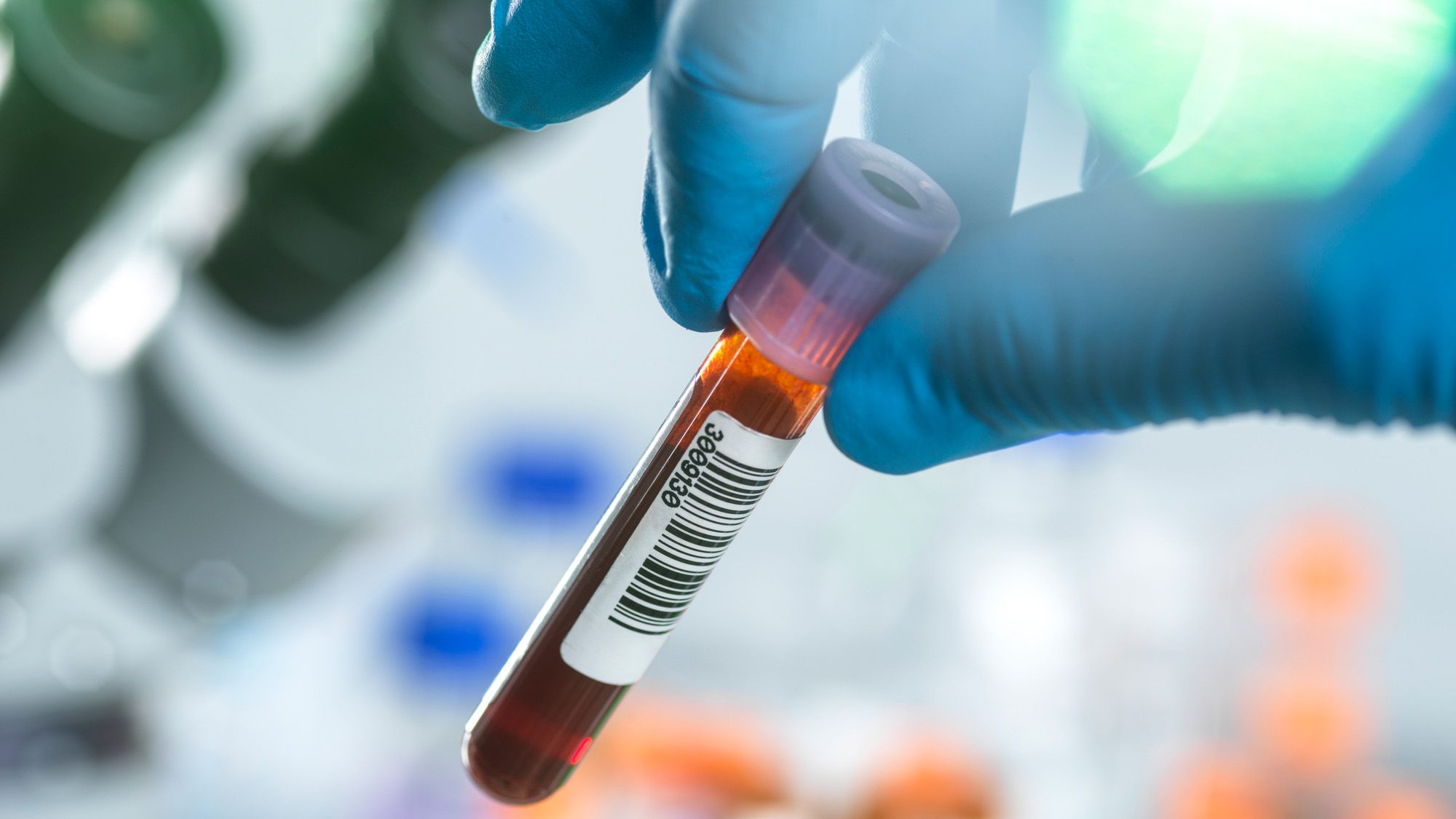
Scientists have discovered a blood‑based “protein signature” that may predict whether a person will age healthily or develop chronic disease. In a study published on Oct. 9 in the journal *Immunity*, researchers from Washington University and other institutions analyzed immune cells from more than 2,600 adults aged 18 to 97. They found that people with a lower ratio of granzyme K‑producing memory T cells to granzyme B‑producing cells were more likely to suffer from autoimmune disorders and other long‑term immune conditions.
The work builds on earlier findings that granzyme K‑producing cells accumulate in older mice and in the blood of elderly humans, where they are linked to inflammation. The new research added granzyme B to the mix and showed that a higher proportion of granzyme B‑producing cells correlates with poorer health. In a second phase, the team examined 329 participants for both immune cell types and circulating proteins, identifying a specific protein pattern that signals an abundance of granzyme B cells.
Using data from the UK Biobank, which includes health records for about 48,000 people, the scientists tested whether this protein signature could predict future disease. Those predicted to have high granzyme B levels faced worse outcomes over the next 17 years. They had a greater risk of death, diabetes, high blood pressure, and liver or kidney disease. The researchers suggest that measuring the granzyme K to granzyme B balance could become a simple blood test to gauge an individual’s aging trajectory.
If validated in larger studies, this test could help clinicians spot people at risk of age‑related illnesses early, allowing interventions before disease takes hold. It also opens new research avenues into how the immune system changes with age and why some people stay healthier longer. The findings hint at previously unknown biology in immune aging, offering a fresh target for future therapies and preventive strategies.
Read Full Story at Live Science →