Scientists reprogram brain immune cells to fight Alzheimer’s
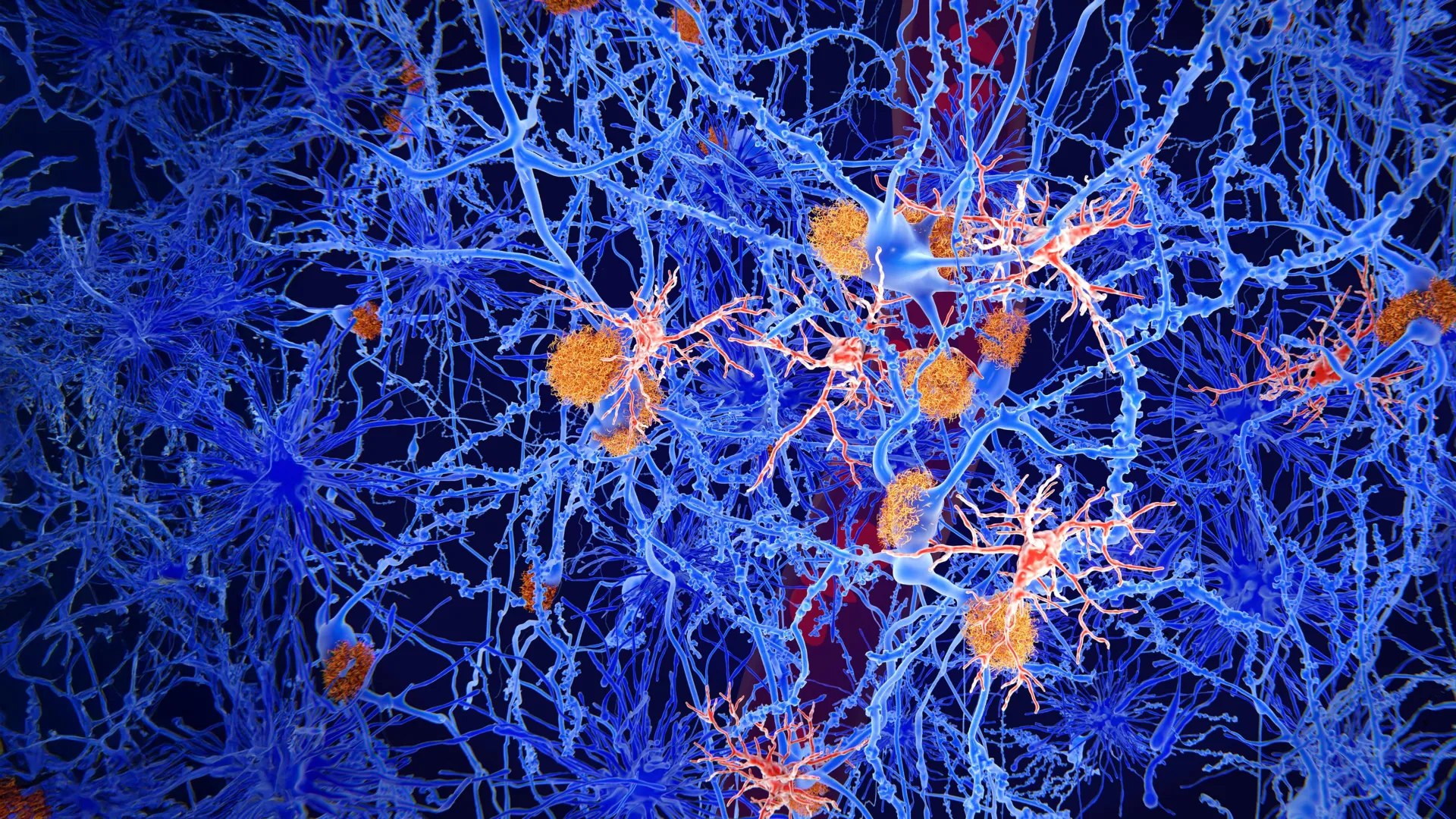
A newly identified molecule called OLE helped restore the brain’s immune cells to a more protective state in Alzheimer’s models. The treatment reduced toxic plaque buildup and improved memory, raising
ScienceDaily — 19 June 2026
Text:
10
0
0
A newly identified molecule called OLE helped restore the brain’s immune cells to a more protective state in Alzheimer’s models. The treatment reduced
Read Full Story at ScienceDaily →
⚡ Quickyla Analysis
Original editorial context — not sourced from the article above
The breakthrough in reprogramming brain immune cells to combat Alzheimer’s disease marks a pivotal shift in how researchers approach neurodegenerative disorders. While current treatments focus on managing symptoms, this study targets the root pathology by harnessing the brain’s own immune system—a strategy that could redefine therapeutic paradigms. Microglia, the brain’s resident immune cells, typically act as first responders to injury or infection, but in Alzheimer’s, they often become dysfunctional, failing to clear amyloid plaques and instead promoting inflammation. The discovery of OLE—a molecule capable of resetting these cells—suggests a previously untapped mechanism for disease modification. If replicable in humans, this approach could bridge the gap between symptom relief and actual disease reversal, a goal that has long eluded Alzheimer’s research.
The significance of this finding extends beyond Alzheimer’s alone. Neurodegenerative diseases share common threads, including chronic inflammation and immune dysregulation. OLE’s ability to "reprogram" immune cells hints at a broader therapeutic strategy applicable to Parkinson’s, multiple sclerosis, and even traumatic brain injury. Moreover, it challenges the long-held assumption that the brain’s immune system is inherently maladaptive in these conditions. Instead, it suggests that with the right molecular cues, microglia can be coaxed back into a protective state, much like a reset button for cellular behavior.
Yet critical questions remain. Will OLE prove effective in human trials, where the brain’s complexity far exceeds laboratory models? Could long-term use lead to unintended immune suppression elsewhere in the body? And how will this intersect with existing amyloid-targeting therapies, which have shown mixed results in clinical trials? The answers may hinge on whether OLE’s effects are durable or require continuous administration—a practical hurdle for a disease requiring lifelong management.
For now, this research offers a glimmer of hope in a field desperate for innovation. It underscores the growing recognition that Alzheimer’s is not just a proteinopathy but an immune disorder in disguise. If successful, OLE could pave the way for a new class of treatments that don’t just slow disease progression but actively restore cognitive function—a prospect that, for millions affected, would be nothing short of transformative.
Sources

🔬 Science
'Astonishing': James Webb telescope spots the most chemically primitive galaxy in the ancient universe

🔬 Science
El Niño Is Underway

🔬 Science
Astronomers gaze into the 'Crystal Ball Nebula' and see a vision of our dying sun — Space photo of the week

🔬 Science
Bacteria uncover distinct strategy to import rare sugar polymers, crystal structures show

🔬 Science
NASA Awards Contract for Johnson Space Center Infrastructure

🔬 Science
Repairing DNA damage: Scientists discover a surprising new benefit of melatonin

