🔬 Science
Live
SpaceX wants to build AI data centers in space. Will it work?
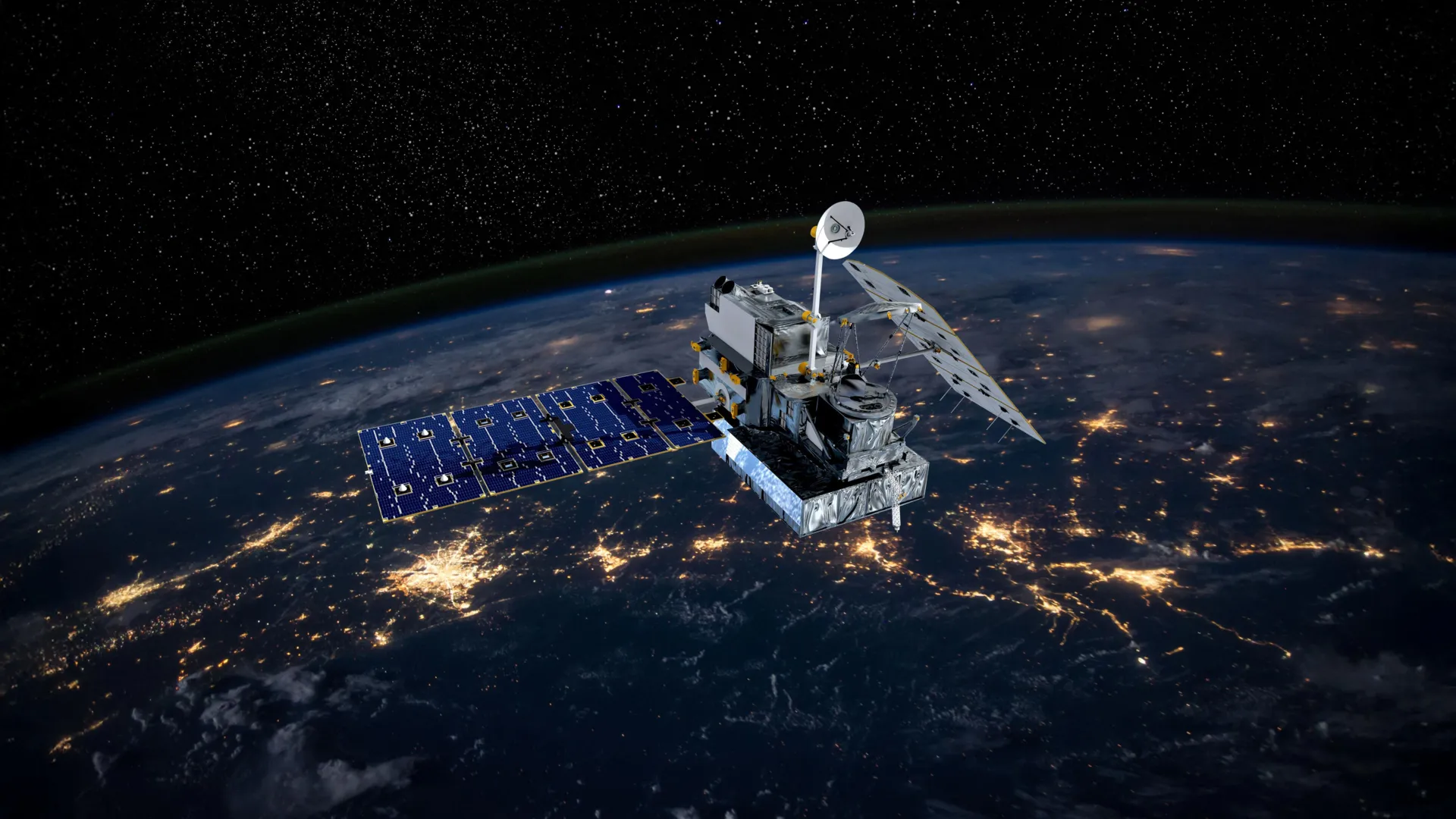
The race to build data centers in space is gaining momentum as AI drives unprecedented demand for computing power. Orbital facilities could tap into abundant solar energy and avoid many of the environ
ScienceDaily — 18 June 2026
Text:
8
0
0
The race to build data centers in space is gaining momentum as AI drives unprecedented demand for computing power. Orbital facilities could tap into a
Read Full Story at ScienceDaily →
⚡ Quickyla Analysis
Original editorial context — not sourced from the article above
The push to deploy data centers in space—led by SpaceX’s latest ambitions—reflects a high-stakes convergence of two megatrends: the surging energy demands of artificial intelligence and the limitations of terrestrial infrastructure. While the concept may sound like science fiction, it’s rooted in a decade of real-world experiments, including NASA’s early work on orbital computing and private sector tests like those conducted by startup Varda Space Industries. The core appeal is undeniable: space offers near-limitless solar energy without atmospheric interference, constant cooling in the void of space, and proximity to satellite networks that could reduce latency for time-sensitive AI tasks. For an industry wrestling with power consumption crises—data centers now account for about 1% of global electricity use—off-world facilities could be a game-changer, especially as AI models grow exponentially larger and more energy-intensive.
Yet the challenges are formidable. Radiation, microgravity’s effects on hardware longevity, and the sheer cost of launching and maintaining orbital infrastructure pose existential hurdles. SpaceX’s proposal, reportedly tied to its Starshield program, suggests a modular approach—smaller, distributed facilities rather than monolithic server farms—might mitigate some risks. But even optimized designs would require breakthroughs in radiation shielding, autonomous repair systems, and perhaps most critically, a dramatic reduction in launch costs. The economics here are speculative: while solar power in space is abundant, transmitting energy back to Earth or powering local processing remains unproven at scale.
Politically and economically, this trend also raises questions about who controls off-world data infrastructure. If SpaceX or other private entities dominate, it could entrench new forms of digital sovereignty, where access to AI workloads depends on orbital real estate. Meanwhile, nations like China and the EU are quietly investing in similar projects, signaling a potential space-based arms race—not for weapons, but for computational supremacy.
The timeline is hazy. Early iterations might emerge as small-scale experiments within a decade, but full-scale operations could take much longer. What’s clear is that the conversation around AI’s environmental footprint is no longer confined to Earth. The race to build data centers in space may soon determine whether the next frontier of computing is a satellite… or a stranded idea.
Sources

🔬 Science
'Astonishing': James Webb telescope spots the most chemically primitive galaxy in the ancient universe

🔬 Science
El Niño Is Underway

🔬 Science
Astronomers gaze into the 'Crystal Ball Nebula' and see a vision of our dying sun — Space photo of the week

🔬 Science
Bacteria uncover distinct strategy to import rare sugar polymers, crystal structures show

🔬 Science
NASA Awards Contract for Johnson Space Center Infrastructure

🔬 Science
Repairing DNA damage: Scientists discover a surprising new benefit of melatonin

