Starmer is stepping down - what could happen next?
Sir Keir Starmer has announced his resignation as Labour leader, heralding the end of his time in 10 Downing Street. He has said he will stay on as UK prime minister until his successor is in place.
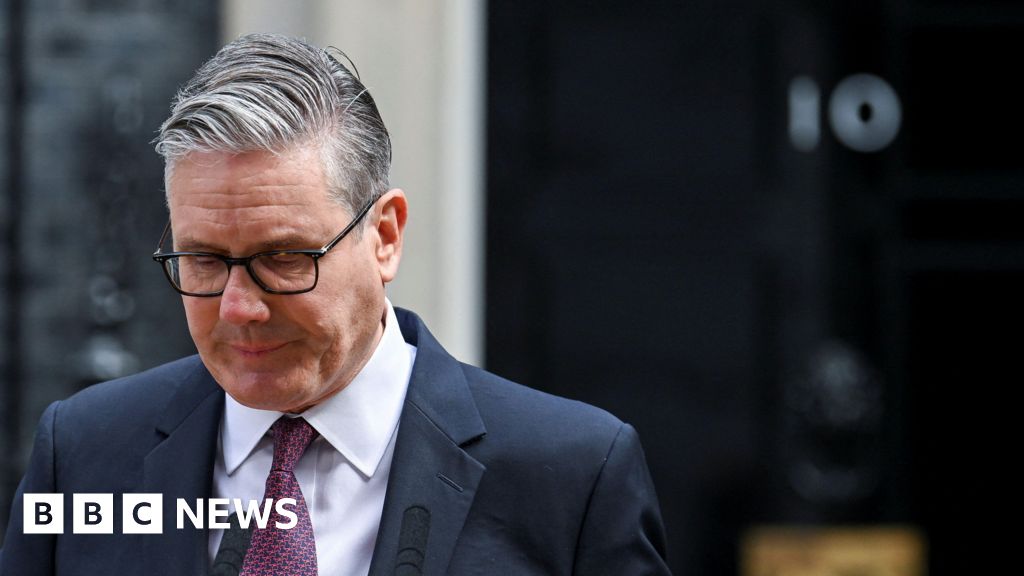
Sir Keir Starmer has announced his resignation as Labour leader, heralding the end of his time in 10 Downing Street. He has said he will stay on as U
Read Full Story at BBC Politics →Why This Matters
Sir Keir Starmer’s resignation as Labour leader marks the most abrupt political transition in modern British history, disrupting a premiership that had only just begun to define its legacy. The move upends Labour’s carefully constructed narrative of stability and risks plunging the party into a period of introspection at a time when the country faces profound economic and geopolitical challenges.
Background Context
Starmer’s tenure, though brief, was defined by a cautious approach to governance, rejecting the radicalism of his predecessor while struggling to articulate a compelling vision for post-Brexit Britain. His departure echoes the fate of other Labour leaders who, despite electoral success, fell victim to internal party dynamics that prioritised ideological purity over governance. The resignation also underscores the fragility of any mandate in Westminster’s current climate, where public trust in institutions has eroded sharply.
What Happens Next
A leadership contest will likely spark a divisive debate over Labour’s direction, with ideological factions—from soft left to centrist technocrats—battling to shape the party’s future. The timing is perilous, as a divided Labour Party could embolden a resurgent Conservative opposition or even fringe movements capitalising on voter disillusionment. Meanwhile, the civil service will brace for another period of policy drift, testing its ability to maintain continuity amid political upheaval.
Bigger Picture
Starmer’s exit reflects a broader trend of political volatility in Western democracies, where leaders face mounting pressure from both electorates and party elites to deliver rapid results. It also highlights the growing disconnect between electoral success and governance stability, as Westminster’s traditional power structures struggle to adapt to an era of instant feedback and volatile public sentiment.








