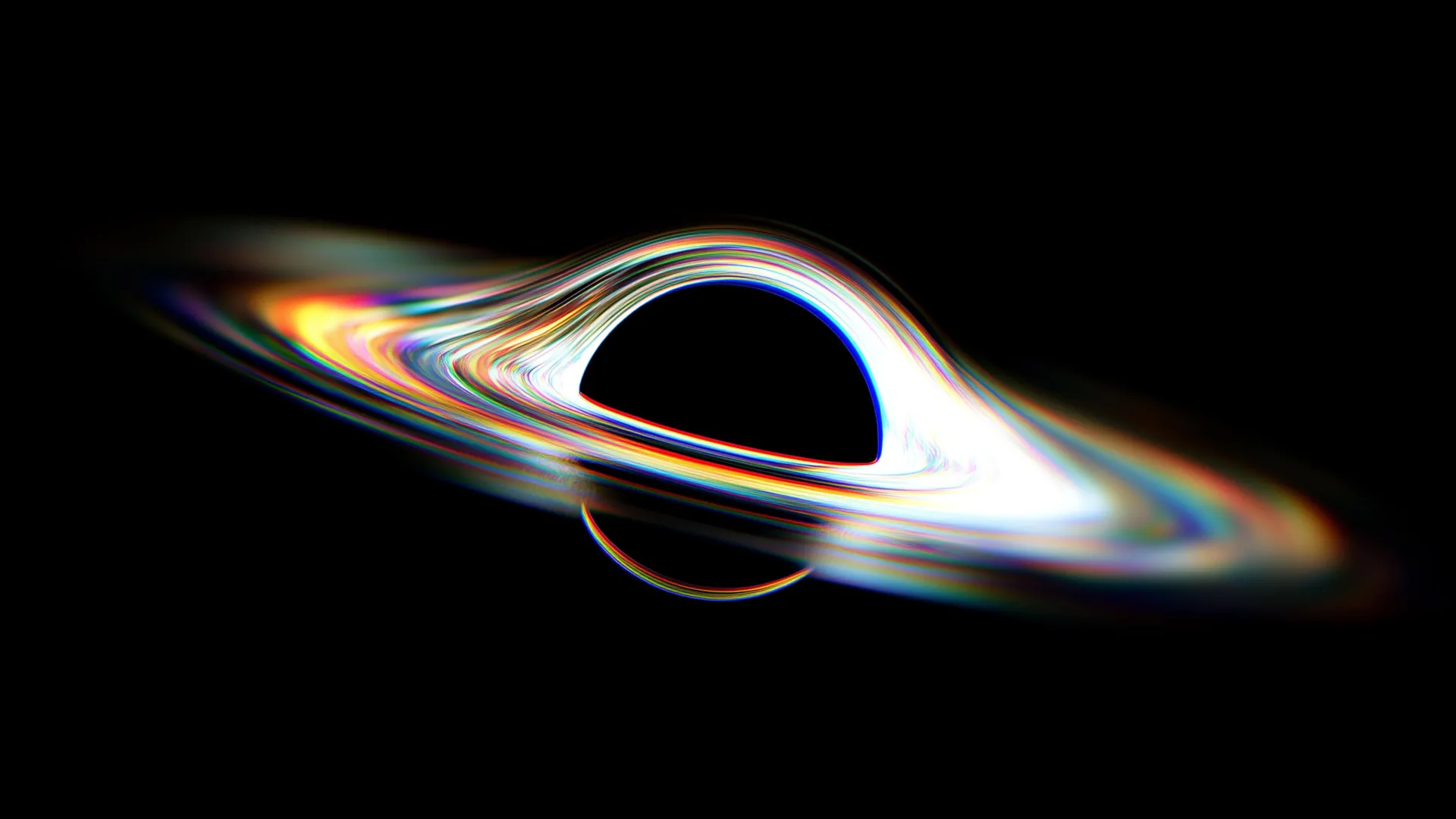
Study suggests life on Earth has around 1.8 billion years left — but the biosphere might evolve to survive even longer
Using complex climate models, researchers have pinned down the point at which life will no longer be able to survive on Earth.
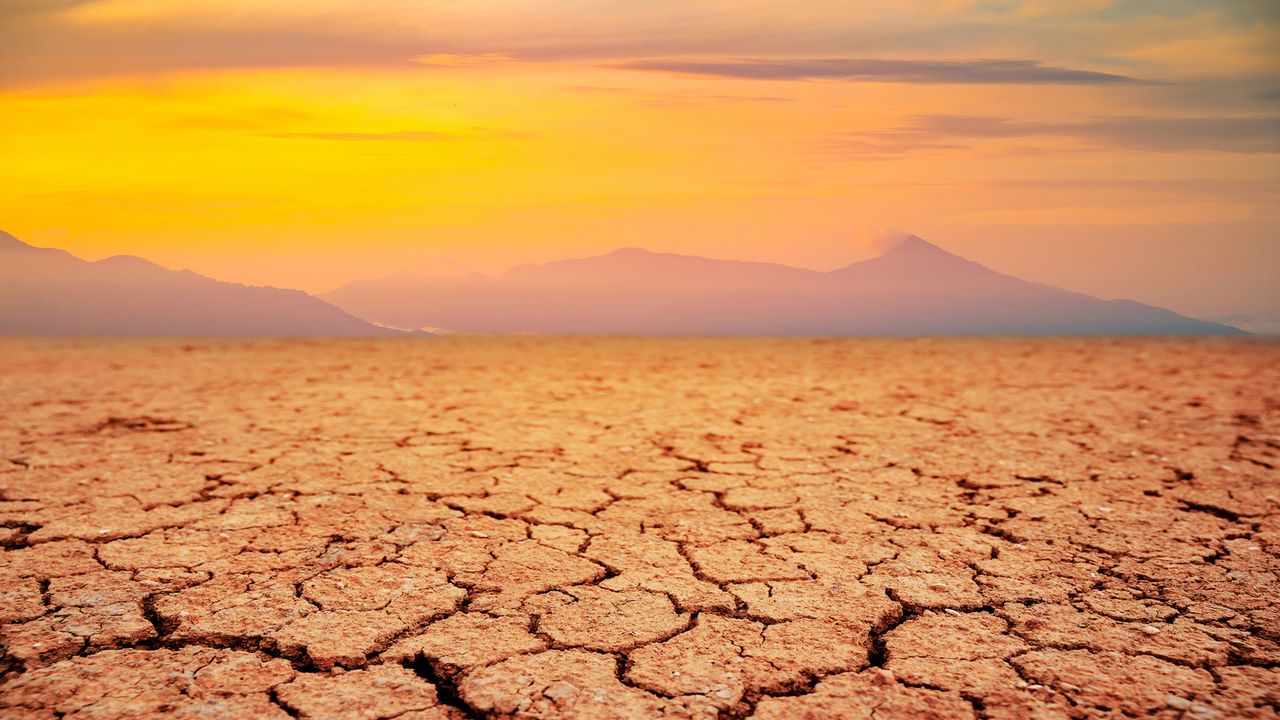
Using complex climate models, researchers have pinned down the point at which life will no longer be able to survive on Earth.
Read Full Story at Live Science →Why This Matters
The study isn’t just another doomsday prophecy—it reframes Earth’s habitability as a finite but adjustable timeline. By quantifying the sun’s inexorable brightening as the primary driver of biosphere collapse, researchers remind us that planetary life is governed by cosmic cycles, not just human activity. This work underscores how fragile our existence is in the grand scheme, while also hinting that life may find ways to persist in unexpected forms, challenging our assumptions about what "survival" entails.
Background Context
For decades, scientists have debated the timeline of Earth’s habitable window, with estimates ranging from hundreds of millions to billions of years. Early models often overlooked the role of Earth’s geochemical feedbacks—like weathering rates and atmospheric oxygen levels—that could temporarily delay the heat death of the biosphere. The new findings build on these refinements, using advanced climate models to narrow the window, but they also revive questions about whether future civilizations (or non-human life) could adapt through technological or evolutionary means.
What Happens Next
The research suggests humanity has roughly 1.8 billion years to confront existential risks beyond climate change—though the study’s authors emphasize that the biosphere’s fate isn’t sealed. Open questions remain, such as how quickly ocean evaporation will accelerate or whether extremophile organisms could dominate later stages of Earth’s habitability. For policymakers, the takeaway is clear: while long-term planning is impossible, the study serves as a stark reminder to prioritize resilience in everything from agriculture to space exploration.
Bigger Picture
This research fits into a broader pattern of "deep time" studies that challenge our anthropocentric view of Earth’s future. It parallels work on exoplanet habitability, where astronomers now consider not just the presence of water but the longevity of a planet’s biosphere. The findings also align with emerging theories about how life might "hop" between worlds or subsist in extreme environments, suggesting that Earth’s endgame could be a prologue for life elsewhere in the universe.