Supreme Court rejects Trump’s push to end birthright citizenship
President Trump is slamming a Supreme Court decision that blocked his attempt to end automatic citizenship for the children of undocumented immigrants born in the U.S. NBC News’ Laura Jarrett reports.
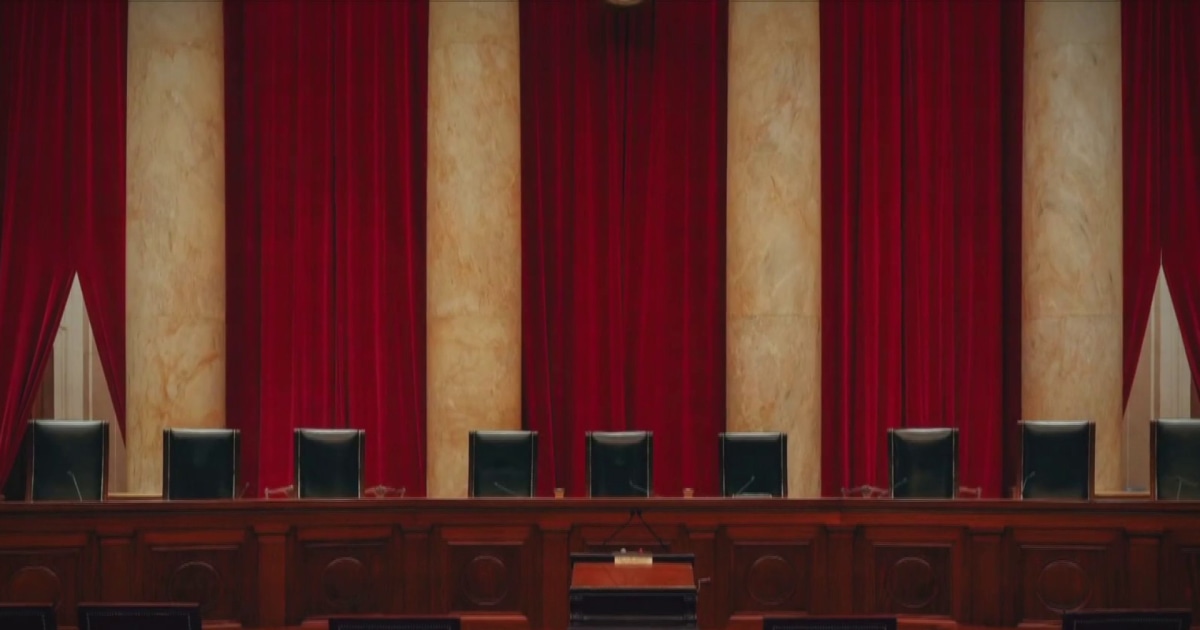
President Trump is slamming a Supreme Court decision that blocked his attempt to end automatic citizenship for the children of undocumented immigrants
Read Full Story at NBC News →Why This Matters
The Supreme Court’s rejection of Trump’s attempt to end birthright citizenship underscores the enduring constitutional guardrails on immigration policy. It signals that even a president with aggressive executive ambitions cannot unilaterally rewrite bedrock legal principles, particularly those tied to the 14th Amendment. The decision also sets a precedent that could influence future litigation on immigration enforcement, reinforcing the judiciary’s role as a check on executive overreach.
Background Context
Birthright citizenship, established by the 14th Amendment in 1868, has been a cornerstone of U.S. immigration law for over a century. The clause—“all persons born or naturalized in the United States, and subject to the jurisdiction thereof, are citizens”—was historically designed to protect freed slaves and their descendants after the Civil War. Yet its interpretation has long been contested, with opponents arguing it incentivizes illegal immigration and supporters framing it as a non-negotiable pillar of American identity.
What Happens Next
Trump’s allies may now pivot to legislative or administrative strategies to challenge birthright citizenship, including pushing for a constitutional amendment or exploiting loopholes in federal enforcement. Meanwhile, immigrant rights groups will likely double down on legal defenses, while conservative legal scholars could explore alternative legal theories to restrict citizenship eligibility. The ruling also raises questions about how future presidential administrations might attempt to circumvent the decision through regulatory or enforcement tactics.
Bigger Picture
This decision reflects a broader judicial pushback against immigration policies that circumvent constitutional or statutory constraints. It also highlights the persistent polarization over citizenship rights, where symbolic battles often overshadow practical solutions. As the U.S. grapples with rising immigration debates, the ruling serves as a reminder that fundamental legal protections—once established—are difficult to dismantle without overwhelming evidence or consensus.





