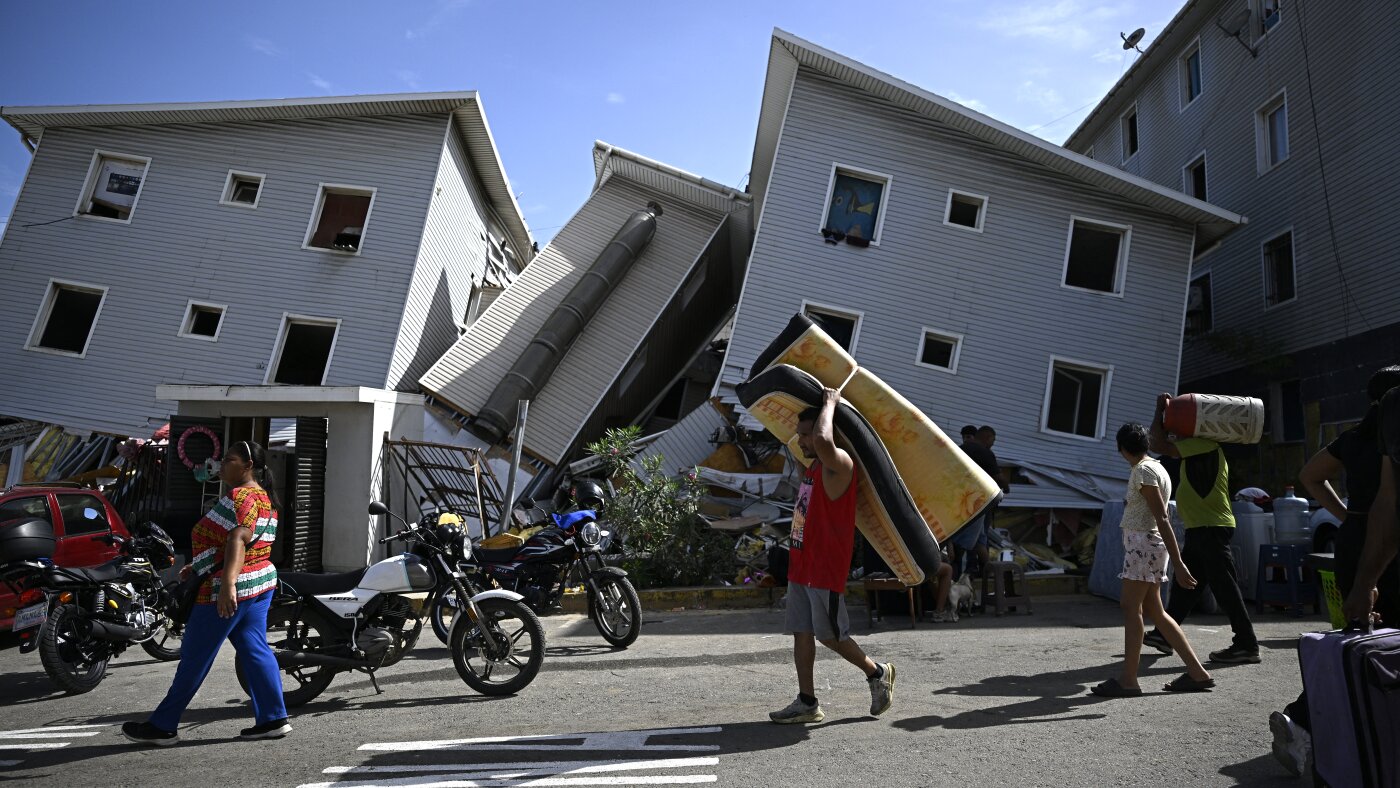
Tehran fires missiles at Bahrain and Kuwait
U.S. strikes on Iran destroyed air defenses and boats after Tehran attacked ships and U.S. bases in Bahrain and Kuwait. Escalating violence threatens fragile talks on the Strait of Hormuz and Iran’s n
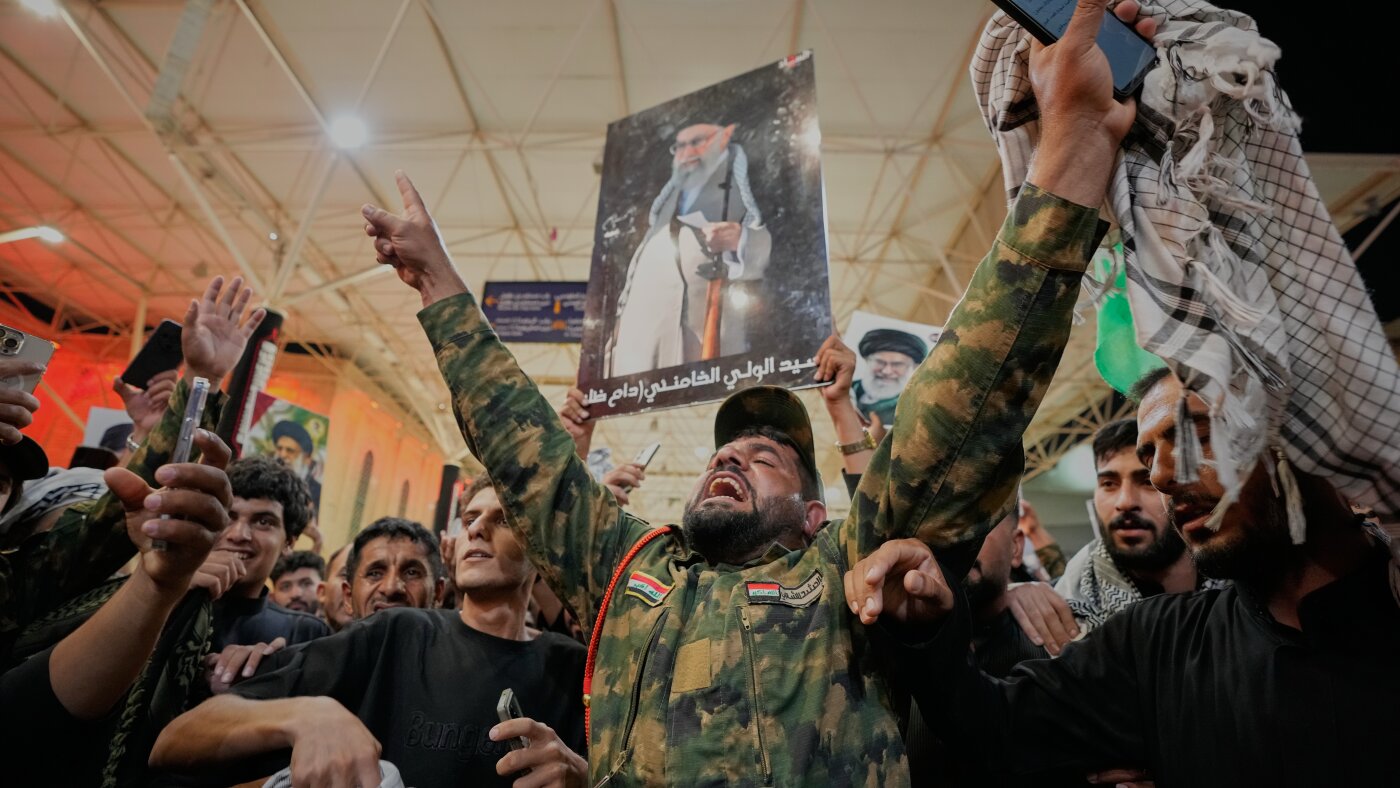
The U.S. military launched strikes against Iran early Wednesday after Tehran attacked three ships in the Strait of Hormuz, escalating tensions in the
Read Full Story at NPR News →Why This Matters
The latest escalation underscores how the shadow war between Iran and the U.S. has expanded beyond proxy conflicts into direct strikes on sovereign Gulf states. The targeting of Bahrain and Kuwait—both U.S. allies hosting critical military infrastructure—risks redefining the region’s security calculus, particularly around the Strait of Hormuz, where 20% of global oil passes. The strikes also signal a dangerous shift from deniable attacks to overt military confrontation.
Background Context
Bahrain and Kuwait have long balanced relations with Iran despite historical tensions, serving as neutral ground for regional diplomacy. The U.S. has maintained a military presence in both countries for decades, with Bahrain hosting the Fifth Fleet and Kuwait as a key logistics hub for operations in Iraq and Syria. Iran’s military doctrine has historically relied on asymmetric tactics, but the direct strikes suggest a new willingness to escalate conventionally.
What Happens Next
The immediate risk lies in whether Iran’s retaliatory strikes remain limited to symbolic targets or escalate further, potentially drawing in Gulf Cooperation Council states. Diplomatic channels may harden as both sides harden their positions, while regional actors like Saudi Arabia and the UAE weigh their responses. The fate of nuclear negotiations could hinge on whether this confrontation derails broader stabilization efforts.
Bigger Picture
The pattern reflects a broader trend of Iran’s military probing U.S. red lines, testing the limits of deterrence while avoiding outright war. The strikes also highlight how the Strait of Hormuz has become a flashpoint for proxy and direct conflicts, with global energy markets increasingly vulnerable to disruption. As Gulf states diversify alliances, the region’s security architecture may fracture along new fault lines.