Trump proposes changes to Endangered Species Act, citing Scalia's dissent
President Trump proposed changes to the Endangered Species Act, shifting decision-making to states and requiring cost-benefit analyses before species protection, citing a 1995 dissent by Justice Scal…
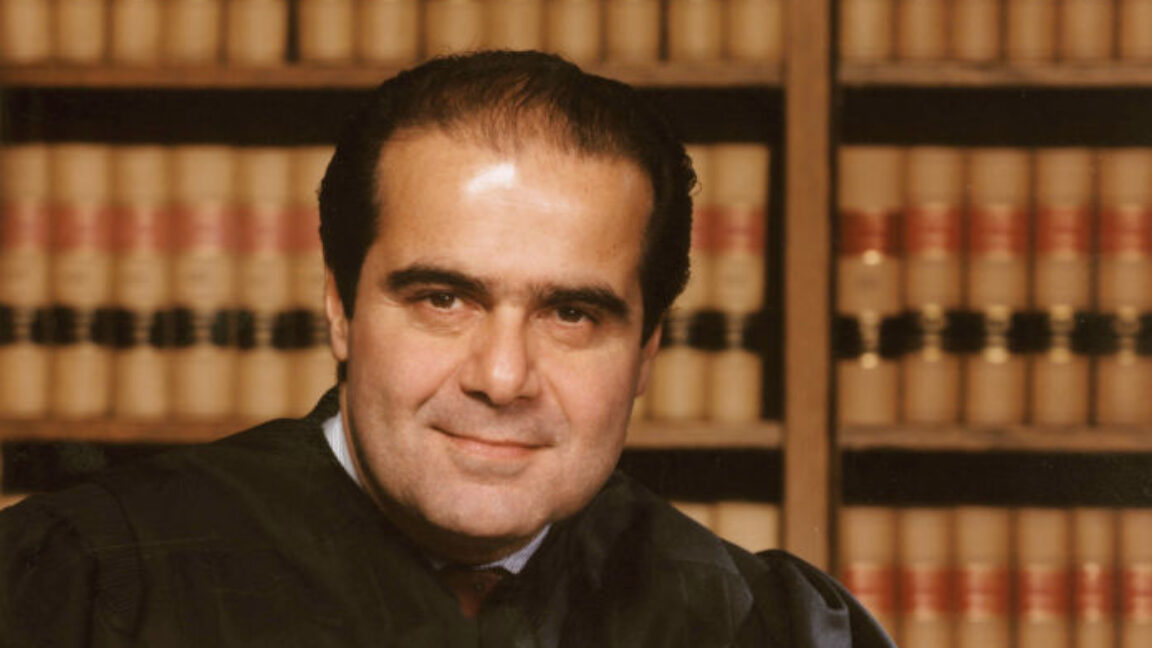
President Donald Trump on Monday unveiled a proposal to gut the Endangered Species Act, citing a 1995 dissent by the late Justice Antonin Scalia that warned against federal overreach in wildlife protection. The plan would shift most decision‑making to the states, limit the ability to list new species, and require a cost‑benefit analysis before any protective action is taken.
The Endangered Species Act, passed in 1973, has helped pull dozens of animals and plants back from the brink of extinction, but critics say it imposes costly limits on land development and resource use. Trump’s move follows a string of recent rollbacks of environmental rules, including the weakening of the Waters of the United States definition and looser standards for mining permits. Scalia’s dissent, written in the 1995 *Sierra Club v. Morton* case, argued that agencies lack authority to protect species unless Congress gives them a clear mandate. Administration officials say the dissent justifies scaling back the federal role and giving states more control.
Conservation groups such as Defenders of Wildlife called the proposal “a direct assault on America’s biodiversity” and warned that iconic species like the gray wolf, the Hawaiian monk seal and several threatened fish could lose critical protections. Republican governors praised the shift, saying it will let them balance economic growth with local wildlife needs. The plan will be sent to the Department of the Interior for rulemaking, with a 60‑day public comment period before new regulations can be issued. Legal challenges are expected, as the ESA has survived multiple court battles and the Supreme Court has not yet ruled on the Scalia argument. The outcome will shape how the United States balances development and conservation for years to come.
Read Full Story at Ars Technica →