UK government projects aviation emissions will exceed estimates by 50% by 2050.
The UK government announced that aviation emissions are projected to be 50% higher than previously estimated by 2050, jeopardizing climate goals. This revision highlights delays in developing electri…
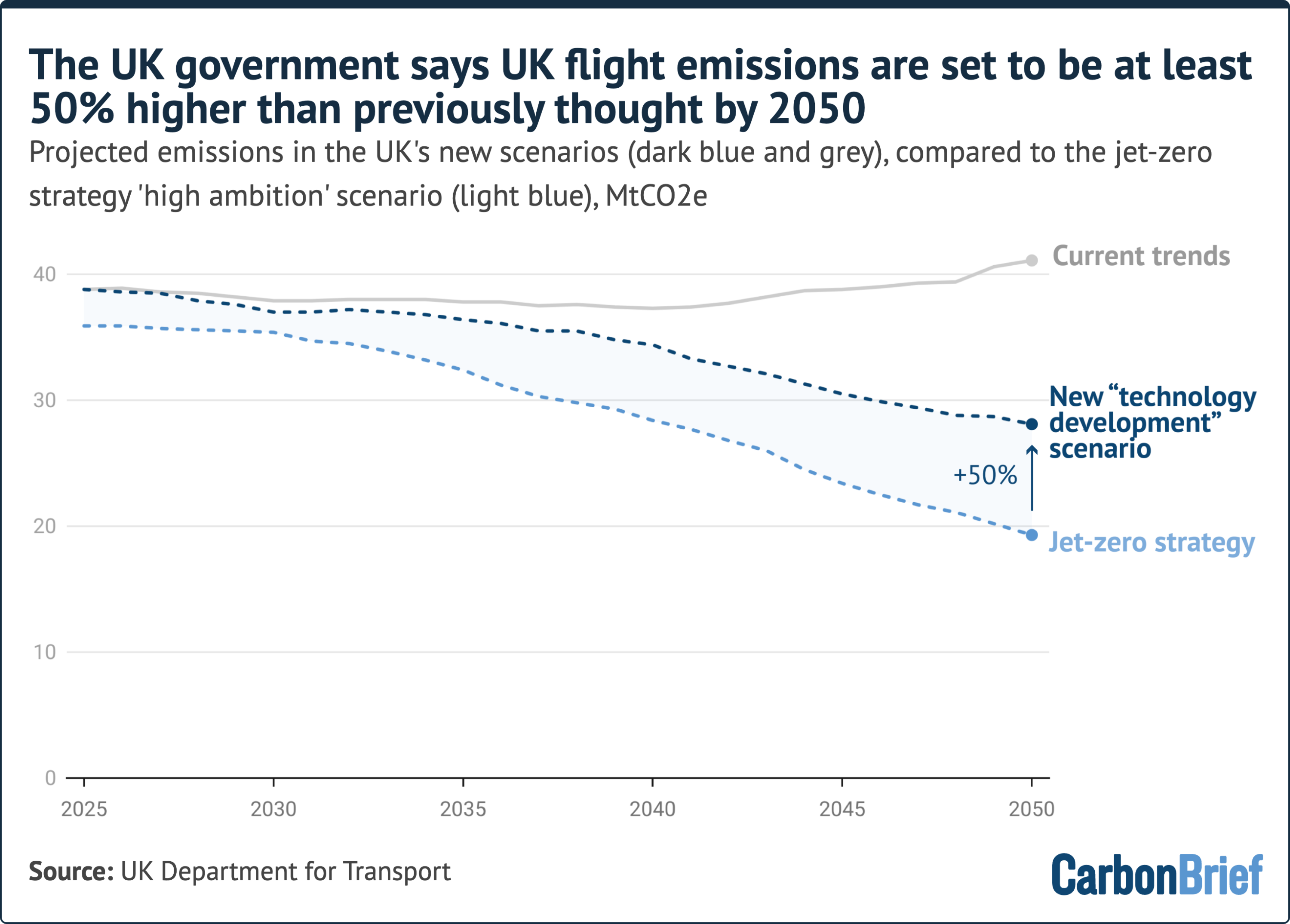
The UK government announced that aviation emissions will likely be 50% higher than previously estimated by 2050, prompting concerns over the country's climate goals. This revelation came as officials acknowledged setbacks in the development of electric planes and sustainable aviation fuels (SAFs), which were seen as key components in reducing the sector's carbon footprint.
The announcement is particularly significant as the UK has been a leader in climate action, committing to net-zero emissions by 2050. The aviation industry, which contributes nearly 8% of the country's greenhouse gas emissions, was expected to play a crucial role in achieving this target. However, recent assessments have revealed that technological advancements in electric flight and SAFs have not progressed as swiftly as anticipated. These developments are critical for decarbonizing air travel, which has remained one of the hardest sectors to address in terms of emissions.
Industry experts have expressed disappointment over the government's revised projections. The previous optimism surrounding electric planes and SAFs stemmed from advancements in battery technology and biofuel production. With the acknowledgment of higher emissions, the aviation sector now faces increased scrutiny and pressure to innovate. The government is under pressure to ensure that its climate commitments are not undermined, and stakeholders are calling for immediate action to bolster research and investment in greener technologies.
Looking ahead, the government will need to reassess its strategies for reducing aviation emissions. This includes exploring regulatory measures, financial incentives, and partnerships with private companies to foster innovation. The aviation sector must adapt to this new reality to align with the UK’s broader climate objectives. If not addressed, the gap between emissions projections and targets could hinder the UK’s reputation as a climate leader and affect its commitments on the global stage.
Read Full Story at Carbon Brief →