US CBDC ban to go into effect without Trump signoff on housing bill
Donald Trump confirmed on social media that he would not sign the 21st Century ROAD to Housing Act, which includes a ban on a US CBDC until the end of 2030, setting the stage for the bill to become la
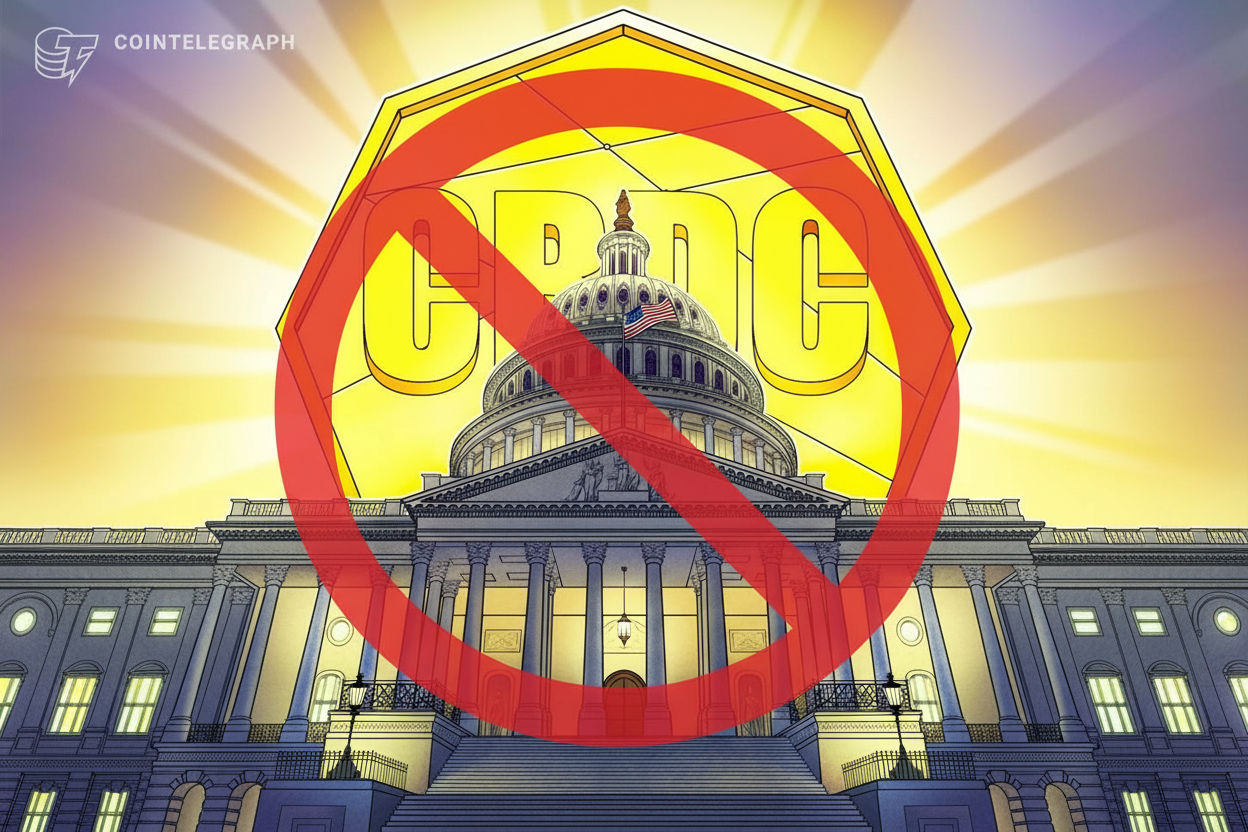
Donald Trump confirmed on social media that he would not sign the 21st Century ROAD to Housing Act, which includes a ban on a US CBDC until the end of
Read Full Story at CoinTelegraph →Why This Matters
The potential ban on a U.S. central bank digital currency (CBDC) marks a pivotal moment in the country's monetary policy trajectory, signaling a broader ideological divide over the role of digital currency in modern finance. As global competitors accelerate CBDC development, this decision could reshape America's financial infrastructure—or leave it playing catch-up in a race that’s already well underway.
Background Context
Central bank digital currencies have gained traction worldwide, with nations like China piloting digital yuan transactions and the European Central Bank exploring a digital euro. Meanwhile, U.S. lawmakers have remained divided, with some advocating for innovation and others citing privacy concerns over government-controlled digital money.
What Happens Next
Without Trump’s signature, the CBDC ban embedded in the housing bill will take effect automatically, forcing the Federal Reserve to reconsider its digital currency strategy—or seek alternative legislative paths. The move could also prompt private-sector financial institutions to double down on blockchain-based solutions, potentially sidelining the Fed in the long term.
Bigger Picture
This decision reflects a growing skepticism toward centralized digital currencies in the U.S., even as decentralized cryptocurrencies and stablecoins continue to proliferate. It underscores a tension between traditional financial institutions and emerging digital finance, one that could redefine monetary sovereignty in the coming decade.