US-Iran: Reported peace deal sparks both relief and anger
Top US and Iranian officials are due to fly to Switzerland this week and sign a framework authorizing "the immediate and permanent termination of military operations on all fronts," according to Pakistani Prime Minister Shehbaz Sharif. The official ceremony is scheduled for Frid
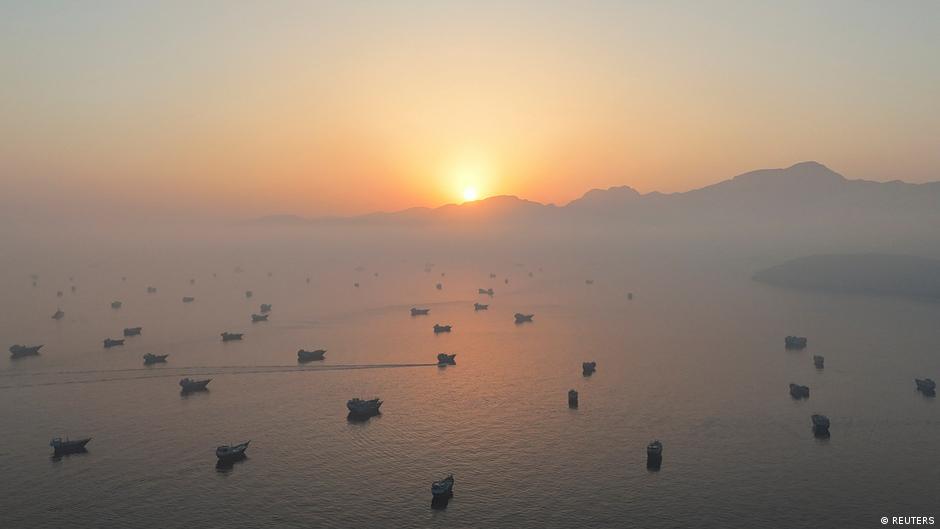
Top US and Iranian officials are due to fly to Switzerland this week and sign a framework authorizing "the immediate and permanent termination of military operations on all fronts," according to Pakistani Prime Minister Shehbaz Sharif.
US President Donald Trump echoed Sharif's announcement this weekend, saying a deal to end the war had been reached . Iranian officials signaled cautious support but stopped short of fully embracing all reported details.
To view this video please enable JavaScript, and consider upgrading to a web browser that supports HTML5 video
It's worth noting that Trump's previous outpourings of optimism repeatedly ended in disappointment , and the latest peace proposal may also fail before ever reaching the signing stage in Switzerland.
Many of its alleged terms remain unclear and politically contested, and even if Tehran and Washington verify it on Friday, the framework reportedly leaves crucial questions — including the dispute over Iran's nuclear program — to be resolved in the 60 days following the signing ceremony.
US and Iranian sources have given competing narratives of what the agreement actually contains. Iranian semi-official and allied media circulated what they described as a 14-point draft memorandum, including an end to fighting across all fronts, the reopening of the Strait of Hormuz within 30 days , partial sanctions relief, access to frozen Iranian funds and two months of follow-up negotiations focused on the nuclear issue and sanctions. These details have not been independently verified.
Iranian state television treated the announcement as a diplomatic success. Iranian hard-liners, however, moved quickly to attack the deal, arguing that it gives away leverage without securing enough in return. Ultraconservative critics see the arrangement as an unacceptable climbdown, while government supporters insist it preserves core red lines and prevents a wider disaster.
Iranian Foreign Minister Abbas Araqchi recently urged media outlets not to speculate about the contents of the memorandum while the process was still underway. Trump reposted Araqchi's message on social media and described it as "very positive," reinforcing the impression that both sides wanted to signal positive momentum without fully disclosing the final text.






