US-Iran Talks Postponed as JD Vance Cancels Trip to Switzerland
Vice President JD Vance canceled plans to travel to Switzerland to meet with Iranian negotiators for the next round of peace talks. The abrupt cancellation comes after President Donald Trump signed a
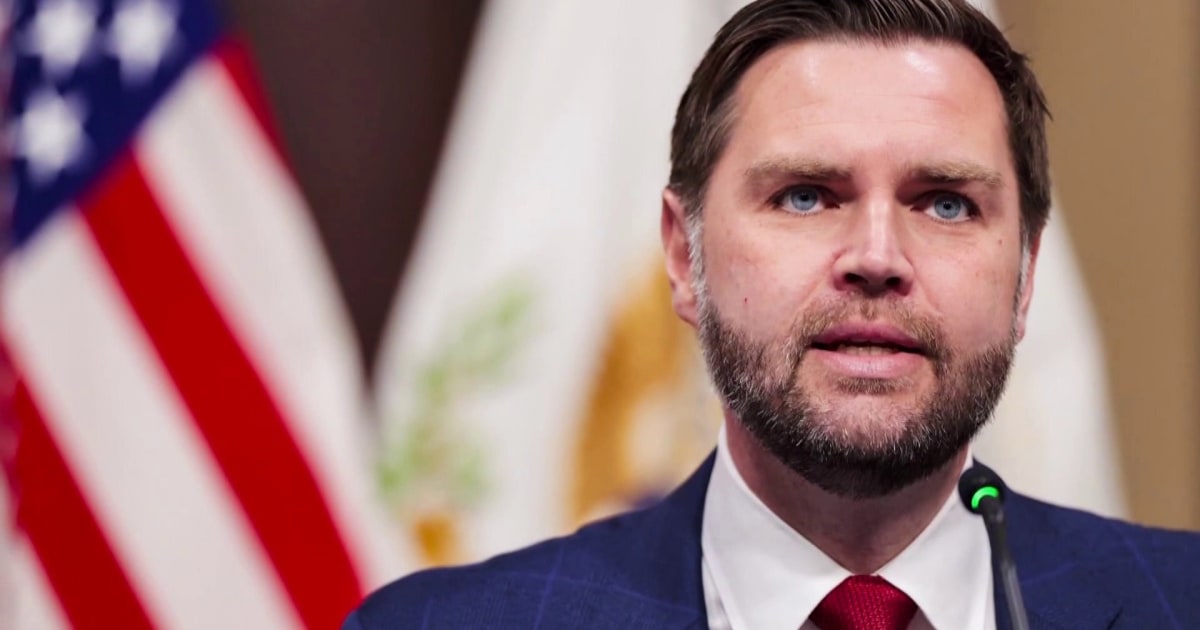
Vice President JD Vance canceled plans to travel to Switzerland to meet with Iranian negotiators for the next round of peace talks. The abrupt cancell
Read Full Story at NBC News →The postponement of US-Iran talks following JD Vance’s sudden cancellation of his trip to Switzerland underscores the fragility of diplomatic efforts between Washington and Tehran, even as both sides have signaled a tentative willingness to engage. Vance’s absence—likely tied to shifting priorities within the Trump administration—sends a clear signal that the White House is recalibrating its approach, possibly prioritizing domestic political considerations or hardening its stance on negotiations. This move comes at a precarious moment, as regional tensions remain high and Iran’s nuclear program continues to advance, raising urgent questions about whether stalled diplomacy will exacerbate or mitigate risks of escalation. The broader significance of this development lies in its timing. Iran has long insisted on direct negotiations with the US to revive the 2015 nuclear deal, while the Trump administration has oscillated between aggressive "maximum pressure" tactics and sporadic openness to dialogue. Vance’s cancellation, whether strategic or improvisational, risks reinforcing perceptions in Tehran that Washington is either unreliable or uninterested in substantive concessions. Iran’s leadership, already skeptical of American intentions, may interpret this as a sign that the US is more inclined toward confrontation than compromise—a dynamic that could push Tehran toward further nuclear expansion or deeper ties with adversaries like Russia and China. What happens next remains uncertain. If the talks are merely delayed, the administration may seek to re-engage after internal deliberations, but the optics of cancellation—especially from a vice president known for his hawkish views—could embolden hardliners in Iran to dismiss diplomacy entirely. Alternatively, the US may opt for a more confrontational path, leveraging economic leverage or military deterrence to pressure Iran into concessions. Either way, the episode highlights the narrow window for negotiation and the high stakes of miscalculation in a region already on edge. This episode also reflects a broader trend in Trump’s foreign policy: a preference for transactional, high-pressure approaches over sustained diplomatic engagement. As the administration grapples with how to manage Iran without reviving the nuclear deal or triggering a wider conflict, the cancellation of Vance’s trip suggests that strategic patience is in short supply—raising the risk of unintended consequences in an already volatile landscape.





