U.S.-Iran talks postponed as Vance cancels trip and Israel intensifies strikes in southern Lebanon
The first peace talks between the United States and Iran were postponed Friday, as Vice President JD Vance cancelled his planned travel to Switzerland and intense new Israeli strikes in Lebanon cast d
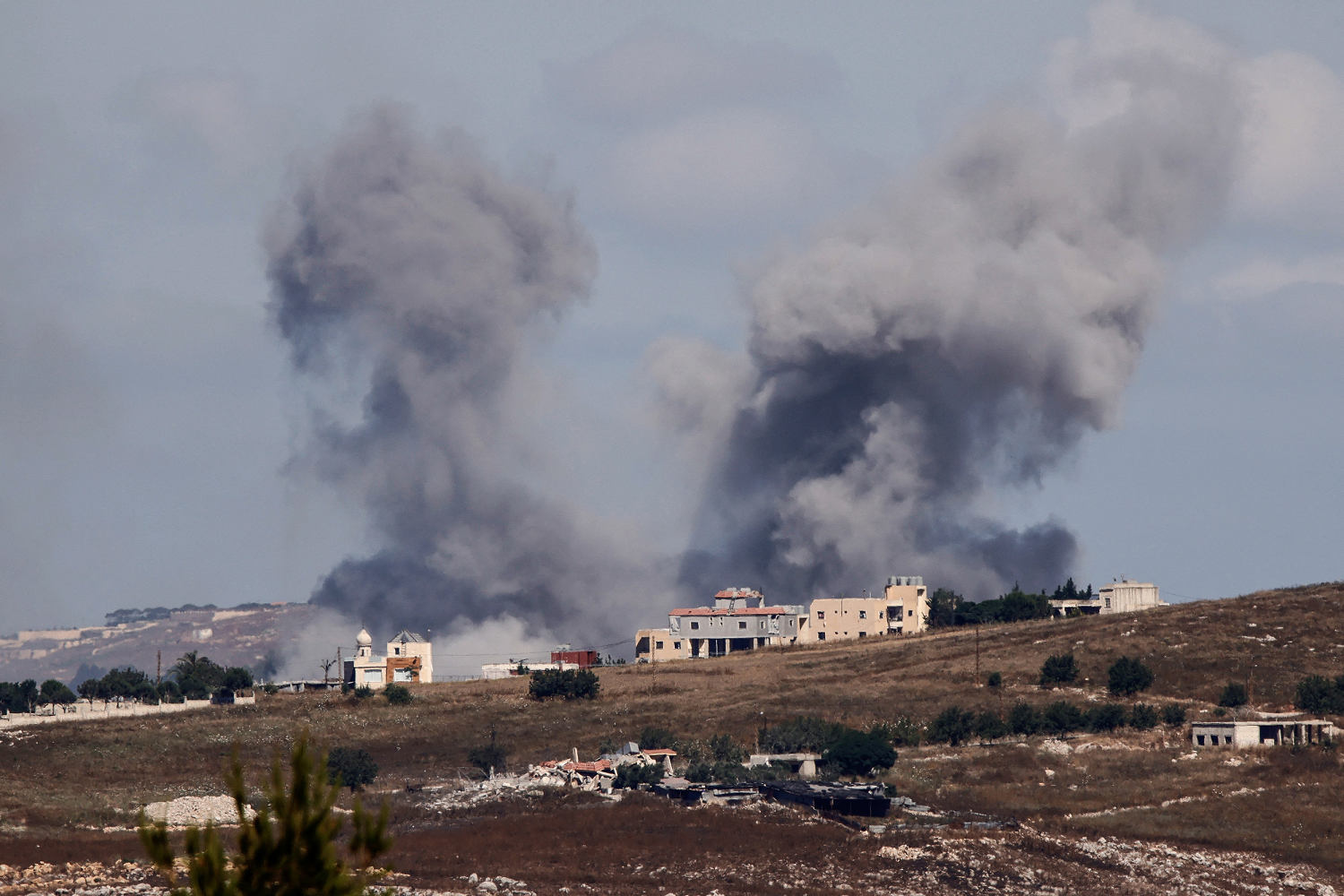
The first peace talks between the United States and Iran were postponed Friday, as Vice President JD Vance cancelled his planned travel to Switzerland
Read Full Story at NBC News →The abrupt postponement of U.S.-Iran talks and the cancellation of Vice President JD Vance’s trip to Switzerland underscore how fragile diplomatic momentum has become in the Middle East, particularly as regional tensions escalate. The decision reflects both the volatility of negotiations and the widening ripple effects of Israel’s intensified strikes in southern Lebanon. While the talks were framed as a potential breakthrough in easing tensions between Washington and Tehran, their delay signals deeper complications—not just logistical, but strategic. Iran’s leadership, already under pressure from domestic unrest and economic strain, may see little incentive to engage when Israel’s military actions in Lebanon suggest a broader campaign that could further destabilize the region. Meanwhile, the U.S. faces a delicate balancing act: pushing for de-escalation while maintaining support for Israel’s security concerns. This episode occurs against the backdrop of a long-simmering proxy conflict where indirect diplomacy has often been the only viable channel. Previous negotiations, such as the 2015 nuclear deal, were painstakingly constructed over years, yet this latest effort appears far more tentative. The cancellation of Vance’s trip—initially intended as a confidence-building measure—suggests that either side may be re-evaluating the terms of engagement, or that internal political pressures in Washington or Tehran have shifted priorities. What’s less discussed is how Iran’s regional allies, particularly Hezbollah, factor into this calculus. Their escalation in Lebanon could be a deliberate tactic to pressure Israel and, by extension, the U.S., complicating any potential thaw in relations. Looking ahead, the key questions revolve around whether diplomacy can regain traction or if the region is sliding toward a wider conflict. Will Israel’s strikes in Lebanon expand, drawing in more actors and forcing the U.S. to take a firmer stance? Could Iran, facing domestic dissent and international isolation, harden its position further? The broader trend here is the erosion of diplomatic alternatives in a region where military posturing often overshadows negotiation. As proxies and regional powers maneuver, the risk is that even well-intentioned talks become collateral damage in a cycle of retaliation and escalation. Without a clear off-ramp, the stalled discussions may be just the first domino in a more dangerous sequence.





