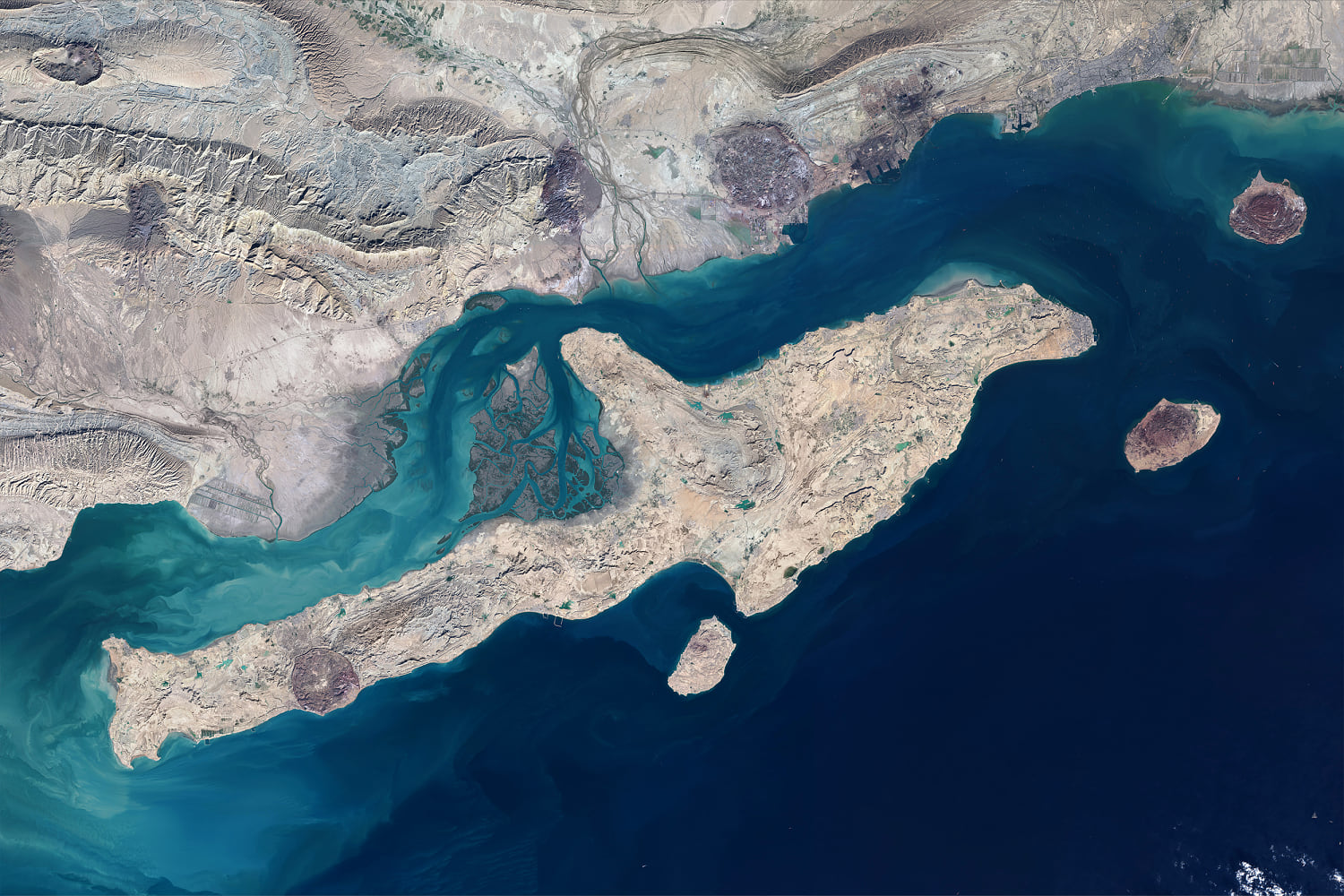
US strikes 10 Iranian targets near Strait of Hormuz
The U.S. military struck 10 Iranian military targets, including surveillance and air defense systems near the Strait of Hormuz. The strikes escalate tensions amid a fragile ceasefire and risk further

The U.S. military struck 10 Iranian military targets on Saturday, President Donald Trump’s order, deepening attacks even as a fragile ceasefire hangs
Read Full Story at France 24 →Why This Matters
The latest U.S. strikes on Iranian military infrastructure signal a dangerous escalation in a conflict that had appeared to stabilize under a fragile ceasefire. Beyond the immediate geopolitical ripple effects, these actions risk unraveling delicate regional alliances and could force neighboring states to recalibrate their neutrality, potentially reshaping the balance of power in the Persian Gulf.
Background Context
Iran’s military posture in the Strait of Hormuz has long been a flashpoint, given its strategic chokehold on global oil transit. While Tehran has periodically flexed its maritime deterrence—including seizures of foreign vessels—this marks the first direct U.S. military response on Iranian soil in decades, underscoring a shift from proxy conflicts to direct confrontation.
What Happens Next
The immediate risk is a cycle of retaliatory strikes that could spiral beyond symbolic targets, drawing in regional proxies and potentially dragging Gulf states into a wider conflagration. Diplomats may attempt to revive negotiations, but with both sides now committed to demonstrating resolve, de-escalation will require unprecedented backchannel concessions.
Bigger Picture
This escalation fits a broader pattern of U.S. military assertiveness in the Middle East, where Washington increasingly prioritizes deterrence over containment. For Iran, each strike reinforces its narrative of resistance against U.S. "bullying," which could consolidate domestic support but further isolate the regime internationally.