US Supreme Court upholds birthright citizenship in blow to Trump
The Supreme Court has ruled that babies born in the US have a constitutional right to citizenship, rejecting Donald Trump's bid to end the 150-year-old policy. In a 6-3 decision, Chief Justice John Ro
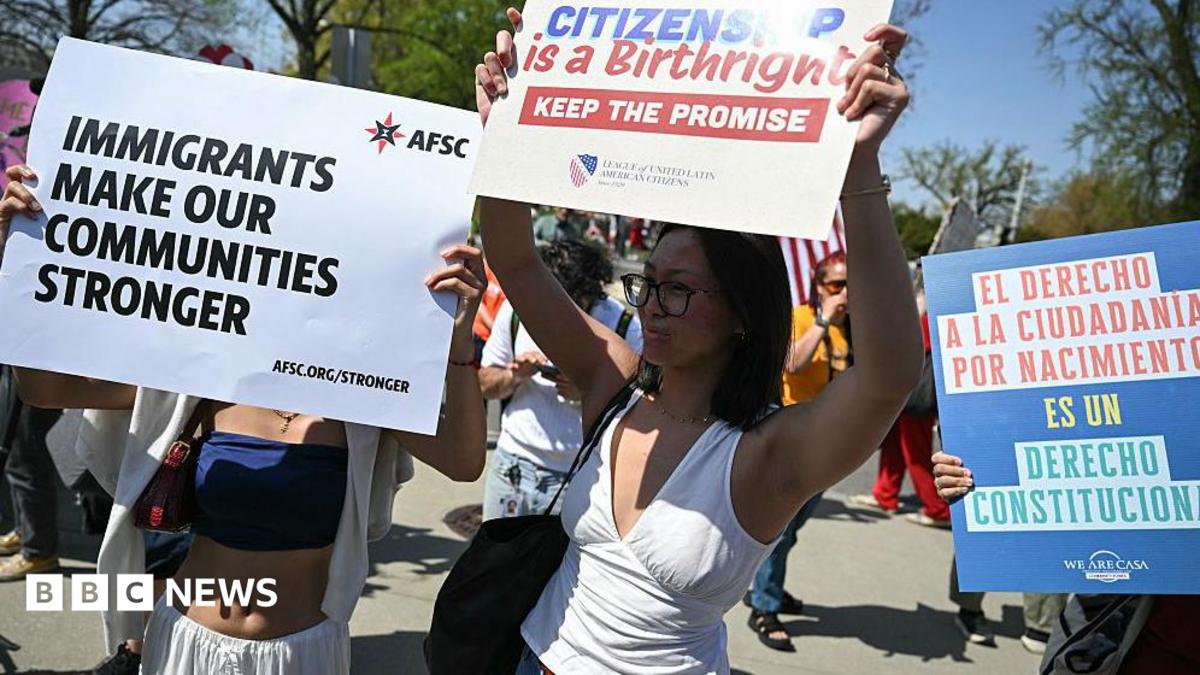
The Supreme Court has ruled that babies born in the US have a constitutional right to citizenship, rejecting Donald Trump's bid to end the 150-year-ol
Read Full Story at BBC World News →Why This Matters
The Supreme Court’s ruling reaffirms a foundational principle of American legal identity: citizenship is not a privilege to be granted or denied by political whims but a constitutional guarantee rooted in the 14th Amendment. This decision strikes at the heart of a decades-long debate over immigration and national identity, signaling that even contentious executive ambitions cannot unilaterally reshape bedrock legal doctrines.
Background Context
The 14th Amendment’s Citizenship Clause, ratified in 1868, was a direct response to the Dred Scott decision and designed to ensure that formerly enslaved people—and all those born on U.S. soil—could not be denied citizenship. While the policy has faced periodic legal challenges, this is the first time a sitting president has openly campaigned to overturn it, reflecting a broader shift in immigration discourse over the past decade.
What Happens Next
Expect renewed pressure on Congress to address immigration reform, as the ruling leaves no immediate pathway for executive action on birthright citizenship. State-level policies may emerge as a new battleground, with conservative legislatures attempting to circumvent federal protections through administrative hurdles or conditional benefits. The decision also sets a legal precedent that could influence future rulings on immigration enforcement and due process.
Bigger Picture
This ruling is part of a pattern of judicial pushback against executive overreach on immigration, following similar rejections of attempts to end DACA and restrict asylum access. It underscores the judiciary’s role as a stabilizing force in contentious policy areas, even as political divisions deepen. The decision may also accelerate efforts to reframe the national conversation around immigration, shifting from legal challenges to structural reforms in border security and citizenship pathways.