U.S. charges Nicolás Maduro and Cilia Flores with conspiracy to commit torture
U.S. prosecutors have charged Nicolás Maduro and his wife, Cilia Flores, with conspiracy to commit torture, alleging they directed security forces to inflict severe pain on political opponents. This …
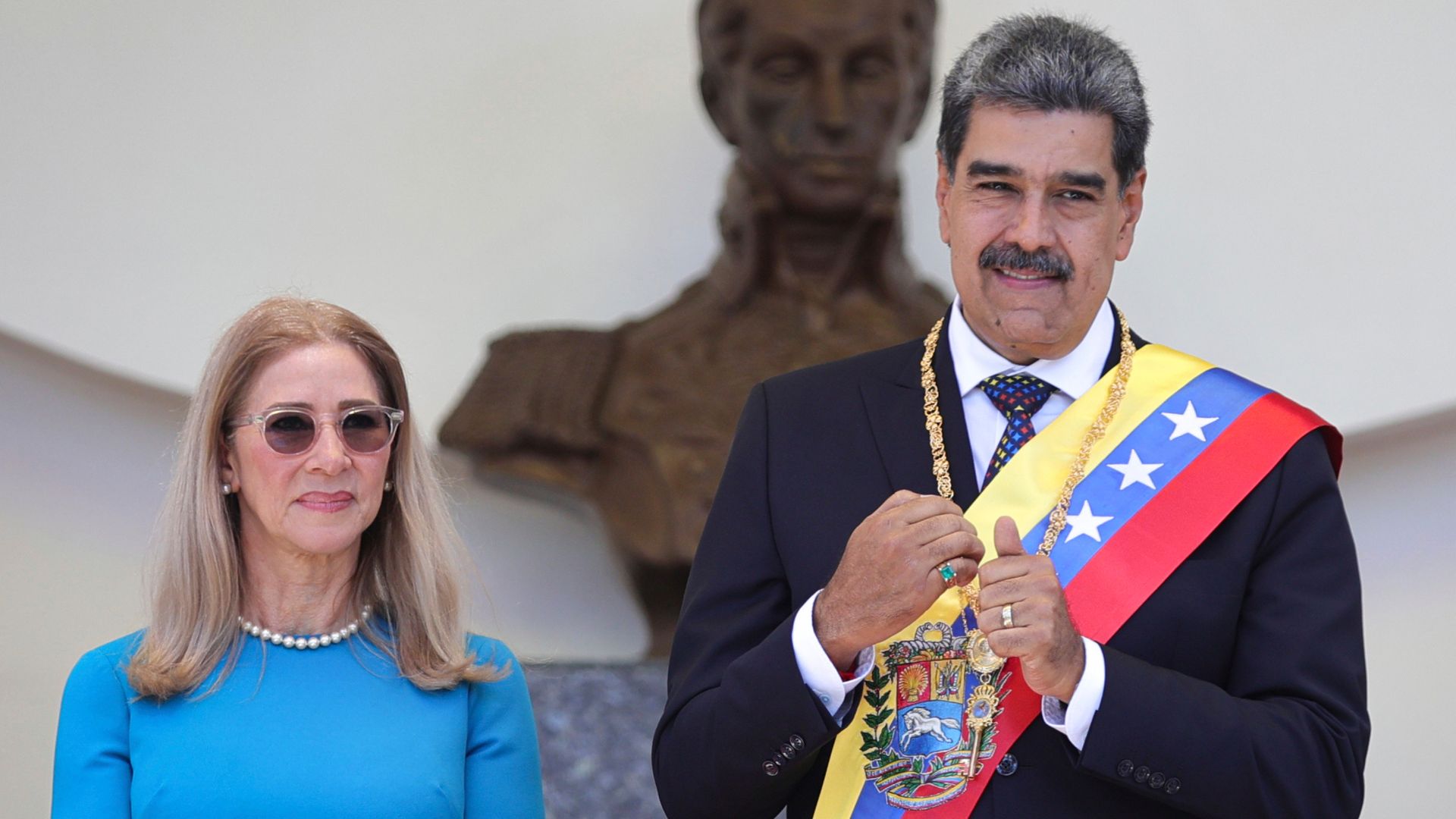
U.S. prosecutors in New York have filed a superseding indictment that accuses former Venezuelan president Nicolás Maduro and his wife, former assembly speaker Cilia Flores, of conspiracy to commit torture. The charge was announced on Tuesday and adds to a series of criminal allegations the United States has brought against the couple since Maduro took office in 2013. The indictment alleges that the pair directed security forces to inflict severe pain on political opponents and protestors, a crime punishable under U.S. law even when the acts occur abroad.
The move comes amid a long‑running U.S. campaign to pressure Venezuela’s government over human‑rights abuses, corruption and the erosion of democratic institutions. In 2018, Maduro was indicted for drug‑trafficking conspiracies linked to the state oil company PDVSA, and in 2020 the Treasury Department imposed sweeping sanctions on his inner circle. The country has been mired in a political crisis since the disputed 2018 election, which sparked mass protests, a humanitarian collapse and the exodus of more than five million Venezuelans. International observers have repeatedly documented torture, arbitrary detention and extrajudicial killings by security forces loyal to Maduro, making the new charge a continuation of that scrutiny.
The indictment details alleged orders from Maduro and Flores to use electric shocks, beatings and other methods to extract information and punish dissent. It cites incidents from the 2017 anti‑government demonstrations, the 2019 crackdown on opposition leader Juan Guaidó’s supporters, and secret detention sites in the capital, Caracas. U.S. officials say the evidence includes intercepted communications and testimonies from former security officers. The State Department called the filing “a clear signal that the United States will hold those who perpetrate grave human‑rights violations accountable.” Maduro’s government denied the accusations, calling them “politically motivated” and warning of “further interference” in Venezuelan affairs.
The case is unlikely to lead to a courtroom appearance by Maduro or Flores, who remain in Venezuela, but it enables the United States to pursue additional sanctions, freeze any overseas assets and bar them from travel. It also strengthens the legal basis for future extradition requests and may shape upcoming diplomatic talks on oil shipments and the return of Venezuelan migrants. By expanding the criminal docket, U.S. authorities aim to increase pressure on the regime and signal to other officials that violations of international norms will have personal consequences.
Read Full Story at Sky News →