‘We Just Want Clean Water’: Residents Sue a North Carolina County Over Landfill Contamination
This story was published by the Border Belt Independent in collaboration with Inside Climate News. Viv Tolson Wayne rang the large dinner bell on her front porch along Britt Road in St. Pauls, North …
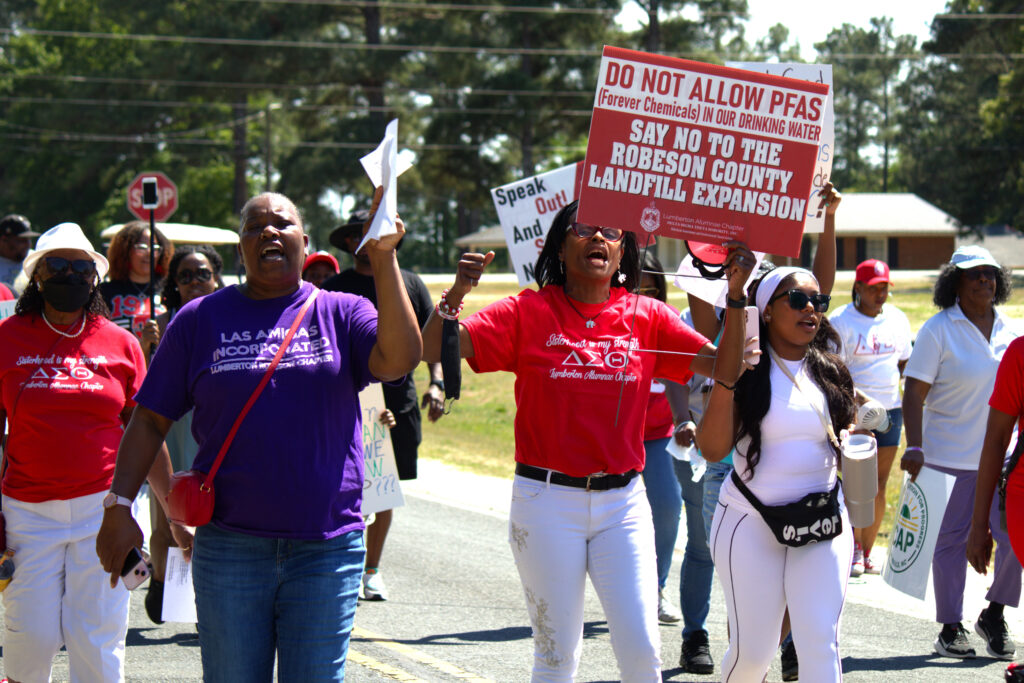
This story was published by the Border Belt Independent in collaboration with Inside Climate News. Viv Tolson Wayne rang the large dinner bell on her
Read Full Story at Inside Climate News →The lawsuit filed by North Carolina residents against their county over landfill contamination underscores a growing crisis in environmental justice, one that transcends local boundaries. At its core, the dispute reflects the tension between industrial development and the right to safe, uncontaminated living conditions—a battle playing out in communities across the U.S. where marginalized populations bear the brunt of environmental hazards. St. Pauls, like many rural towns in the South, has long grappled with the legacy of environmental neglect, where industrial waste disposal sites are disproportionately sited near low-income and minority neighborhoods. The plaintiffs’ demand for clean water isn’t just a demand for basic health; it’s a challenge to systemic inequities that have allowed corporate and governmental entities to externalize environmental risks onto vulnerable populations for decades. The broader significance of this case lies in its potential to set legal and political precedents for how contamination disputes are resolved, particularly in states with lax enforcement of environmental regulations. North Carolina, despite its progressive reputation in some areas, has a history of weak oversight when it comes to industrial waste, from the coal ash spills of the 2010s to ongoing struggles with PFAS “forever chemicals.” The outcome could influence similar lawsuits nationwide, where communities are increasingly turning to the courts when regulatory agencies fail to act. It also highlights the role of independent journalism in uncovering these issues, as collaborations like the one between the Border Belt Independent and Inside Climate News bring critical attention to underreported crises. What remains unclear is whether the legal system will prioritize corporate liability or public health. Will the county face financial penalties, or will the burden of remediation fall on taxpayers? Meanwhile, residents continue to live with the uncertainty of whether their water is safe—a grim reality that speaks to a larger failure of environmental governance. As climate change intensifies and industrial activity expands, cases like this will likely multiply, forcing a reckoning over who bears the cost of progress. The question isn’t just whether St. Pauls will get clean water, but whether the nation will finally confront the deep-seated inequities that make such contamination possible in the first place.