Scientists warn commercial krill fishing threatens Southern Ocean whale recovery
Whale populations in the Southern Ocean are rebounding after years of decline, but their recovery is threatened by commercial krill fishing that could deplete this vital food source. The early closur…
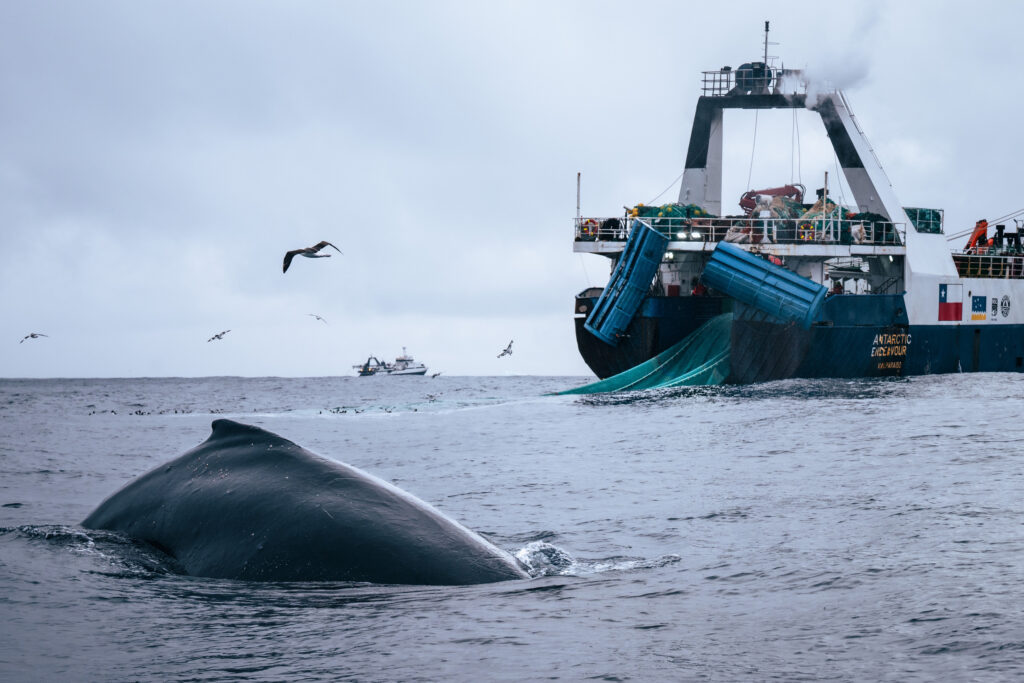
For the second consecutive year, the industrial krill fishing fleet in Antarctica has ceased operations early after reaching its seasonal catch limit. This halt occurred in waters surrounding the Antarctic Peninsula and the South Orkney Islands, which are crucial habitats for various marine species, including whales. The decision reflects growing concerns about the health of the Southern Ocean ecosystem and the impact of commercial fishing on recovering whale populations.
This situation arises amid a remarkable rebound of whale populations in the Southern Ocean, following decades of commercial whaling that decimated their numbers. As whales return to their former habitats, they rely heavily on krill as a primary food source. Krill, tiny shrimp-like crustaceans, play an essential role in the marine food web, serving as a vital link between phytoplankton and larger marine animals. The krill fishery has been under scrutiny as scientists warn that overfishing could threaten this precarious balance, further endangering the whales and other marine life that depend on these small creatures.
The krill fishery is regulated by the Commission for the Conservation of Antarctic Marine Living Resources (CCAMLR), which sets annual catch limits to prevent overexploitation. The early closure of the fishery this year indicates that the limits are being respected, but it also raises questions about the sustainability of krill harvesting in the long term. Experts caution that if demand for krill continues to rise due to its use in aquaculture and dietary supplements, pressures on the population could intensify, potentially leading to ecological consequences that could harm whales and other key species.
Looking ahead, the fate of the Southern Ocean's ecosystem hangs in the balance. As whale populations grow, their competition with commercial fishing interests will likely escalate. Ongoing monitoring and adaptive management strategies will be critical to ensuring that both the krill fishery and whale populations can coexist sustainably. Conservationists are calling for stricter regulations and a reevaluation of fishing practices to safeguard this vital marine environment and its inhabitants. The situation underscores the need for a collaborative approach to ocean management that accounts for the interconnectedness of species and the delicate balance of marine ecosystems.
Read Full Story at Inside Climate News →