What does Andy Burnham mean by more ‘public control’ of water and energy? He is too vague
The Manchester mayor is tapping into deep public frustration over the water industry but at some stage he needs to say what he means T here ought to be a rule to oblige politicians advocating “stronger public control” of an essential service or sector to say what, precisely, the
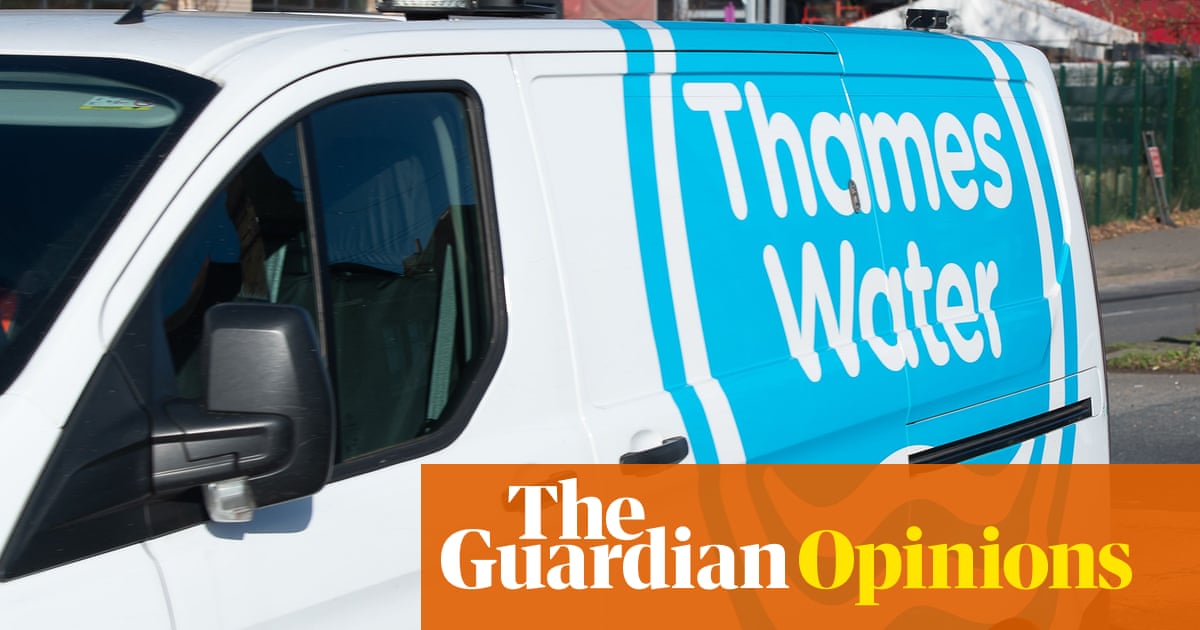
The Manchester mayor is tapping into deep public frustration over the water industry but at some stage he needs to say what he means
T here ought to be a rule to oblige politicians advocating “stronger public control” of an essential service or sector to say what, precisely, they mean. Public “ownership” is easy to understand – it’s nationalisation. But Andy Burnham, when he cites water and energy as targets for greater public control , seems to imply something else. What?
Would he, for instance, torpedo the government’s current plans for water, notably the “once-in-a-generation” reset of regulation in England and Wales via the clean water bill due in the autumn? Or is he merely saying Thames Water should be tipped into special administration, which may happen anyway without a shove from a new prime minister?
In energy-land, virtually nothing happens already without a command from above. The national energy system operator was nationalised in 2024. The body is in charge of planning the gas and electricity networks and is drawing up a “strategic spatial energy plan” that will dictate what infrastructure gets built and where until 2050. Nobody constructs a nuclear power station, or even a wind or solar farm, on a whim – they get state-backed price contracts. The Treasury can choose which energy levies go on bills and which are funded by general taxation.
Meanwhile, Ed Miliband, the energy secretary, established a unit literally called “Mission Control” to oversee his 2030 clean power plan. He was also free to change the entire structure of the electricity market , but chose not to adopt so-called “zonal pricing” . Miliband has also just completed a review of the role of Ofgem , the regulator answerable to parliament that sets price controls for transmission companies and energy distributors and effectively caps profit margins at suppliers at 2%. Short of nationalisation, what control levers are missing? Not many.
Water is probably more fertile territory because the future of Thames is up for grabs. It is now 12 months since the company’s creditors started talks with Ofwat , the regulator, on a controversial rescue package that would write off several billions-worth of debt in exchange for fresh financing and leniency on pollution fines for up to 10 years.
The very idea of a special deal for Thames that could see US hedge funds emerge as important owners is rotten, Burnham may feel. Fair enough: many of us have always been deeply suspicious , especially now the creditors have advanced three proposals and none has been accepted by Ofwat.
The alternative of special administration does not necessarily lead to greater public control, however. The process is often called “temporary nationalisation” as a shorthand, but the administrator would still have a formal duty to maximise value for creditors, which may involve selling to a private sector buyer. The government would be more free to interfere but Burnham should say how. At the moment, vague messaging will only stall the Thames talks further because ministers are highly unlikely to sign off on any proposal – recapitalisation or administration – until the leadership of the Labour party is clearer.






