Electric vehicles utilize liquid cooling systems to enhance battery performance.
Modern electric vehicles (EVs) use liquid cooling systems to maintain battery temperatures, which helps prevent capacity loss and accelerates aging. This technology is crucial as it allows for effici…
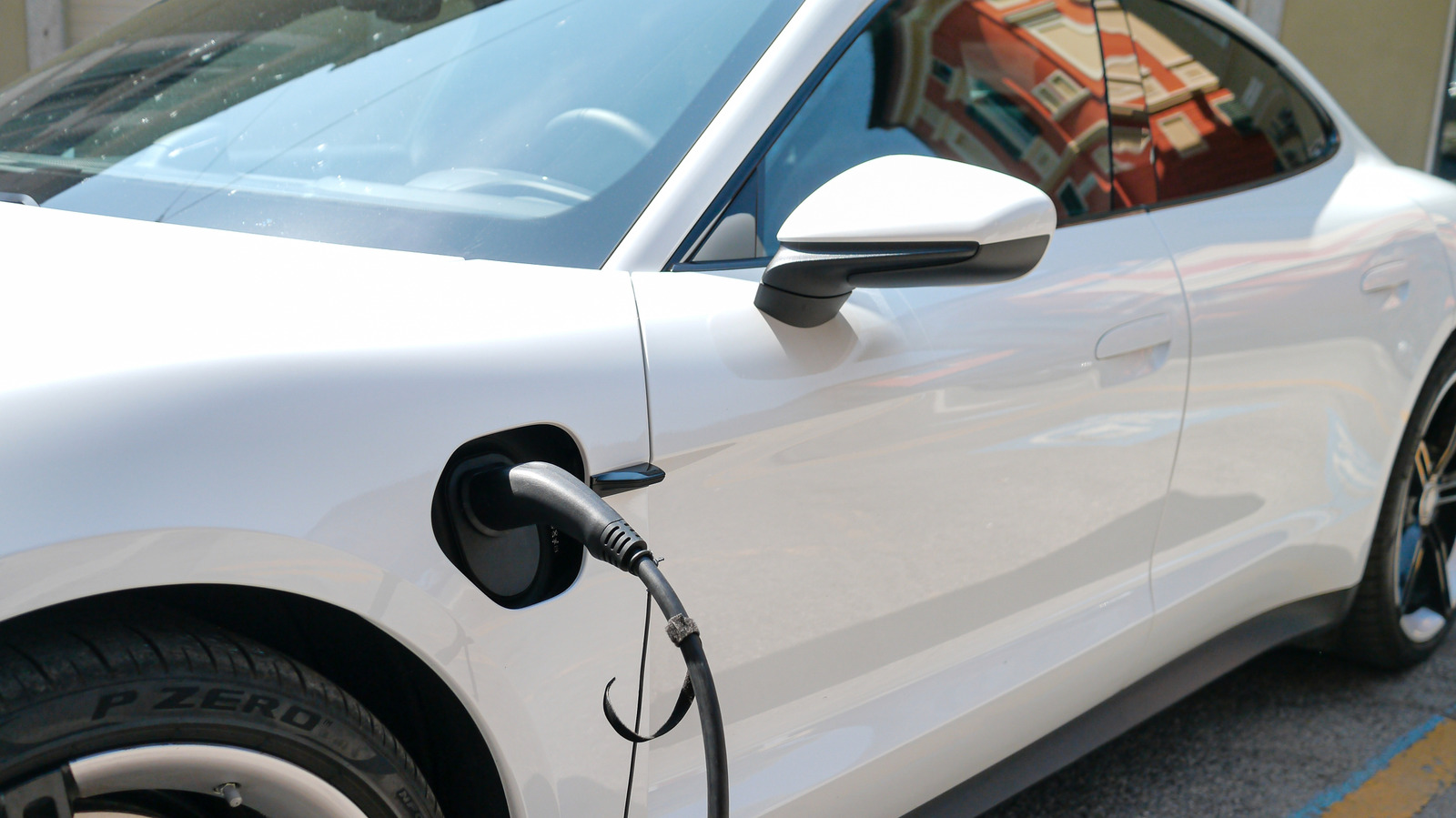
Most modern electric cars keep their battery packs at a steady temperature by pumping liquid coolant through a closed loop that hugs the cells. The system draws heat from the pack via tubes or metal plates, then sends it to a radiator or the car’s air‑conditioning unit. Tesla’s owner manual even tells drivers to start the charger 30 to 45 minutes before arriving so the pack can warm up, and Porsche warns that skipping the warm‑up can cut charging power. The liquid loop works both ways: it removes excess heat during fast charging and adds heat when the battery is cold.
The need for active thermal management has grown as fast chargers push 100 kW or more into batteries, creating a lot of waste heat. A 2021 study in the journal *Energies* showed that a temperature spread of more than 5 °C across a cell can accelerate aging by 25 %. Fleet data from Geotab, covering more than 22,700 EVs, found that batteries lose an average of 2.3 % of capacity each year. Vehicles in hot climates lose about 0.4 % more per year, while those that use high‑power chargers frequently lose roughly 3 % annually, compared with 1.5 % for cars that charge slowly. In cold weather, internal resistance rises and fast charging can cause lithium plating, which reduces range to about 78 % of the ideal at freezing temperatures and 70 % at –7 °C. Cabin heating then consumes two‑thirds of the extra energy needed in the cold.
Early EVs relied on passive air cooling; the 2010 Nissan Leaf used a simple fan to move air over its 24 kWh pack. Today, almost all new models, from Tesla to GM and Ford, use liquid‑cooled packs because they need two to three times less energy than air systems to maintain the same temperature. The third‑generation Leaf, unveiled in 2025, finally adopted a liquid‑cooled 75 kWh battery. Some niche designs, like BMW’s i3, skipped the coolant loop entirely in favor of other methods, but the industry consensus is that liquid cooling offers the best balance of efficiency, speed, and longevity. As charging speeds climb and batteries grow larger, robust thermal management will remain a critical factor in keeping EVs reliable and affordable over a decade‑long lifespan.
Read Full Story at Engadget →