When the ability to smell goes away
Disturbances in this critical sense are often linked to problems with brain health.
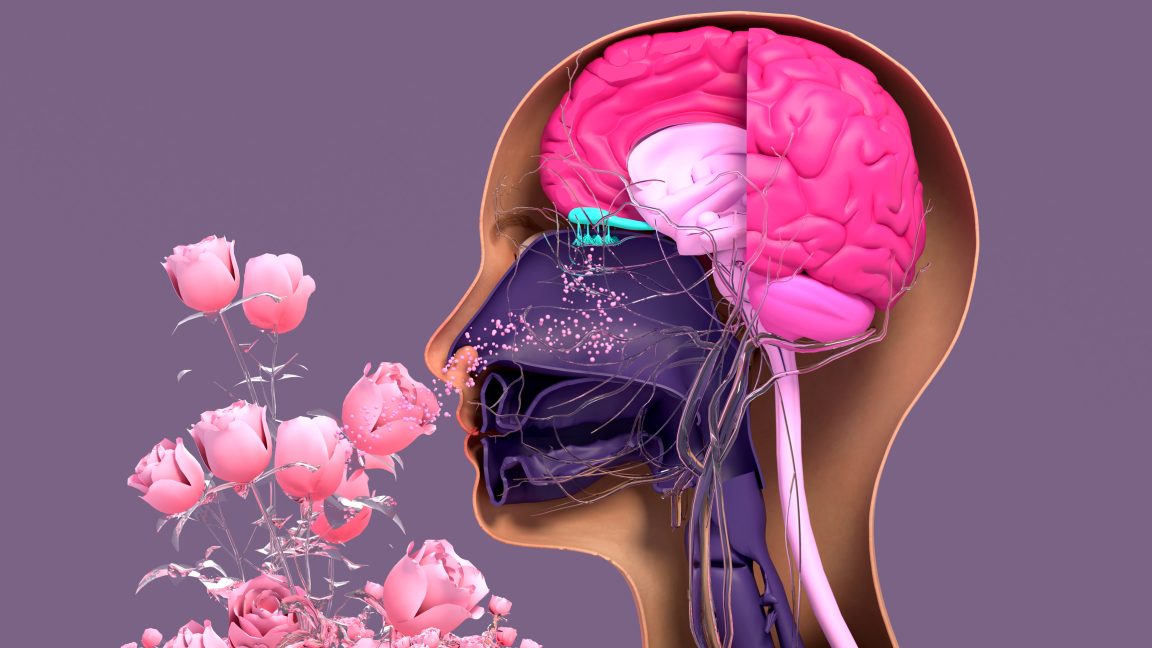
Disturbances in this critical sense are often linked to problems with brain health.
Read Full Story at Ars Technica →Why This Matters
Olfactory dysfunction isn’t just a nuisance—it’s an early warning system for brain health that often precedes cognitive decline. Research suggests that the loss of smell may signal neurodegenerative conditions years before symptoms become apparent, making it a critical, underutilized diagnostic tool in neurology. Ignoring these signals could mean missing a vital opportunity for early intervention in diseases like Alzheimer’s and Parkinson’s.
Background Context
Historically, smell has been relegated to a secondary sense in medicine, overshadowed by vision and hearing. Yet the olfactory system is uniquely vulnerable because its neurons regenerate slowly and are directly exposed to environmental toxins. The pandemic’s sharp rise in anosmia cases reignited interest in smell loss, but the long-term neurological risks tied to it remain understudied despite decades of evidence linking it to brain disorders.
What Happens Next
As awareness grows, expect standardized smell testing to become a routine part of neurological screenings, particularly for older adults. Tech companies are already developing portable olfactory tests, which could soon be as common as blood pressure checks. However, questions remain about whether reversing smell loss could alter disease progression—or if it’s merely a harbinger of irreversible damage.
Bigger Picture
This trend reflects a broader shift in medicine toward sensory biomarkers for systemic health. From taste changes in diabetes to hearing loss and cardiovascular risk, our senses are proving to be windows into systemic dysfunction. The challenge now is translating these insights into actionable care before irreversible damage occurs.






