Why does lithium work against bipolar disorder?
In modern times we tend to think of lithium as powering smartphones and cars, yet its historical fame comes from its role as a mood stabilizer. Lithium was first used as a treatment for bipolar diso…
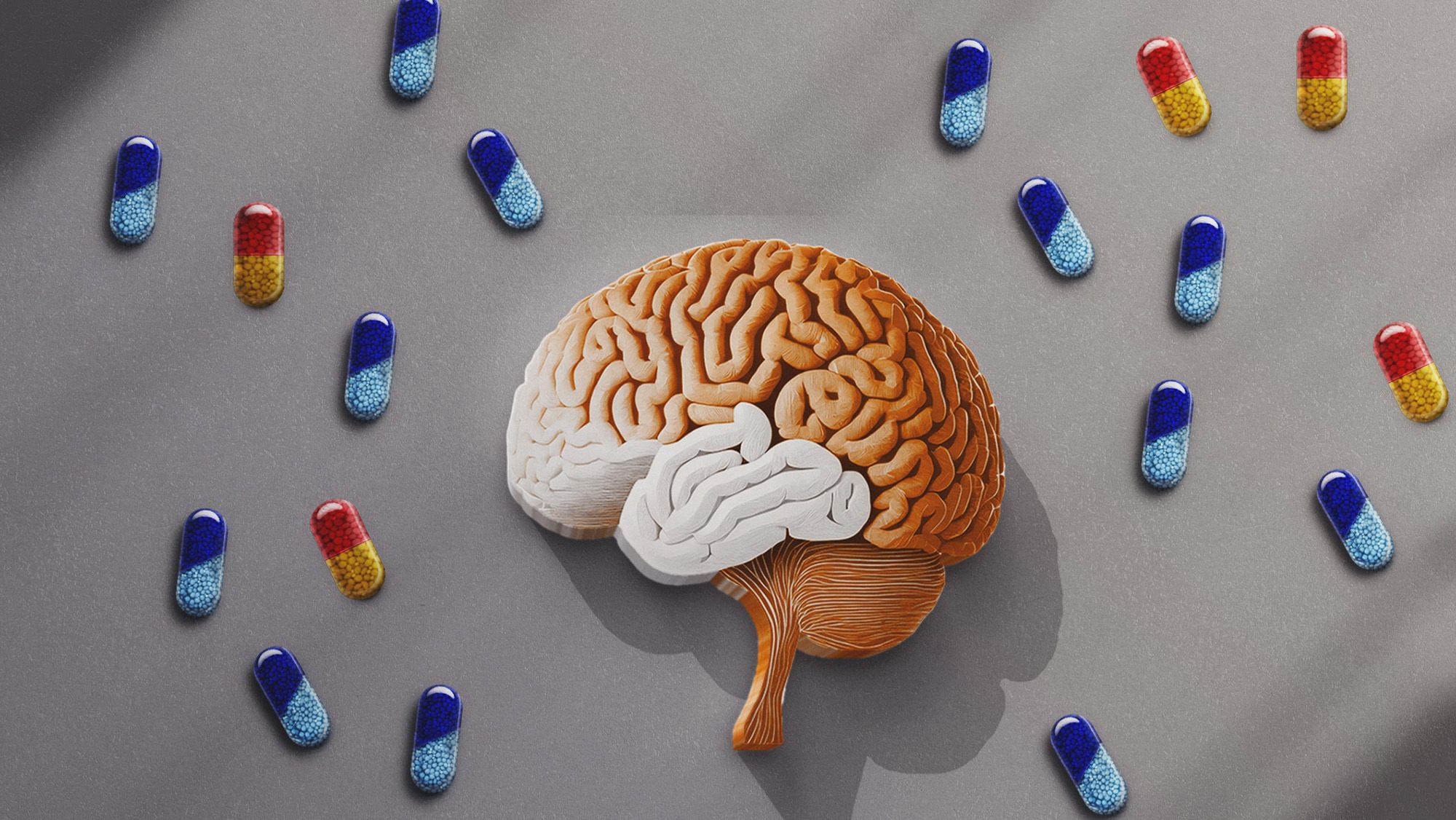
In modern times we tend to think of lithium as powering smartphones and cars, yet its historical fame comes from its role as a mood stabilizer.
Lithium was first used as a treatment for bipolar disorder in 1949. Yet despite decades of research and drug development, this simple medication remains the gold standard for treating one of the most complex psychiatric conditions. But why?
According to Becci Strawbridge , a senior lecturer in psychological medicine at King's College London, lithium's simplicity could be what helps it cut through the complexity of bipolar disorder, a lifelong disorder that affects about 36 million people worldwide .
Clinically, bipolar disorder is defined as a mood disorder characterized by specific, lasting changes to a person's mood and energy levels. Depending on the type of bipolar disorder , individuals can experience manic, hypomanic and depressive episodes — either individually, or in sequence.
However, "experiencing mania itself is sufficient to have a diagnosis of bipolar [disorder]," said Dr. David Cousins , a clinical senior lecturer and honorary consultant psychiatrist at Newcastle University in the U.K. "It's probably easiest to think of that as the opposite of depression — people become elevated in mood, extremely energized, driven, motivated, and engage in hedonistic behavior with lots of risk taking," he said. "It's a highly detrimental, highly damaging, highly disruptive state."
Sign up for our weekly Life's Little Mysteries newsletter to get the latest mysteries before they appear online.
Treating an illness that operates at such extremes is a difficult balance to strike, with any intervention to treat one emotional state needing to factor in how it could impact the other. "For example, if you gave somebody antidepressants without an antimanic drug, you might either trigger mania or destabilize the illness," Cousins explained.
A combination of antidepressants, antipsychotics, and mood-stabilizing anticonvulsants are often prescribed in combination to juggle these highly variable symptoms. "There are really very few medications that have an overall effect against both poles," Strawbridge said. Once stabilized, the challenge then becomes preventing relapse back into this destructive cycle.
Read Full Story at Live Science →