Kim Jong Un hides mother's foreign roots
Kim Jong Un’s mother, Ko Yong Hui, was a Zainichi Korean born in Japan, undermining the North Korean regime’s "Mount Paektu bloodline" myth. Revealing her foreign origins could expose the lie that leg
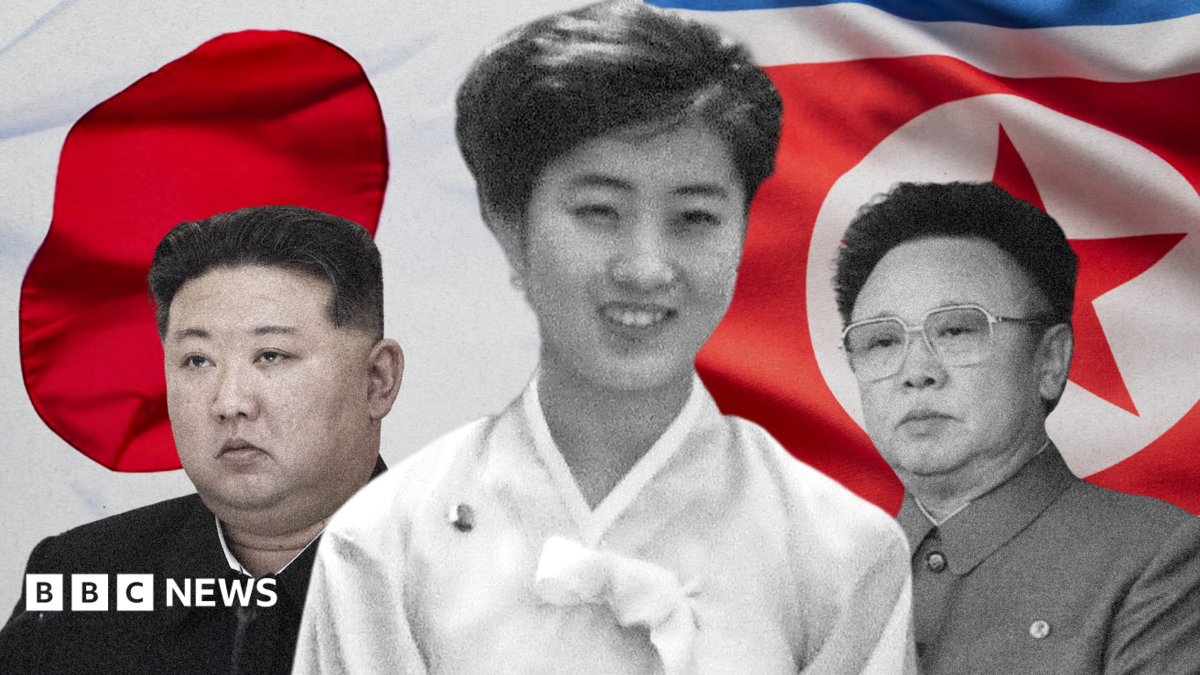
North Korea’s leader Kim Jong Un has never publicly named his mother in 15 years of rule, keeping the identity of Ko Yong Hui a tightly guarded secret
Read Full Story at BBC World News →Why This Matters
The omission of Kim Jong Un’s mother from North Korea’s official narrative isn’t just a footnote in propaganda—it’s a silent admission that the regime’s most sacred myth, the "Mount Paektu bloodline," is built on shaky ground. By erasing Ko Yong Hui’s Japanese birth and career as a dancer, the state avoids confronting the contradiction between its racial purity myth and the reality of a leader whose lineage is itself a fusion of Korean and Japanese heritage, exposing the fragility of its ideological foundations.
Background Context
Ko Yong Hui’s background breaks two cardinal rules of North Korea’s self-image: she was a Zainichi, part of the Korean diaspora in Japan, and her family had no ties to the guerrilla fighters mythologized under Mount Paektu. The regime’s obsession with bloodline purity stems from Kim Il Sung’s post-colonial legitimization strategy, which later fused with Stalinist personality cults to create an almost biological claim to leadership—one that Ko’s existence fundamentally undermines.
What Happens Next
If this narrative ever surfaced, it wouldn’t just embarrass the regime—it could trigger a crisis of succession or internal purges to suppress dissent among elites who know the truth. The silence around Ko Yong Hui suggests Pyongyang is betting that the myth’s power outweighs the risk of exposure, but as generational memory fades, the regime may face pressure to either redefine its bloodline rhetoric or risk irrelevance in a world where even its own people increasingly question its claims.
Bigger Picture
This tension reflects a broader pattern in authoritarian regimes where identity myths struggle to survive modernization and migration. From Putin’s cultivated Eurasianist fantasies to the Chinese Communist Party’s selective embrace of Confucianism, regimes cling to invented traditions while their populations become more globally connected—a contradiction that often leads to either violent repression or slow, inevitable erosion of the myth itself.






