Why women's inheritance reform has stalled across Arab world
The death of her husband pushed 60-year-old Moroccan widow Meryem into a deep crisis. Speaking with Moroccan magazine Egalite Mag in February, she said it wasn't just the sadness over her loss that has made her feel vulnerable. "I find myself alone, facing his family, treated li
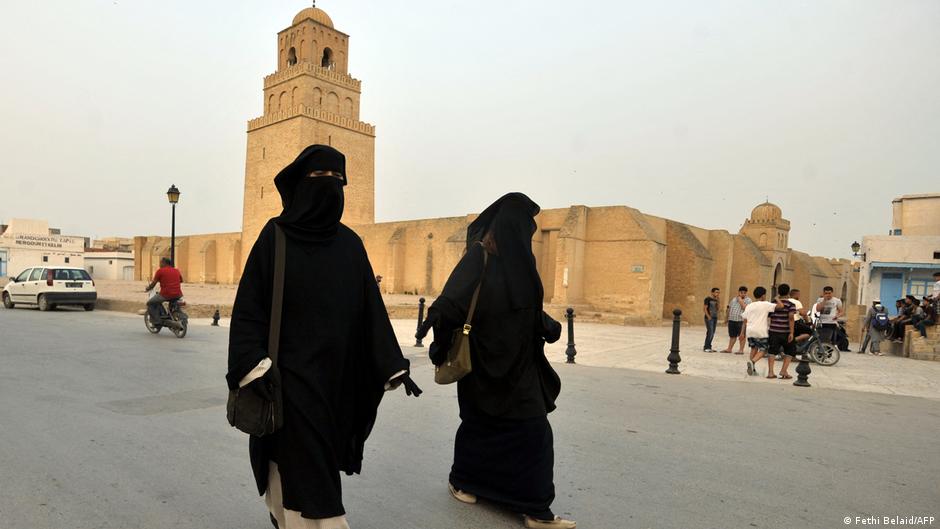
The death of her husband pushed 60-year-old Moroccan widow Meryem into a deep crisis. Speaking with Moroccan magazine Egalite Mag in February, she said it wasn't just the sadness over her loss that has made her feel vulnerable.
"I find myself alone, facing his family, treated like an enemy even though I built this life with him for 30 years," she said, asking that her last name not be published for fear of retaliation from her late husband's family.
Meryem's husband had made a point of providing for her future by purchasing an apartment in her name. But shortly after his death, his relatives claimed in court that the property belonged to them, according to one of the Sharia-based inheritance rules, taasib. Under taasib, in cases where a deceased man leaves daughters but no sons, male relatives inherit substantial portions of the estate alongside the daughters and widow.
Eventually, a Moroccan court ruled in Meryem's favor. Her husband had legally and indisputably transferred the apartment to her during his lifetime, which is permitted under Islamic inheritance law.
"It's the only thing I have left, and I rent it out for a modest income," said Meryem, adding that all other assets — a car, bank accounts — remain tied up in inheritance disputes.
"We regularly see cases where the husband dies and the wife has to move out of the couple's marital home because the property must be divided among the heirs," said Dörthe Engelcke of the Max Planck Institute for Foreign and International Private Law in Hamburg.
"If widows were allowed to continue living in their marital homes, it would be an incredibly significant change," she told DW, adding that "it would contribute greatly to the social stability of the surviving wives."
While governments across the Middle East and North Africa have expanded women's rights in areas such as domestic violence protection , family law and legal autonomy, inheritance reform remains one of the region's most sensitive issues, according to rights advocates and legal scholars.