Yale scientists may have found how Parkinson's disease spreads through the brain
Yale scientists discovered two neuron surface proteins that appear to help spread the toxic protein linked to Parkinson’s disease. Blocking these proteins in mice dramatically reduced disease progress
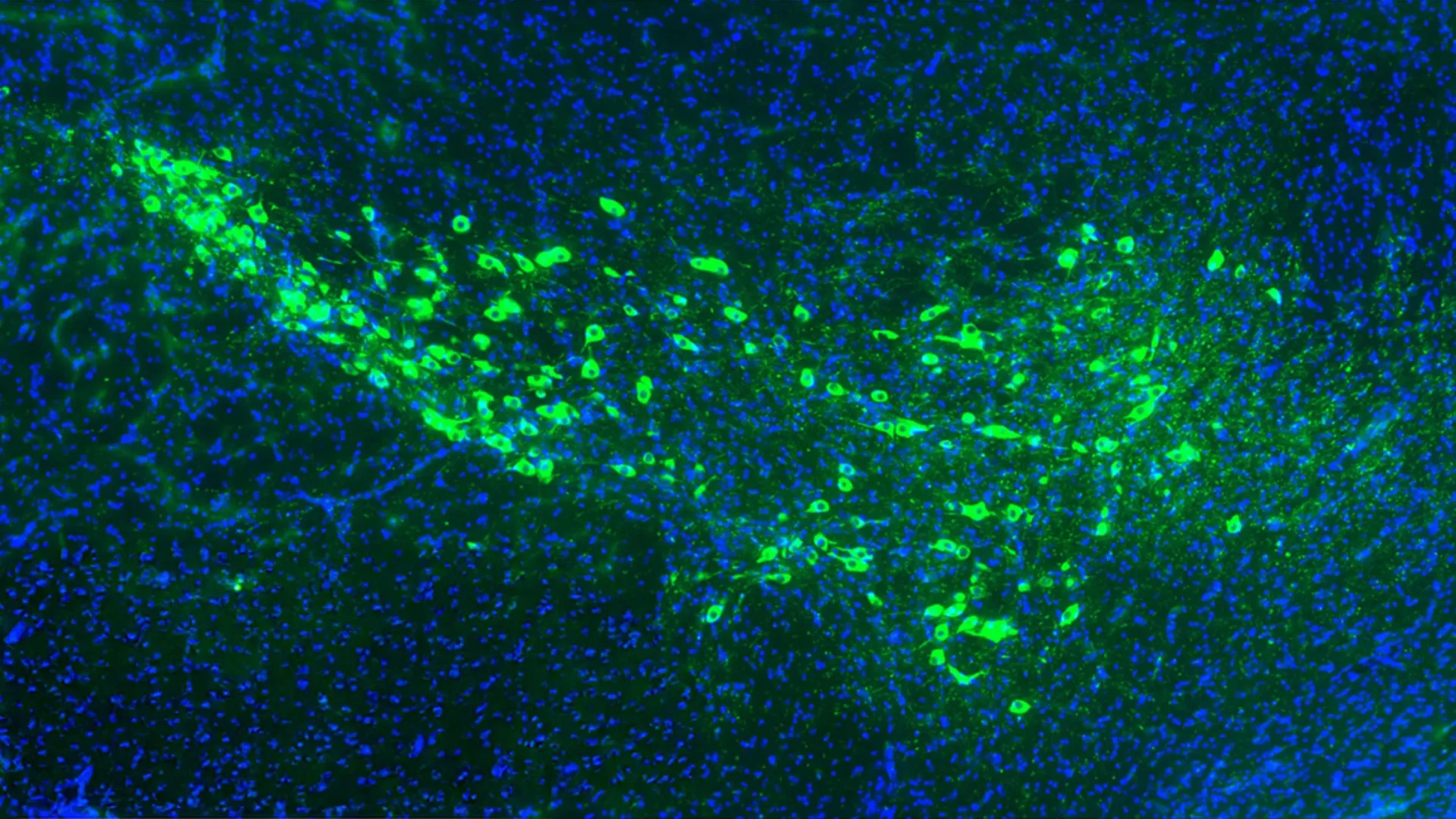
Yale scientists discovered two neuron surface proteins that appear to help spread the toxic protein linked to Parkinson’s disease. Blocking these prot
Read Full Story at ScienceDaily →Why This Matters
This discovery offers a potential turning point in the fight against Parkinson’s, a disease that remains incurable and affects millions worldwide. By identifying the molecular gateways that allow toxic proteins to propagate, researchers have uncovered a strategy that could fundamentally alter how neurodegenerative diseases are treated—not just slowed, but interrupted at their source.
Background Context
For decades, Parkinson’s research has fixated on the accumulation of alpha-synuclein, a protein that forms toxic clumps in the brain. Yet the mechanisms by which these misfolded proteins spread from neuron to neuron have remained elusive. Yale’s findings bridge this gap, revealing how two specific surface proteins act as Trojan horses, smuggling disease-causing cargo between cells—a process that may mirror how other neurodegenerative disorders, like Alzheimer’s, advance.
What Happens Next
The next critical phase will involve testing whether blocking these proteins in humans yields the same dramatic effects seen in mice, particularly in early-stage patients. If successful, this could pave the way for clinical trials targeting these proteins, potentially transforming Parkinson’s from a progressive, debilitating condition into a manageable one. The challenge now is translating lab breakthroughs into therapies without overlooking off-target effects that could derail progress.
Bigger Picture
This research aligns with a growing emphasis in neuroscience on intercepting disease at the molecular level before irreversible damage occurs. As precision medicine gains traction, discoveries like this underscore how protein trafficking—once a niche area of study—has become a frontline battleground in the race to curb neurodegenerative decline. The implications extend beyond Parkinson’s, offering a blueprint for tackling other proteinopathies that exploit similar biological pathways.




