Yemen's Houthis launch missiles at Saudi Arabia after strikes on Sanaa airport
Yemen's Houthis said they launched missiles at Abha airport in south-western Saudi Arabia on Monday in response to air strikes on Sanaa's airport that they blamed on the kingdom. The Saudi-led coalit
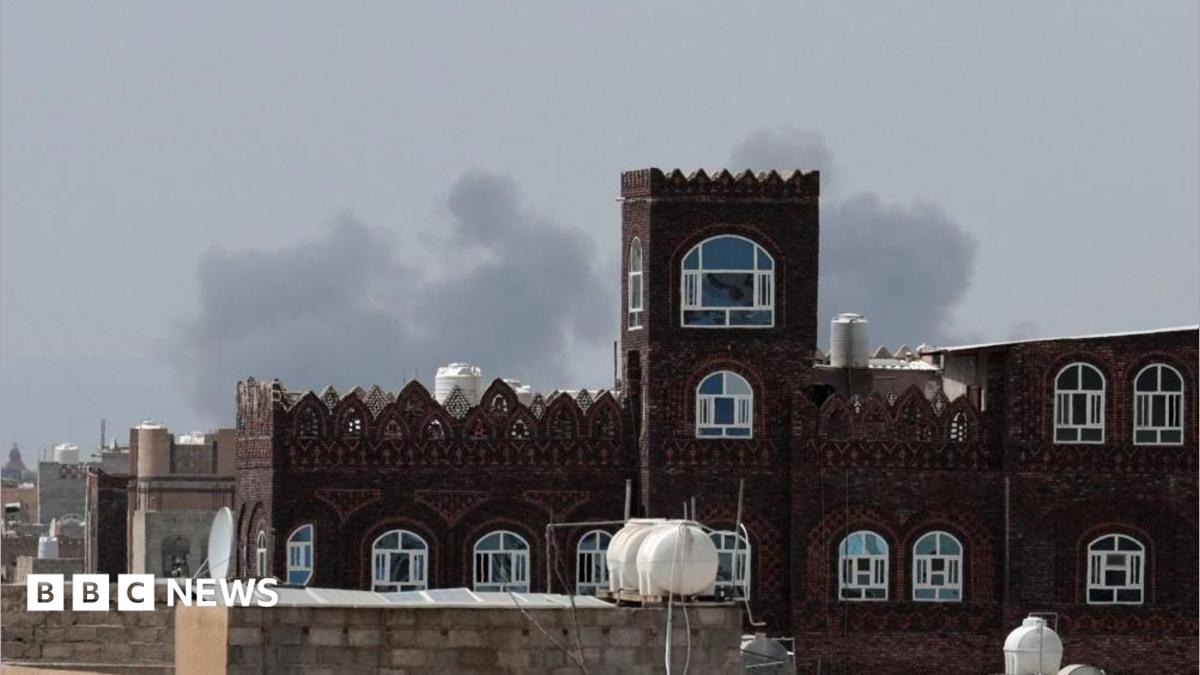
Yemen's Houthis said they launched missiles at Abha airport in south-western Saudi Arabia on Monday in response to air strikes on Sanaa's airport that
Read Full Story at BBC World News →Why This Matters
The latest escalation underscores the persistent volatility in Yemen’s eight-year conflict, where regional proxy dynamics continue to destabilize the Arabian Peninsula. For Saudi Arabia, targeted strikes on civilian infrastructure like Abha airport represent a direct challenge to its security narrative, potentially eroding confidence in the kingdom’s ability to deter Houthi attacks. Meanwhile, the Houthis’ retaliation risks prolonging a war that has already displaced millions and deepened humanitarian crises across Yemen.
Background Context
The Houthi movement, backed by Iran, has long used missile and drone strikes against Saudi Arabia as a bargaining chip in negotiations, though this latest salvo follows a pattern of intensified attacks since the collapse of the 2022 truce. Saudi Arabia’s involvement in Yemen’s civil war—initially framed as a campaign to restore the internationally recognized government—has instead entrenched the Houthis’ control over northern Yemen, including the capital, Sanaa. The kingdom’s airstrikes on Sanaa’s airport, ostensibly targeting military logistics, have drawn criticism for disrupting aid flows to a population already facing severe shortages.
What Happens Next
Riyadh may respond with further airstrikes or diplomatic pressure, but the risk of miscalculation remains high given the Houthis’ demonstrated precision in targeting critical infrastructure. International mediators, including Oman, could attempt to broker a de-escalation, yet the Houthis’ insistence on lifting a Saudi-led blockade before negotiations suggests little room for compromise. Observers should watch for whether these attacks trigger broader economic retaliation, such as disruptions to oil shipments or cross-border trade.
Bigger Picture
This exchange reflects a broader regional arms race, where Yemen serves as a proving ground for asymmetric warfare tactics later adopted by other non-state actors. The Houthis’ growing arsenal—enabled by Iranian support—mirrors similar proxy strategies in Syria, Lebanon, and Iraq, signaling a long-term shift in the balance of power across the Middle East. As Saudi Arabia pivots toward economic diversification, its military engagements in Yemen may increasingly clash with domestic priorities, complicating its role as a regional security guarantor.