FBI arrests Michael Khalil for spying on OpenAI for Saudi Arabia
Former OpenAI engineer Michael Khalil was arrested for allegedly stealing proprietary technology to share with Saudi Arabia, including a folder labeled “Saudi Gov Docs.” This case raises significant …
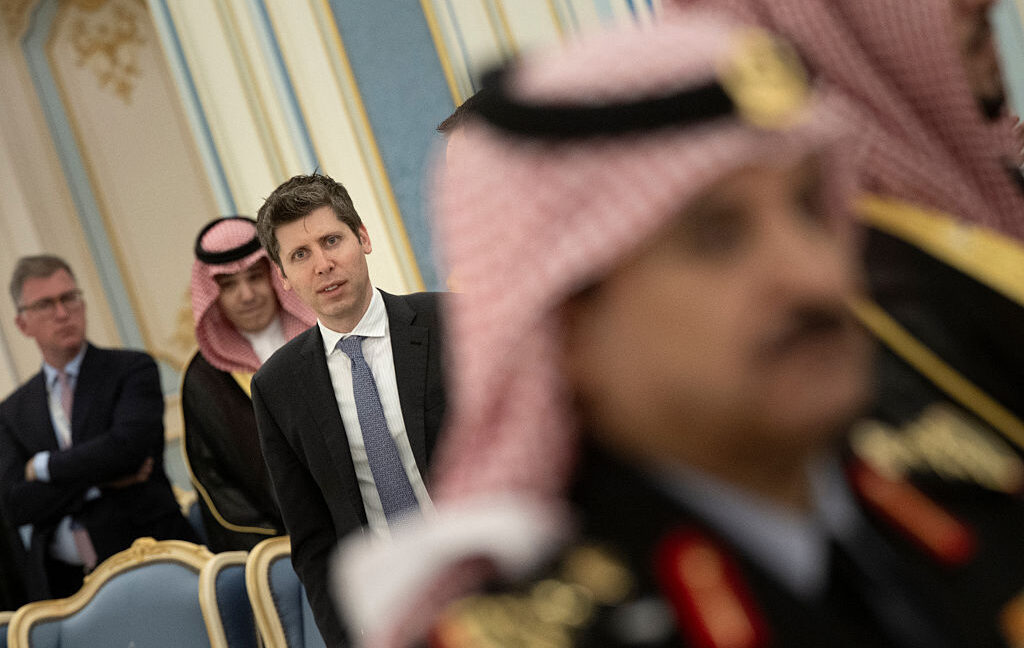
Former OpenAI engineer Michael Khalil was arrested on federal espionage charges after the FBI found a folder on his laptop named “Saudi Gov Docs,” officials said Tuesday. The indictment alleges Khalil copied proprietary code, research papers and internal policy documents and intended to deliver them to contacts in Saudi Arabia. He is accused of planning a trip to Riyadh to meet a Saudi government representative before the scheme was uncovered.
The case matters because OpenAI’s models are among the most advanced in the world and are deemed dual‑use technology. U.S. officials have warned that AI tools can be weaponized or give foreign powers a strategic edge. In recent months, Washington has tightened export controls on AI software and tightened scrutiny of talent moves. A leak of OpenAI’s internal safety guidelines or licensing strategies could help Saudi Arabia accelerate its own AI programs, raising security concerns.
The investigation began after a coworker reported unusual file transfers to internal security staff in late 2023. FBI agents later seized Khalil’s work laptop and discovered the “Saudi Gov Docs” folder, which contained internal policy on model safety, data governance and licensing agreements. Khalil allegedly discussed the material with a Saudi diplomat he met at a tech conference in Dubai. Saudi officials have denied any involvement and say they cooperate fully with U.S. law‑enforcement.
Khalil now faces up to 20 years in prison if convicted. The Justice Department has asked a federal court to block any travel that would let him flee the country, and it is coordinating with Saudi authorities on possible extradition. The case underscores growing U.S. anxiety over the export of AI expertise and may prompt tighter rules on how AI talent moves across borders. It also puts pressure on Saudi Arabia to clarify its stance on acquiring advanced AI technology from the United States.
Read Full Story at Ars Technica →