Archaeologists discover royal seals confirming Maatkare as ancient Egypt's first female pharaoh
Archaeologists have uncovered royal seals in Upper Egypt confirming that a woman named Maatkare ruled as pharaoh around 3200 BCE, predating Nefertiti and Cleopatra. This discovery challenges previous…
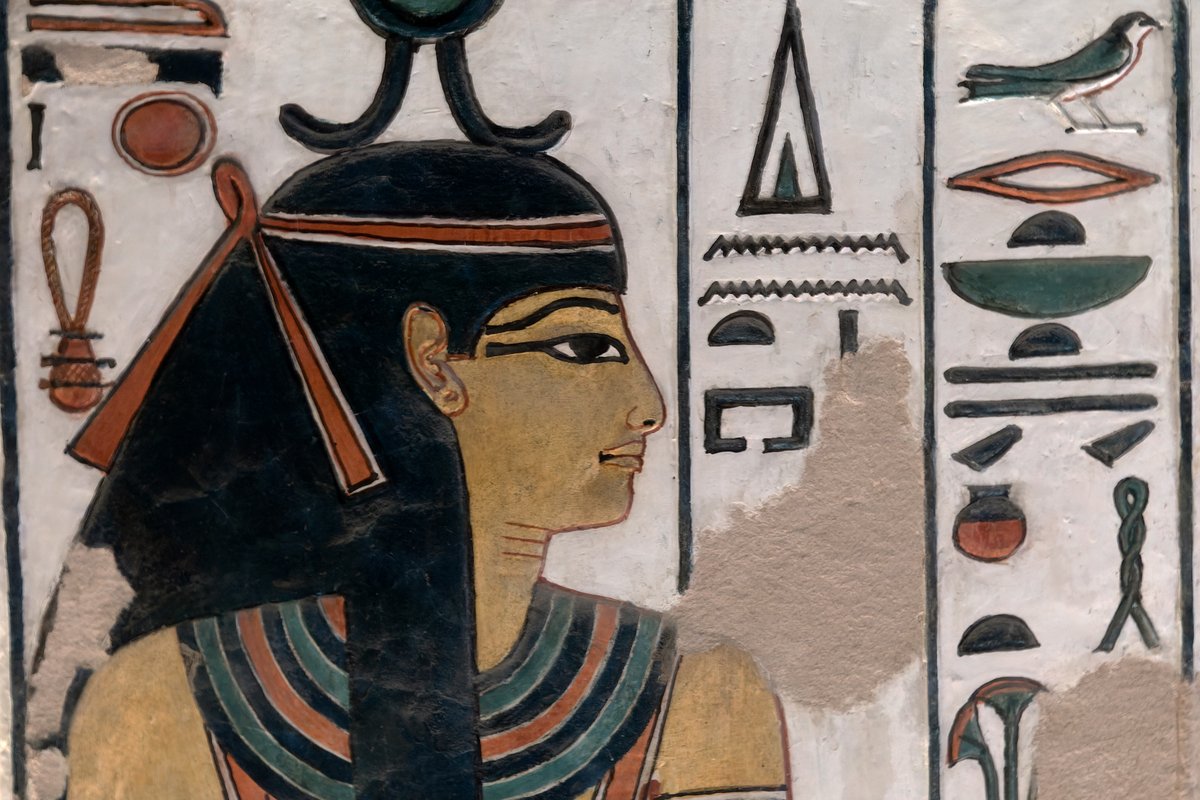
Archaeologists announced Tuesday that a set of sealed clay tablets unearthed at a predynastic burial site in Upper Egypt proves a woman ruled as pharaoh more than a thousand years before Nefertiti or Cleopatra. The seals, bearing a cartouche that reads “Maatkare,” were found at Abydos and date to the Naqada III period, around 3200 BCE. The discovery challenges the long‑standing view that Egypt’s earliest monarchs were exclusively male.
The find comes after a decade of renewed excavations in the Abydos region, spurred by advances in imaging technology that allow researchers to read heavily corroded artifacts without damaging them. Scholars have long suspected that women held power in early Egypt, but no contemporary royal inscription had ever confirmed a female sovereign at that stage. The seals were discovered by a team led by Dr. Laila Hassan of the Egyptian Ministry of Antiquities, who said the cartouche matches the style of other Naqada III royal names, confirming its authenticity.
The seals show Maatkare’s name alongside the traditional symbols of kingship: the double crown and the scepter. “This is the first unequivocal evidence of a female pharaoh in the predynastic era,” said Professor James Whitaker of Cambridge University, who specializes in early Egyptian state formation. He added that the name, which means “Truth is the Soul of Ra,” suggests the ruler was presented as a divine figure, just as later kings were. The discovery also forces a rethink of the social hierarchy of the time, indicating that women could ascend to the highest office much earlier than previously thought.
Researchers plan to re‑examine other artifacts from the same layer for signs of Maatkare’s reign. A detailed study of the seals will be published in the upcoming issue of *Journal of Egyptian Archaeology*. If further evidence emerges, textbooks may need to be revised to include Egypt’s first female king alongside the more famous later queens. The find promises to reshape our understanding of gender and power in the cradle of civilization.
Read Full Story at Scientific American →