Apple ‘in negotiations’ with two banned Chinese RAM firms after price increases
Apple reportedly wants to buy Chinese RAM for its products from not one but two different firms. The move would likely require permission from the United States government.
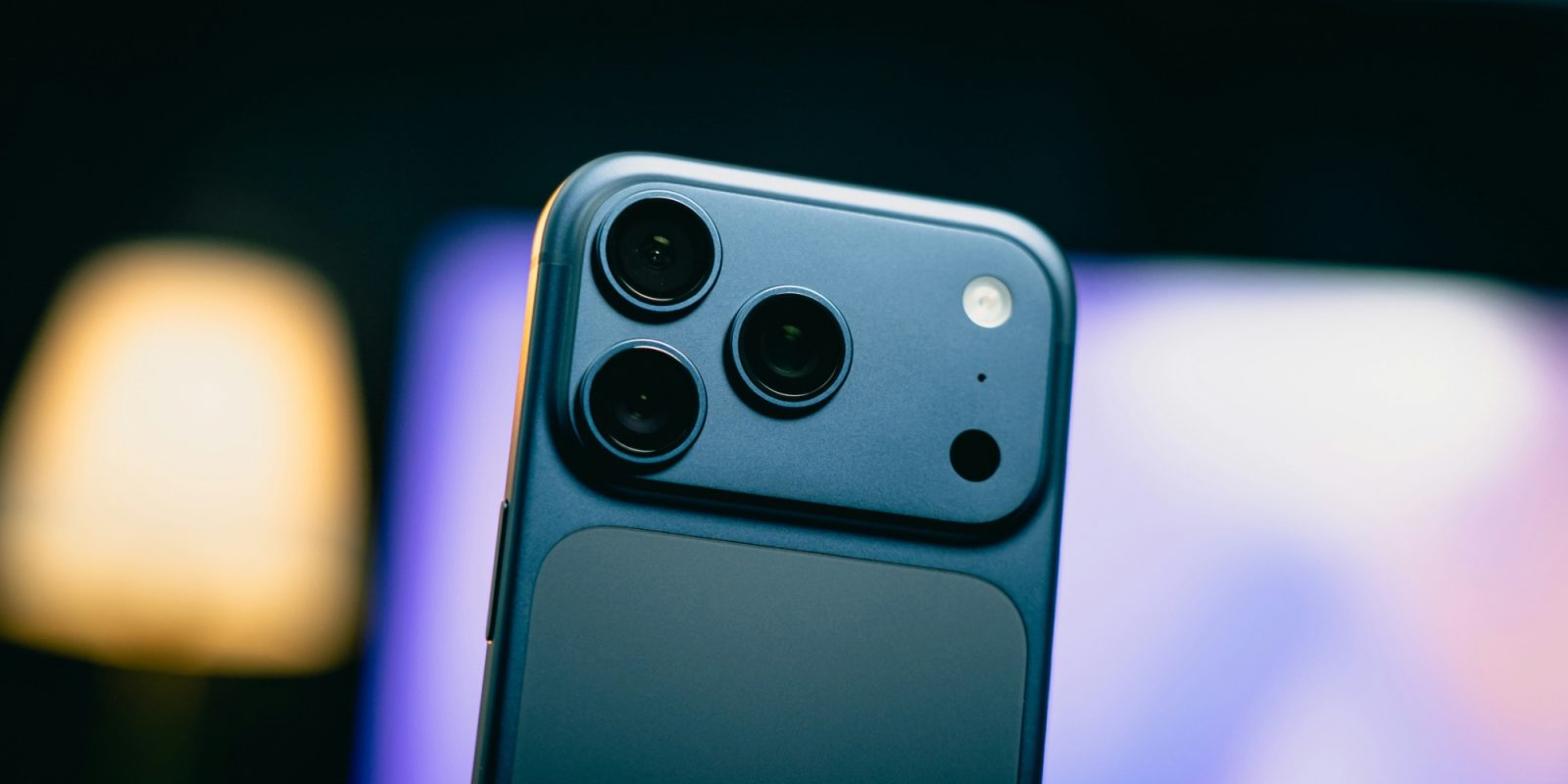
Apple reportedly wants to buy Chinese RAM for its products from not one but two different firms. The move would likely require permission from the Uni
Read Full Story at 9to5Mac →Why This Matters
The potential resumption of RAM sourcing from Chinese suppliers highlights Apple’s delicate balancing act between cost efficiency and geopolitical risk. If successful, this move could signal a shift in how global tech giants navigate U.S.-China trade barriers, testing the limits of semiconductor decoupling amid rising domestic production incentives.
Background Context
In recent years, U.S. export controls have targeted Chinese semiconductor firms, including those involved in memory chips, forcing Apple to rely more heavily on domestic or allied suppliers. The ban on these firms stemmed from national security concerns, but their exclusion has contributed to supply chain bottlenecks and price volatility in the RAM market.
What Happens Next
Approval from U.S. regulators would likely hinge on strict safeguards, such as end-use verification or technology sharing restrictions. If granted, Apple’s decision could trigger a ripple effect, encouraging other tech companies to explore similar arrangements while forcing policymakers to clarify the boundaries of semiconductor trade policies.
Bigger Picture
This development reflects the broader challenge of decoupling from China in critical tech sectors without ceding economic leverage. As nations tighten semiconductor controls, supply chains are fragmenting, creating opportunities for alternative players but also exposing vulnerabilities in global manufacturing networks.