AI boosts IVF success rates with 81.5% embryo selection accuracy
AI improves IVF success rates by selecting the best sperm and embryos using advanced algorithms, with studies showing 81.5% prediction accuracy versus 51% for humans. However, this raises ethical conc
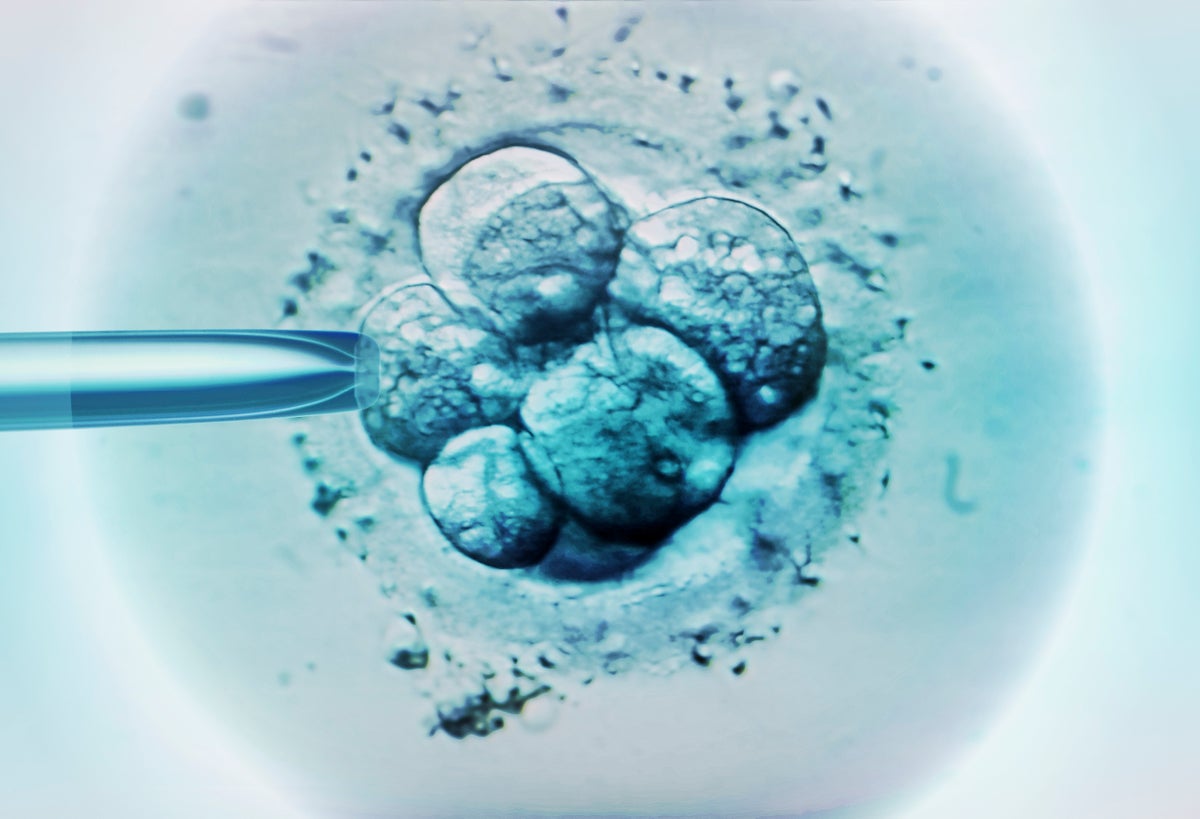
Some IVF clinics are now using AI to pick the best sperm and embryos, hoping to push pregnancy success rates higher. The move comes as the $20 billion
Read Full Story at Scientific American →Why This Matters
The integration of AI into reproductive medicine signals a paradigm shift in how life begins—a transition from chance to precision. If validated at scale, this technology could democratize access to parenthood by reducing the emotional and financial toll of failed cycles, while forcing a reckoning with long-held norms around human procreation. The stakes extend beyond biology; they challenge the very definition of medical success in an era where data outpaces ethics.
Background Context
IVF success rates have plateaued at around 30% per cycle for decades, with embryo selection relying on subjective visual grading that varies widely between clinics. The shift toward AI-driven selection began quietly in the late 2010s, but only now are large-scale validation studies emerging, fueled by breakthroughs in deep learning and the proliferation of high-resolution embryo imaging. Meanwhile, reproductive endocrinologists remain divided—some embrace AI as a tool to reduce subjectivity, while others warn it risks reducing human embryos to algorithmic data points.
What Happens Next
Regulatory scrutiny will intensify as AI tools prove their mettle, with agencies like the FDA and EMA likely to demand transparency in how embryos are ranked—particularly when algorithms prioritize certain genetic markers over others. Clinics may face ethical dilemmas as AI recommendations clash with patient preferences, while insurers could use predictive accuracy data to limit coverage for "low-probability" cases. Expect a surge in hybrid clinics blending AI with traditional methods, alongside pushback from ethicists demanding oversight of selection criteria.
Bigger Picture
This is part of a broader convergence where AI is redefining human reproduction, from sperm selection to gene editing, raising questions about the commodification of conception. As these tools become commercially viable, they will likely widen the gap between elite fertility clinics and those serving marginalized communities, unless cost barriers are addressed. The trend also reflects a cultural shift toward data-driven parenthood, where the unpredictability of biology is gradually yielding to algorithmic control.